みなさんは、日本の駆逐艦「雷(いかづち)」が、第二次世界大戦中のスラバヤ沖海戦で撃沈されたイギリス艦隊の兵士たちを救助した話をご存じでしょうか?
Did you know that there is a story about the Japanese destroyer “Ikazuchi” rescuing soldiers from the British fleet that was sunk in the Battle of the Java Sea during World War II?
この出来事は1942年3月2日に起こりました。日本海軍と連合国軍の間で激しいスラバヤ沖海戦が行われ、イギリスの重巡洋艦「エクセター」と駆逐艦「エンカウンター」などが沈没しました。その結果、多数のイギリス兵が海に投げ出され、長時間漂流していました。
This event occurred on March 2, 1942. The fierce Battle of the Java Sea took place between the Japanese Navy and Allied forces, resulting in the sinking of the British heavy cruiser HMS Exeter and the destroyer HMS Encounter, among others. As a result, many British soldiers were thrown into the sea and drifted for a long time.
敵兵を救助せよ/Rescue the enemy!

そこに、たまたま別の任務で近くにいた日本の駆逐艦「雷」が通りかかり、工藤俊作艦長は、漂流している多数のイギリス兵を発見しました。当時、敵国の兵士を救助することは極めて異例であり、また、潜水艦の攻撃を受ける危険性も伴う非常に危険な行為でした。しかし、工藤艦長は「敵兵を救助せよ!」と命令し、駆逐艦「雷」は救難活動中の国際信号旗を掲げ、イギリス兵の救助にあたりました。
It happened that the Japanese destroyer “Ikazuchi,” which was nearby on another mission, passed by and Captain Shunsaku Kudo discovered a large number of British soldiers adrift. At the time, rescuing enemy soldiers was extremely unusual, and it was also a very dangerous act involving the risk of submarine attack. However, Captain Kudo ordered, “Rescue the enemy soldiers!” and the destroyer “Ikazuchi” raised an international signal flag indicating a rescue operation and began rescuing the British soldiers.
「雷」の乗組員たちは、重油で汚れたイギリス兵たちを懸命に引き上げ、中には自ら海に飛び込んで救助する者もいました。その数は、「雷」の乗組員約220名に対し、実に422名にも上りました。救助された兵士たちは、重油をアルコールで拭き取られ、清潔な衣服と貴重な水や食料を与えられました。
The crew of the “Ikazuchi” worked tirelessly to pull the oil-covered British soldiers from the sea, some even diving in to help with the rescue. The number of rescued soldiers totaled 422, far exceeding the “Ikazuchi’s” crew of approximately 220. The rescued soldiers had the oil wiped off with alcohol and were given clean clothes, as well as precious water and food.
海の武士道/Bushido of the Sea
工藤艦長は救助されたイギリス海軍士官たちに対し、流暢な英語で「諸官は勇敢に戦われた。いまや諸官は日本海軍の名誉あるゲストである」とスピーチしたと言われています。
It is said that Captain Kudo gave a speech in fluent English to the rescued British naval officers, saying, “Gentlemen, you fought bravely. Now you are honored guests of the Japanese Navy.”
この救助劇は、戦後長らく公にはされていませんでしたが、救助されたイギリス海軍士官の一人であるサムエル・フォール卿が、工藤艦長への感謝の念を忘れず、この事実を世に広めたことで知られるようになりました。フォール卿は、この出来事を「海の武士道」として高く評価し、国際的にも感動を与えました。
This rescue operation was not publicly known for many years after the war. However, it became known because Sir Samuel Falle, one of the rescued British naval officers, never forgot his gratitude to Captain Kudo and spread the word about what happened. Sir Falle highly praised this event as “the Bushido of the Sea,” which caused international admiration.
この話は、戦時下における人道的な行いとして、日本が世界に誇るべき美談の一つとして語り継がれています。
This story is passed down as one of Japan’s most beautiful tales, a humanitarian act during wartime that Japan should be proud of on the world stage.
空の武士道/Bushido in the Sky
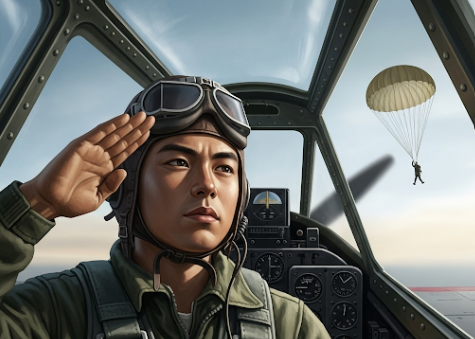
世界大戦当時の日本兵の戦い方については多数の美談が残っています。そのひとつとして、米国の戦闘機と空中戦で戦ったゼロ戦は、敵機グラマンを撃墜した後、パラシュートで落下する敵パイロットの近くを周回し、敬礼で無事を祈り飛び去ったそうです。当時の日本軍には、戦闘能力を失った敵兵に対して絶対に殺傷してはならないという厳しい訓示があったのです。
Many heroic tales remain about how Japanese soldiers fought during the World War. One such story tells of a Zero fighter plane in aerial combat with an American fighter, shooting down the enemy Grumman. After the crash, the Zero circled the enemy pilot as he parachuted down, saluted to wish him safety, and then flew away. In the Japanese military at that time, there was a strict order that enemy soldiers who had lost their ability to fight must never be killed.
また、日本兵による敵兵捕虜の取り扱いについても、国際法のルールを厳守することが訓示されていたと聞きます。私たちの少し前の時代まで、日本古来の武士道精神が脈々と生きていたということに深い感銘を受けます。
I have heard that instructions were given to strictly adhere to international law regarding the treatment of enemy prisoners of war by Japanese soldiers. I am deeply impressed by the fact that the ancient Japanese Bushido spirit was alive and well until just before our time.