豊かさは「余白」にあった/Abundance was in “white space”.
私たちは往々にして、何かを「足す」ことで豊かさや満足を得ようとします。より多くの情報、より豪華な装飾、より広い空間。しかし、日本の文化には、それとは対極にある独特の美学が深く根付いています。それが「引き算の美学」です。
We often try to gain abundance and satisfaction by “adding” something. More information, more lavish decorations, more space. However, Japanese culture has a unique aesthetic deeply rooted in the opposite of that. It is the “aesthetics of subtraction.”
この美学は、無駄を削ぎ落とし、究極のシンプルさを追求することで、かえって本質的な美しさや意味を際立たせるという思想です。単に「減らす」ことにとどまらず、そこから生まれる「余白」にこそ、無限の可能性と精神的な豊かさを見出します。
This aesthetic is a philosophy that, by eliminating waste and pursuing ultimate simplicity, paradoxically highlights essential beauty and meaning. It’s not just about “reducing,” but about finding infinite possibilities and spiritual richness in the “space” that emerges from it.
空間が映える「引き算」/”Subtraction” that makes space stand out
日本の伝統的な建築は、この「引き算の美学」の好例です。例えば、茶室は、必要最小限の要素だけで構成されます。豪華な装飾や広々とした空間はそこにはありません。しかし、その研ぎ澄まされた空間だからこそ、亭主と客、そして一碗の茶という、その瞬間の本質的な交流が浮き彫りになります。限られた空間に集中することで、心の内に広がる無限の宇宙を感じさせるのです。
Traditional Japanese architecture is a prime example of this “beauty of subtraction.” For instance, a tea room is composed of only the bare essentials. There are no lavish decorations or spacious areas. However, it is precisely because of this refined space that the essential interaction of the host and guest, and a bowl of tea, in that moment is highlighted. By concentrating on the limited space, it evokes a sense of an infinite universe expanding within the heart.
また、日本庭園、特に枯山水は、水を使わずに石や砂で水流や山を表現します。自然の要素を象徴的に配置し、見る者の想像力に委ねることで、広大な風景が心の中に広がります。ここでも、詳細な再現ではなく「引き算」がなされることで、より深い感銘が生まれるのです。
Additionally, Japanese gardens, especially dry landscape gardens (karesansui), use rocks and sand to represent water currents and mountains without using water. By symbolically arranging natural elements and entrusting it to the viewer’s imagination, a vast landscape spreads within the heart. Here too, a deeper impression is created by “subtraction” rather than detailed reproduction.
空間が意味を与える日本の芸術/Japanese art where space gives meaning
「引き算の美学」は、空間にとどまらず、日本の様々な芸術表現にも現れています。水墨画は、黒一色の墨と広大な「余白」で世界を描きます。余白には、描かれていないものが示唆され、見る者に静寂や広がり、そして無限の奥行きを感じさせます。また、生け花は、たくさんの花を飾るのではなく、厳選された数本の花や枝を配置し、その間の空間や調和を大切にします。素材そのものの美しさを最大限に引き出し、そこに「間」を生み出すことで、見る者に深い感動を与えます。
The aesthetic of “subtraction” appears not only in spatial design but also in various Japanese artistic expressions. Ink wash painting depicts the world with monochrome ink and vast “blank space.” The blank space suggests what is not depicted, allowing the viewer to feel silence, expanse, and infinite depth. Also, ikebana (flower arrangement) does not decorate with many flowers, but arranges a carefully selected number of flowers and branches, valuing the space and harmony between them. By maximizing the beauty of the materials themselves and creating “space” there, it gives the viewer a deep sense of emotion.
そして、俳句は、わずか五七五の音数に、広大な情景や奥深い感情を凝縮します。言葉を「引き算」することで、読み手の想像力を刺激し、行間から無限の意味を読み取ることを可能にします。
Haiku condenses vast landscapes and profound emotions into a mere seventeen syllables. By “subtracting” words, it stimulates the reader’s imagination and allows them to read infinite meanings between the lines.
この「引き算の美学」は、私たちの日常生活にも影響を与えています。例えば、「もったいない」という精神は、必要以上のものを求めず、あるものを大切に使うという「引き算」の価値観に基づいています。また、無駄を排除し、機能性と美しさを追求するミニマリズムは、現代のデザインにおいても世界的に注目されており、そのルーツには日本の「引き算の美学」が深く関わっています。
This “subtraction aesthetics” also influences our daily lives. For example, the spirit of “mottainai” (avoiding wastefulness) is based on the value of “subtraction,” which means not seeking more than necessary and cherishing what we have. In addition, minimalism, which eliminates waste and pursues functionality and beauty, is attracting global attention in modern design, and the Japanese “subtraction aesthetics” is deeply involved in its roots.
「足す」ことからの解放/Freedom from “adding”
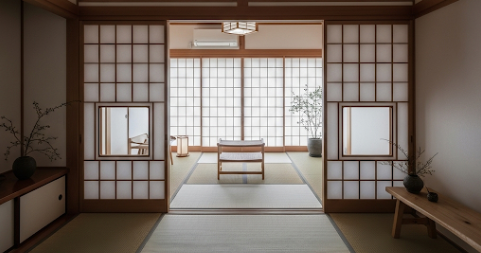
「引き算の美学」は、私たちに新しい豊かさの視点を与えてくれます。それは、物質的な充足だけでなく、精神的なゆとりや、本質を見抜く洞察力を育むものです。情報やモノが溢れる現代において、あえて「引く」ことによって見えてくるもの、そして「余白」から生まれる想像力や心の広がりは、私たちに真の豊かさとは何かを問いかけているのかもしれません。
This “subtractive aesthetic” also influences our daily lives. For example, the spirit of “mottainai” (a sense of regret over waste) is based on the value of “subtraction,” which means not seeking more than necessary and cherishing what we have. Minimalism, which eliminates waste and pursues functionality and beauty, is also attracting worldwide attention in modern design, and the Japanese “subtractive aesthetic” is deeply involved in its roots.