文明発展の主役/Leading role in the development of civilization
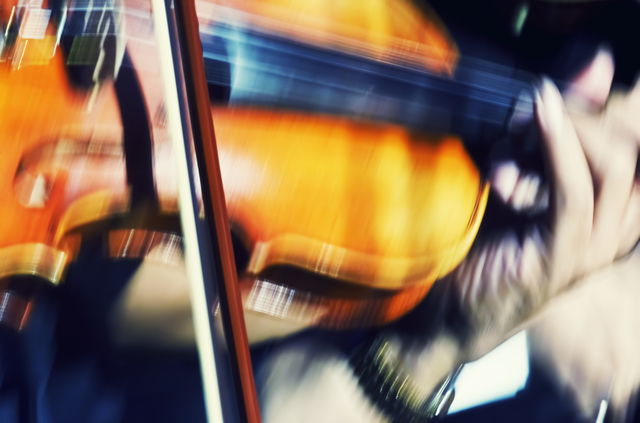
ヴァイオリニストやピアニスト、そしてギタリストなどが繰り出す超技巧のテクニック。私は彼らの演奏に感動し、「人間の手は神が人間に与えた最も貴重な贈り物」という言葉を思い出します。見事な独奏者の技、これらは、まさに「神業」と言えます。
Virtuoso techniques unleashed by violinists, pianists, and guitarists. I am moved by their performances, and I am reminded of the saying, “The human hand is the most precious gift God has given to humans.” The skills of a brilliant soloist, these can truly be called “divine feats.”
人間の指先は、訓練を重ねるほど、脳の血流が増加するとも聞いたことがあります。そして指先と脳の緊密な関係が人類の進歩となって、現代に至っています。人間は脳と手指の連携がうまくいったことで、他動物の頂点に立つことができたのです。
I’ve heard that the more human fingertips are trained, the more blood flow increases in the brain. This close relationship between fingertips and the brain has led to human progress and continues to this day. It can be said that humans have been able to stand at the top of other animals because of the successful cooperation between the brain and fingers.
脳と指の関係から生まれた技術は膨大な量に達し、人間は現在の文明の領域に到達しました。人類の文明史を現時点まで牽引してきたのは、他動物が真似できない手指の器用さと、そこから生み出された無数の工業製品でした。
Technology born from the relationship between the brain and fingers has reached an enormous amount, and humans have reached the realm of current civilization. What has driven humanity’s history of civilization to this point is the dexterity of fingers that other animals cannot imitate, and the countless industrial products that have been created from it.
脳で閃いたイメージは指先に伝えられ、芸術作品へと昇華されました。脳は無数の物語を創造し、それらは文字となって宗教や思想、哲学を記録しました。「人間の手」は、まさに「神からの貴重な贈り物」であり、人類文明発展の最大の主役と言えます。
The image that flashed in the brain was conveyed to the fingertips and sublimated into a work of art. The brain created countless stories, which were recorded as letters, forming religions, ideologies, and philosophies. The “human hand” is truly a “precious gift from God” and can be said to be the greatest protagonist in the development of human civilization.
手が伝えるもの/What the Hand Tells Us
脳と密接に連動しているのが指先だと言えるでしょう。脳~頚~肩~腕~掌(てのひら)~指先へと神経の回路が繋がっています。素晴らしい仕事をする職人さんを「腕がいい」と言います。また「腕が鳴る」とは手応えや意欲、自信があることを意味しています。どうやら人間の抱く「自信や誇り」など精神面での支えも、この回路から生まれているようです。
It can be said that the fingertips are closely linked to the brain. A neural circuit connects the brain to the neck, shoulders, arms, palms, and fingertips. We say that a craftsman who does a wonderful job has “good arms.” Also, “my arms are itching” means having a response, motivation, or confidence. It seems that the mental support that humans have, such as “confidence and pride,” is also born from this circuit.
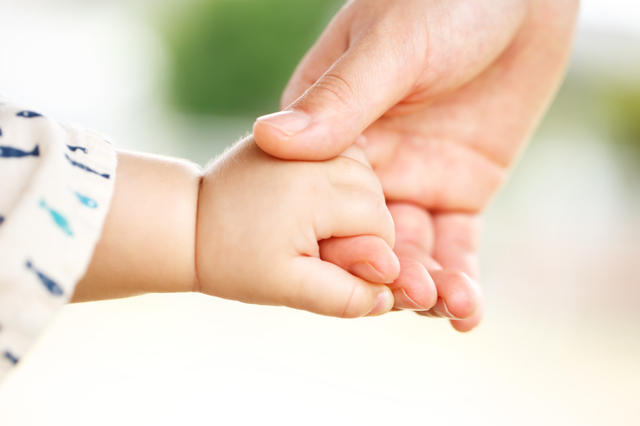
足の速い人も、足だけで走ることはできません。腕がうまい具合にバランスをとっているからこそ速く走ることができるのです。また、手のひらには他者を癒す力もあるようです。泣き叫ぶ幼児を落ち着かせるのは母親の手のひらです。子供は母親の手が摩ることで腹痛や頭痛が和らぐことがあります。母親と手をつないで歩く子供の姿は、安心と信頼の象徴のようです。
Even the fastest runners can’t run with just their legs. They can run fast because their arms are balancing them so well. Also, it seems that the palms of our hands have the power to heal others. It is the mother’s palm that calms a crying and screaming infant. Children’s stomachaches and headaches can be relieved by their mother’s touch. The sight of a child walking hand-in-hand with their mother seems to be a symbol of security and trust.
「手当」という言葉は、給料や報酬以外に、医者が患者の患部に手を当てて、治癒するという意味もあります。そして握手は人間同士の信頼関係を深めます。そう考えると、手は人から人へと感情や「気」を通わせる通路でもあるのですね。
The word “teate” (手当) has a meaning of healing by a doctor placing their hand on the affected area of a patient, in addition to salary and compensation. And a handshake deepens the relationship of trust between people. When you think about it, the hand is also a passage that allows emotions and “ki” (energy) to pass from person to person.
オタク文化/Otaku Culture
日本人は器用な人が多い。「器用貧乏」という不名誉な言葉もありますが、日本人はこの言葉を謙遜を込めて使います。確かに手先が器用な人はあまり金儲けは上手くないような気がします。日本人にとって「器用貧乏」という言葉は自虐的なものではなく、その裏には日本人独自の誇りや満足感のようなものが存在します。何かに打ち込んでいて、自分の生き方を貫こうと思っている人は「器用貧乏」でまったく構わないと思っているのです。むしろそんな自分が好きなのです。
Many Japanese people are skillful. There’s even the unfortunate term “jack of all trades, master of none,” but Japanese people use this word with humility. It’s true that people who are skilled with their hands don’t seem to be very good at making money. For Japanese people, the word “jack of all trades, master of none” is not self-deprecating; behind it lies a unique sense of pride and satisfaction. People who are dedicated to something and trying to live their lives to the fullest don’t mind being a “jack of all trades, master of none” at all. In fact, they like themselves that way.
日本では「オタク」という言葉も、むしろ俗世の生活や雑事に無頓着な、何かを生み出す貴重な存在と見られます。多分、日本には多数のオタクがいて、ある日突然、物凄い何かが生まれるのです。考えてみれば職人や匠の技と言われる人々もオタクのようなものです。日本には昔から「オタク文化」が根付いていて、それを容認し、期待する心情があるようです。
In Japan, the word “otaku” is actually seen as a valuable existence that creates something, indifferent to the mundane world and trivial matters. Perhaps there are many otaku in Japan, and one day, something amazing will suddenly be born. When you think about it, people with artisan or master craftsmanship skills are also like otaku. It seems that Japan has a “otaku culture” rooted in its history, and there is a sentiment of accepting and expecting it.
精神貴族/Spiritual Aristocrat
最近読んだ本に、マリアナ・マッツカート氏の「国家の逆襲」があります。その中に「創造と抜き取り」という内容があり、資本主義社会の不公平を描いていました。頭脳の部分担当する人々と、それを現場で創造・生産する人々、そしてそれらを抜き取って大儲けする人々が資本主義を構成しているという内容です。
In a book I recently read, Mariana Mazzucato’s “The State Strikes Back,” there is a section called “Creation and Extraction” that depicts the unfairness of capitalist society. It describes how capitalism is structured by those who handle the intellectual aspects, those who create and produce on-site, and those who extract value and make huge profits.
確かに資本主義の実態はマッツカート氏の仰る通りかもしれません。現場で創造・生産するのが日本人です。しかし例えこのような実態を日本人が知ったとしても、日本人は怒り狂うことはありません。所詮、金儲けだけに奔走する人たちと日本人は全く価値観が違うのです。
Indeed, the reality of capitalism may be as Ms. Mazzucato says. It is the Japanese who create and produce on the ground. However, even if the Japanese were to learn of this reality, they would not be enraged. After all, the Japanese have completely different values from those who are solely focused on making money.
日本人は資本家や金持ちを過剰に憧れることはありません。成金については、むしろ軽蔑される存在です。日本人は資本主義の価値を認めつつ、精神的には、その外の世界で生きていると言えます。
Japanese people do not excessively admire capitalists or the wealthy. Nouveau riche individuals are, in fact, often looked down upon. While Japanese people acknowledge the value of capitalism, they can be said to live, in spirit, outside of it.
日本人は「金儲け」が嫌い、というと噓になります。しかし少なくとも自分の腕を磨くことを優先し、技術や能力を高めようとする人が多いことは確かです。金儲けは卑しい行為とすら考える日本人もいます。このような日本人の生き方は、倫理、道徳を重んじ、和の心を生み出し、それらが品性を伴うものとなりました。
It would be a lie to say that Japanese people dislike making money. However, it is certainly true that many people prioritize honing their skills and trying to improve their techniques and abilities. Some Japanese people even consider making money to be a base act. This way of life for the Japanese, which values ethics and morality and creates a spirit of harmony, has come to be accompanied by dignity.
欧米や中国などの価値観では、技術者や物を作る人々は、底辺の貧しい存在でした。しかし江戸末期に日本を訪れた欧米人は、貧しいと思っていた日本人の清潔さや屈託のなさを見て「日本人は精神貴族だ」と語っていたそうです。
In Western countries and China, engineers and those who make things were considered to be poor and of low status. However, Westerners who visited Japan in the late Edo period, observing the cleanliness and carefree nature of the Japanese people whom they had expected to be poor, reportedly said, “The Japanese are spiritual aristocrats.”
日本人が届けたいもの/What the Japanese want to deliver
「手は神からの貴重な贈り物」。器用な日本人は無意識の内に、自分たちは神の恩恵を受けていると感じている。八百万の神は、日本中に溢れている。つまり自分たちは、どの民族よりも神に愛されていると感じている。これ以上の幸せはないと信じているのが日本人です。
”Hands are a precious gift from God.” Skilled Japanese people unconsciously feel that they are blessed by God. Eight million gods overflow throughout Japan. In other words, they feel they are more loved by God than any other ethnicity. The Japanese believe there is no greater happiness than this.
先述の「頭脳の部分と、抜き取って大儲けする」のは、主に欧米人や中国人です。日本人は心ひそかに彼らのことを、いつまでも進歩しない人々と思っている。彼らは争いを止めることなく、永遠に対立し合う存在と憐れんでいるのです。彼らが日本人の心境に到達するには長い時がかかるだろうと静かに感じているのです。
The “brain extraction and making a fortune” mentioned earlier is mainly done by Europeans and Americans, and Chinese. The Japanese secretly think of them as people who will never progress. They pity them as beings who never stop fighting and are forever in conflict with each other. They quietly feel that it will take a long time for them to reach the Japanese state of mind.
さらに日本人には、人類の進歩を支えているという自負心もあるのです。そして日本人は子供たちや未来に相続させるものは、金や物質的財産ではなく、技術とそこに宿る魂や精神だと考えているのです。それらはすべて神から与えられた「手」から始まっているのです。そして日本人は両手を合わせることによって、神と語り合い感謝を捧げるのです。
Furthermore, the Japanese also have a sense of pride in supporting the progress of humanity. And the Japanese believe that what they pass on to their children and the future is not money or material wealth, but technology and the soul and spirit that dwells within it. All of these begin with the “hand” given by God. And the Japanese speak to God and offer gratitude by putting their hands together.
日本人は、与えられたこの「手」によって、技を磨き、魂を伝え、未来を紡いでいきます。両の手を合わせるその姿にこそ、人と神とが静かにつながる奇跡が宿っています。手はただの道具ではなく、記憶であり、願いであり、そして祈りなのです。私たちはこの手を通して、世界に美しさと調和を届けていきたいと願っています。
The Japanese people use these given hands to hone their skills, convey their spirit, and weave the future. In the act of bringing their hands together, there lies a miracle where people and gods quietly connect. Hands are not merely tools, but memories, wishes, and prayers. Through these hands, we hope to deliver beauty and harmony to the world.