制裁の逆作用/Backlash from sanctions
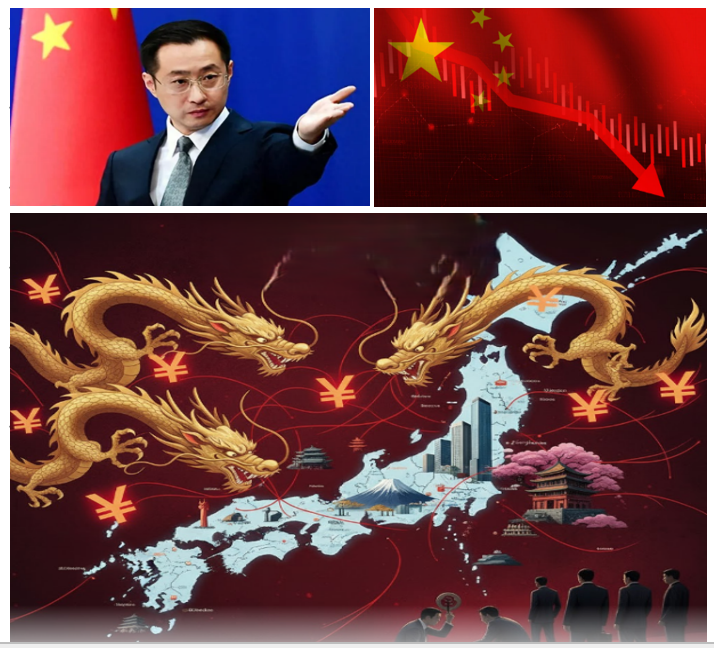
国際関係において経済制裁は、相手国の行動を抑制するための強力な手段とされてきました。しかし、中国が日本に対して行った制裁は、逆に自らを傷つける結果を招きました。これは、「依存関係の非対称性」、つまり特定の関係の中で一方がもう一方よりも優位に立つ状態が明らかになり、その力関係がある瞬間に完全に逆転した典型的な例です。
In international relations, economic sanctions have been considered a powerful tool for restraining the behavior of other countries. However, the sanctions that China imposed on Japan ironically resulted in self-inflicted harm. This is a classic example of how “asymmetric interdependence,” that is, a situation in a specific relationship where one party is more dominant than the other, can have its power dynamic completely reversed in an instant.
日本の技術や素材に依存していた中国は、制裁によって自国産業の停滞を招き、国際市場での競争力を失いました。制裁は相手を弱らせるどころか、自らの基盤を揺るがす「逆作用」として働いたのです。「逆作用」が特に顕著になったのは、高市早苗新首相の誕生以降です。日本は、指導者の交代という要素が歴史的な大規模転換につながる事例を世界に示しました。
China, which had been dependent on Japanese technology and materials, faced stagnation in its own industries and lost its competitiveness in the international market due to the sanctions. Rather than weakening the target, the sanctions acted as a “reverse effect,” shaking its own foundations. This “reverse effect” became particularly pronounced after the birth of the new Prime Minister, Sanae Takaichi. Japan has shown the world an example of how a change in leadership can lead to a historical large-scale transformation.
このように、経済制裁が必ずしも一方的な効果を生むわけではなく、むしろ「依存関係の網の目」の中で複雑に作用することが明らかになりました。中国が日本に対してとった措置は、自国の産業や国際的な立場の脆弱性を露呈させる結果となり、国際社会において「力による制御」よりも「信頼と協調」が重視される環境を加速させました。
Thus, it has become clear that economic sanctions do not necessarily produce unilateral effects, but rather operate in complex ways within a “web of interdependence.” The measures taken by China against Japan resulted in exposing the vulnerabilities of its own industries and international standing, accelerating an environment in the international community where “trust and cooperation” are valued more than “control by force.”
日本はこの状況を逆手にとり、独自の技術力やサプライチェーンの多様化を進めることで、国際的な評価と信頼を獲得しました。結果として、制裁がもたらしたのは単なる対立ではなく、各国が「信頼」や「自立性」の価値を再認識する契機となったと言えるでしょう。
Japan has used this situation to its advantage, advancing its unique technological capabilities and diversifying its supply chains, thereby gaining international recognition and trust. As a result, the sanctions have not simply led to confrontation, but have rather provided an opportunity for each country to reaffirm the values of “trust” and “autonomy.”
信頼の国際的価値/Trust’s International Value
国際社会は、力による圧力よりも「信頼」を基盤とする関係を重視します。中国の強硬姿勢は「経済を政治利用する」という不信を招き、欧米諸国やアジア諸国は中国依存を減らす方向へ動きました。一方、日本は「信頼できる技術供給国」として評価を高め、国際的な立場を強化しました。ここに見えるのは、武士道が説く「信義は力に勝る」という原理が、現代の国際関係においても有効であるという事実です。
The international community values relationships based on “trust” rather than pressure through force. China’s hardline stance has invited distrust by “using the economy for political purposes,” leading Western and Asian countries to reduce their dependence on China. On the other hand, Japan has enhanced its international standing by increasing its evaluation as a “reliable technology supplier.” What we see here is the fact that the principle of “trustworthiness outweighs force,” as advocated by Bushido, is also effective in modern international relations.
このような国際的な信頼の高まりは、日本にとって新たな外交資産となりました。技術力や誠実な供給体制は、各国との協調関係を強化し、国際経済の安定にも寄与しています。日本は、自立性と信頼を両立させることで、その存在感を一層高めており、国際社会からの支持やパートナーシップの拡大を実現しています。結果として、日本の選択が世界の流れを変え、「信頼に基づく秩序形成」のモデルとなりつつあるのです。
This growing international trust has become a new diplomatic asset for Japan. Its technological capabilities and reliable supply system are strengthening cooperative relationships with various countries and contributing to the stability of the international economy. By balancing independence and trustworthiness, Japan is further enhancing its presence and realizing greater support and partnerships from the international community. As a result, Japan’s choices are changing the course of the world, and it is becoming a model for “trust-based order formation.”
中国国内への波及効果/Domestic ripple effects in China
制裁は中国国内国内経済にも深刻な影響を与えました。輸入制限や供給停滞は雇用を失わせ、地方都市や中小企業に打撃を与えました。経済成長を最優先にしてきた中国政府にとって、これは大きな誤算でした。国際関係論的に見れば、外向けの強硬政策が内政の安定を揺るがす「二重の逆作用」が生じたと言えます。
The sanctions have had a serious impact on the domestic economy. Import restrictions and supply stagnation have led to job losses, hitting local cities and small and medium-sized enterprises. This was a major miscalculation for the Chinese government, which has made economic growth its top priority. From an international relations perspective, it can be said that a “double adverse effect” has occurred, in which outward-facing assertive policies undermine domestic stability.
このような状況下で、中国国内では政府への信頼が揺らぎ、社会不安や消費マインドの低下が顕著となりました。特に、経済活動の停滞による所得減少や生活不安は、若年層から中高年層にまで広がり、国民の間に将来への不透明感をもたらしました。
In this situation, trust in the government has wavered within China, and social unrest and a decline in consumer confidence have become prominent. In particular, the decline in income and anxiety about life due to the stagnation of economic activity have spread from young people to middle-aged and older people, creating uncertainty about the future among the people.
また、地方自治体の財政悪化や企業倒産の増加は、地域経済の分断を加速させ、中央政府の統治力にも影響を及ぼしています。こうした連鎖的な影響は、単なる経済的損失にとどまらず、社会全体の活力や結束力の低下をも意味しており、結果として国家全体の安定基盤を揺るがす深刻な問題となっています。
Furthermore, the deterioration of local government finances and the increase in corporate bankruptcies are accelerating the fragmentation of regional economies, which is also affecting the central government’s governance. These cascading effects are not limited to mere economic losses, but also signify a decline in the vitality and solidarity of society as a whole, and as a result, pose a serious problem that threatens the stability of the entire nation.
日本の技術力と自立性/Japan’s technological capabilities and self-reliance
日本は制裁を受けても屈せず、独自の技術力や他国との協力で不足分を補いました。これは「技術的自立性」が国際関係における安全保障の基盤であることを示しています。制裁を契機に日本は中国依存を減らし、むしろ国際的な信頼を強化しました。ここに「危機を契機に強さを増す」という逆説的な力学が働いています。
Despite facing sanctions, Japan did not yield, but compensated for its deficiencies through its own technological capabilities and cooperation with other countries. This demonstrates that “technological independence” is the foundation of security in international relations. Triggered by the sanctions, Japan reduced its dependence on China and rather strengthened international trust. Here, a paradoxical dynamic is at play: “increasing strength through crisis.”
さらに、日本国内ではこの技術的自立性の追求が産業全体のイノベーションを促進し、サプライチェーンの多元化や新規分野への進出を後押ししました。政府と民間が一体となって研究開発投資を強化し、スタートアップ企業や中小企業もグローバル市場への参入機会を拡大しています。こうした動きは単なる危機対応にとどまらず、持続可能な成長と国際競争力の源泉となり、日本の経済安全保障戦略に新たな地平を切り拓いています。
Furthermore, in Japan, this pursuit of technological independence has spurred innovation across the entire industry, promoting diversification of supply chains and entry into new fields. The government and private sector have worked together to strengthen investment in research and development, and startup companies and small and medium-sized enterprises are also expanding their opportunities to enter the global market. These movements are not limited to mere crisis response, but serve as a source of sustainable growth and international competitiveness, opening new horizons for Japan’s economic security strategy.
中国の誤算と動揺/China’s Miscalculation and Uncertainty
中国政府は制裁によって日本を屈服させるどころか、自らの経済・外交・国内安定を損ないました。これは「力の誤用」が国際関係においていかに危険かを示す事例です。国際関係論的に言えば、制裁は「相互依存の網の目」の中で作用し、単純な力の論理では結果を制御できないのです。
Rather than subjugating Japan through sanctions, the Chinese government damaged its own economy, diplomacy, and domestic stability. This is an example of how dangerous the “misuse of power” can be in international relations. From an international relations perspective, sanctions operate within a “web of interdependence,” and outcomes cannot be controlled by a simple logic of power.
こうした現象は、従来型の「力による抑止」ではなく、複雑に絡み合う国家間の関係性を考慮した上での戦略的対応の重要性を浮き彫りにしています。制裁の結果として、中国は国際社会からの信頼を損ない、経済面だけでなく外交的な孤立も深まることとなりました。
These phenomena highlight the importance of strategic responses that consider the complex interrelationships between nations, rather than traditional “deterrence by force.” As a result of the sanctions, China has damaged its credibility in the international community, leading to deeper economic as well as diplomatic isolation.
一方、日本は危機を乗り越える中で技術力やサプライチェーンの多元化を進め、国際的な評価と協力関係を強化しています。このように、現代の国際関係では「力の誤用」によってもたらされる損失が、国益のみならず国家の安定や将来性にも影響を及ぼすことが明確となっており、今後は信頼にもとづく関係構築こそが持続的な発展の鍵となるでしょう。
Meanwhile, Japan has been overcoming crises by advancing its technological capabilities and diversifying its supply chains, strengthening its international reputation and cooperative relationships. As such, it has become clear in modern international relations that losses caused by the misuse of power affect not only national interests but also national stability and future prospects. Going forward, building relationships based on trust will be the key to sustainable development.
中国の制裁がエスカレートすれば、それが高市政権の政策を後押しし、国民の高い支持率を支えるという好循環を生む状況が続いています。
A continued cycle exists where escalating Chinese sanctions bolster the policies of the Takaichi administration and sustain high public approval ratings.
信頼の覇権論/The Theory of Trust Hegemony
日中の力関係における「逆作用」は、国際関係における新しい覇権の形を示しています。覇権とは単なる軍事力や経済力ではなく、「信頼」を基盤とするものへと変化している。日本が示したのは、武士道的な「信義の力」が現代の国際社会においても通用するという証左です。制裁の逆作用は、力による支配の限界を示し、信頼こそが持続的な国際秩序を築く基盤であることを浮き彫りにしました。
The “reverse action” in the balance of power during the day indicates a new form of hegemony in international relations. Hegemony is transforming into something based on “trust,” rather than just military or economic power. What Japan has demonstrated is proof that the Bushido-like “power of good faith” is also viable in modern international society. The reverse action of sanctions shows the limits of domination by power, highlighting that trust is the foundation for building a sustainable international order.
こうした「信頼の覇権論」は、日本の外交戦略や経済安全保障に新たな視座をもたらしています。他国との協調や透明性のある関係構築が、国際社会におけるリーダーシップと安定の基盤となるのです。現代の国際環境では、軍事的・経済的な力だけではなく、信頼と倫理観に基づいた対応が評価され、持続可能な発展や外交的孤立の回避につながっています。今後は、信頼に裏打ちされた政策運営こそが国家間の連携を強化し、予測不能な危機においても柔軟かつ強靭な体制の構築を可能にするでしょう。
This “hegemony of trust” brings a new perspective to Japan’s diplomatic strategy and economic security. Cooperation with other countries and the construction of transparent relationships will be the foundation for leadership and stability in the international community. In today’s international environment, not only military and economic power, but also responses based on trust and ethical values are valued, leading to sustainable development and avoidance of diplomatic isolation. In the future, policy management underpinned by trust will strengthen cooperation between nations and enable the construction of a flexible and resilient system even in unpredictable crises.