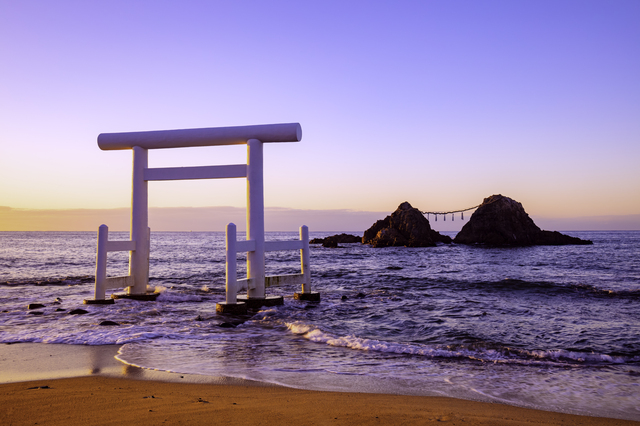
日本全国に神社の数は、約8万社あり、 法人格を持たない神社や小さな祠(ほこら)なども含めると約12万社あるとも言われています。ちなみに、コンビニの数は全国で6. 5万店舗です。日本の神は日本人の日常生活のいたるところに存在しているのです。
There are approximately 80,000 Shinto shrines throughout Japan. It is said that there are about 120,000 shrines if you include those without corporate status and small shrines. For comparison, there are 65,000 convenience stores nationwide. The gods of Japan exist everywhere in the daily life of the Japanese people.
神道は「宗教的ではない」という捉え方があります。多くの外国人は神道を、心を豊かにするスピリチュアルな活動として受け入れています。インターネットの普及で多くの日本文化が世界中に拡散され、日本文化の背景となる神道が高い評価を受けています。
Shinto is sometimes perceived as “not religious.” Many foreigners accept Shinto as a spiritual activity that enriches the heart. With the spread of Japanese culture around the world through the internet, Shinto, which forms the background of Japanese culture, is highly valued.
メディアの影響/Media Influence
『鬼滅の刃』などの日本のアニメやゲームを通じて神道の世界観に触れ、実際に神社を訪れる外国人が増えています。スタジオジブリ作品『もののけ姫』は、自然を司る神々(シシ神など)や、自然と人間との共存がテーマになっており、アニミズム(精霊信仰)や多神教的な世界観が色濃く反映されています。
More and more foreigners are visiting shrines after being exposed to the Shinto world view through Japanese anime and games such as “Demon Slayer.” Studio Ghibli’s “Princess Mononoke” features gods that govern nature (such as the Shishi-gami) and the theme of coexistence between nature and humans, and deeply reflects animism and a polytheistic world view.
多神教である「八百万の神」の世界観、つまり自然界のあらゆるものに神が宿るという考え方は、一神教を主流とする欧米の人々には衝撃的であり、神道の宗教観は彼らの伝統的な価値観を覆すものと捉えられているようです。
The polytheistic worldview of “Yaoyorozu no Kami” (eight million gods), the idea that gods reside in all things in nature, is shocking to people in Europe and the United States, where monotheism is mainstream. The religious views of Shinto are perceived as overturning their traditional values.
参拝者は、恋愛成就には出雲大社、合格祈願には太宰府天満宮のように、目的に応じて神様を自由に選んでお祈りすることができます。教祖や聖典が存在しない:神道には特定の教祖や聖書のような聖典がなく、神話や祭祀を通じて伝えられてきた「神の道」を拠り所としています。
Worshippers can freely choose and pray to gods depending on their purpose, such as Izumo Taisha for success in love or Dazaifu Tenmangu Shrine for passing entrance exams. There is no founder or holy scripture: Shinto does not have a specific founder or holy scriptures like the Bible, but is based on the “way of the gods” that has been passed down through myths and rituals.
神道は神と人との共生関係です。一方の一神教では、神と人間の間は「契約」関係であるという考えです。ここで人間は「愚かな罪人」であり、神に許しを請う存在です。神道の場合、人間の存在は「善」であり、その過ちも「罪」ではなく、祓い清めによって浄化できる一時的なものとされています。神道では、神様も失敗する存在であり、人間と共に失敗しなが成長するという考えがあります。
Shinto is a symbiotic relationship between gods and humans. In contrast, monotheistic religions view the relationship between God and humans as a “contract.” In this view, humans are “foolish sinners” who ask God for forgiveness. In Shinto, human existence is considered “good,” and mistakes are not “sins” but temporary things that can be purified through払i清め (harai-kiyome, purification rituals). In Shinto, gods are also beings who make mistakes, and it is believed that they grow together with humans through failures.
神道の歴史と変遷/History and Transition of Shinto
自然との共存:神道のルーツは、縄文時代に遡る自然崇拝(アニミズム)にあります。自然を支配するのではなく、共存する姿勢は現代の環境問題に対する重要な示唆を与えています。一神教の場合、神が天上に存在してその下に人間があり、さらに下に自然があるという考えです。この考えだと、いつまで経っても環境が破壊され続きます。
Coexistence with Nature: The roots of Shinto lie in the nature worship (animism) that dates back to the Jomon period. The attitude of coexisting with nature, rather than dominating it, offers important suggestions for modern environmental problems. In the case of monotheism, God exists in the heavens, with humans below, and nature further below. With this way of thinking, the environment will continue to be destroyed indefinitely.
仏教との融合:6世紀に仏教が伝来した際、神道はそれを排除するのではなく積極的に受け入れ、神と仏が一体であるとする「神仏習合」という独自の文化を生み出しました。仏教の輪廻思想は死の恐怖を和らげ、人々に心の平安をもたらしたと言われます。
Integration with Buddhism: When Buddhism was introduced in the 6th century, Shinto did not reject it. Instead, it actively embraced Buddhism, creating a unique culture called “Shinbutsu-shūgō,” which considered gods and Buddhas to be one. The Buddhist concept of reincarnation is said to have eased the fear of death and brought peace of mind to people.
明治維新以降:明治維新で「神仏分離」が行われ、国家神道として国家のイデオロギーとなりました。第二次世界大戦後、GHQの政策により国家管理から切り離され、一宗教として再出発しました。しかしどんな政策があろうとも、日本人の精神的基盤は消し去ることができす、今なお生活の隅々に宿っています。
Following the Meiji Restoration: “The separation of Shinto and Buddhism” was carried out during the Meiji Restoration, and it became the state ideology as State Shinto. After World War II, it was separated from state control by GHQ policies and restarted as a religion. However, no matter what policies are implemented, the spiritual foundation of the Japanese people cannot be erased, and it still resides in every corner of their lives.
身近に存在する神々/Gods that exist around us
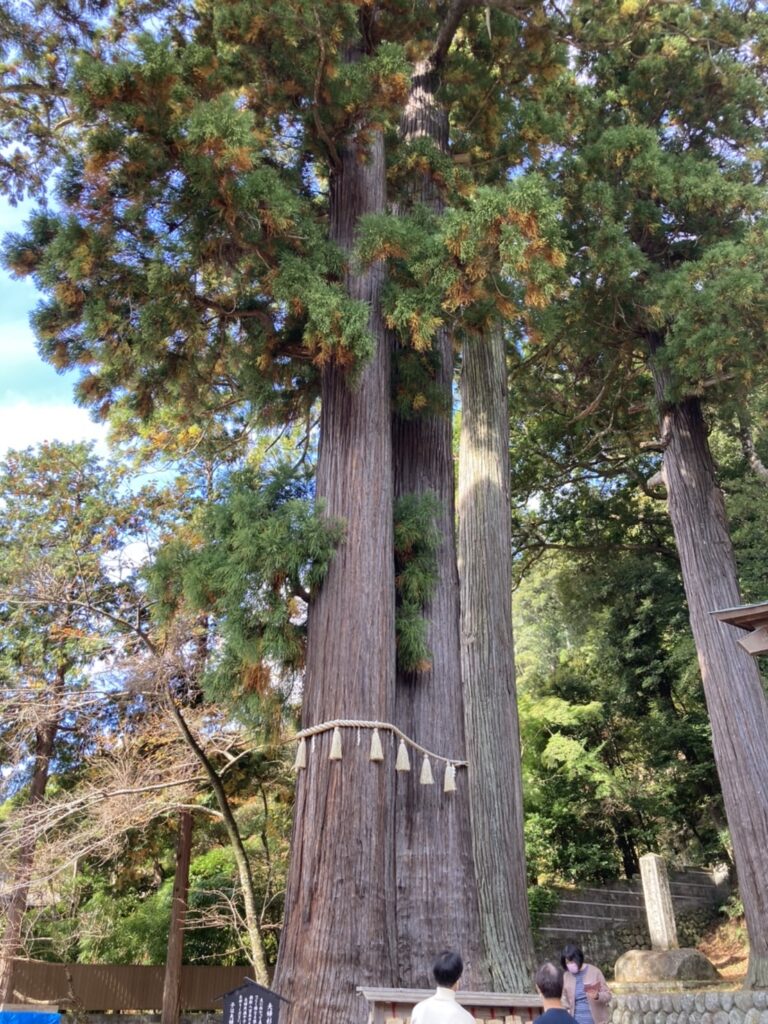
日本では、祖先は神として敬われ、「お盆」にはその霊を迎え、もてなした後、再び送り出すという行事が行われます。また神棚(かみだな)を備える家もあり、これが家の中に設ける「小さな神社」のような役割を果たしています。ここは家族が日常的に、神様に感謝を捧げ、家族の安全や繁栄を祈るための大切な場所です。
In Japan, ancestors are revered as gods, and during the “Obon” festival, a ritual is held to welcome, entertain, and then send off their spirits again. Some homes also have a “Kamidana” (household Shinto altar), which serves as a “small shrine” within the house. This is an important place for families to routinely offer gratitude to the gods and pray for the safety and prosperity of the family.
日本人が神に手を合わせる行為は、自己との対話でもあります。迷いや過ち、怒りといった心の穢れを、神との一体感を通じて洗い落とし、本来の自己に立ち返るのです。日本人の祈る行為は心身ともに健全でいたいという願いでもあります。いたるところに神が存在する日本は、邪気や悪霊が寄り付けないようになっているようです。
The act of Japanese people putting their hands together in prayer is also a dialogue with themselves. It is through a sense of unity with the divine that they wash away the impurities of the heart, such as confusion, mistakes, and anger, and return to their original selves. The act of praying for Japanese people is also a wish to be healthy in both mind and body. In Japan, where gods exist everywhere, it seems that evil spirits and malevolent influences are kept away.
日本の神々は、明らかに日本人が道に迷わないように護っています。人が誤った道を歩こうとするとき、静かに背中を押して「人として歩むべき道」へと導いているのです。
The gods of Japan clearly protect the Japanese people from losing their way. When people try to walk down the wrong path, the gods gently push them back and guide them to the path they should take as human beings.
現代社会における神道の価値/The Value of Shinto in Modern Society
神道の「十人十色の道がある」という考えは、異なる文化や価値観を持つ人々が共存する現代社会において重要な指針となります。環境保護:神社の鎮守の森は、都市部においても貴重な自然環境を保護しています。これらは持続可能な社会(SDGs)のモデルとして注目されています。多様性への寛容な精神なども、すでに多くの日本人に備わっています。
The Shinto concept of “ten people, ten colors” serves as an important guideline in modern society, where people with different cultures and values coexist. Environmental protection: Shrine forests protect valuable natural environments even in urban areas. These are attracting attention as models for sustainable societies (SDGs). A spirit of tolerance towards diversity is already ingrained in many Japanese people.
罪悪感に苦しまず、前向きに生きられる「穢れ」の概念や、個人を尊重する柔軟な精神は、世界の人々にとって大きな魅力となっています。世界の人々は、ようやく精神的な豊かさの価値に気付き始めたようです。しかしこれらは、日本では大昔から普通に実践されてきたことです。世界がようやく日本に追い付いたという感じですね。
<次掲載へ続く>
The concept of “impurity” that allows people to live positively without suffering from guilt, and the flexible spirit that respects the individual, are very attractive to people around the world. It seems that people around the world are finally beginning to realize the value of spiritual wealth. However, these things have been commonly practiced in Japan since ancient times. I feel that the world has finally caught up with Japan.
<Continued in next post>