個人主義と教育/Individualism and Education
第二次世界大戦後、GHQの指導のもと、日本に導入された米国型の教育の背景には個人主義思想がありました。日本人は米国思想の利点を積極的に取り入れつも、集団意識を忘れることはありませんでした。日本が米国から学んだ個人主義には、個人の自主独立、私生活の保全、法の下の平等、自由意志、そして自由貿易といった概念が含まれていました。
Following World War II, American-style education was introduced to Japan under the guidance of the GHQ, with individualism as its underlying philosophy. The Japanese people actively adopted the advantages of American thought while never forgetting their sense of collectivism. The individualism that Japan learned from the United States included concepts such as individual autonomy and independence, protection of privacy, equality under the law, free will, and free trade.
しかし、個人主義を基盤とする教育には、競争社会で生き抜くための闘争の要素が含まれています。その根底には、弱肉強食や適者生存といった考え方がありました。日本人にとって、こうした思想は必ずしも心に馴染むものではありません。なぜなら、このような競争の激化が、いじめ問題や不登校、学級崩壊などを引き起こし、結果として差別や格差を生むと考えられているからです。
However, education based on individualism contains elements of struggle to survive in a competitive society. At its root are ideas such as the survival of the fittest and Social Darwinism. For the Japanese, these ideas do not necessarily resonate with their hearts. This is because it is believed that such intensification of competition causes problems such as bullying, school absenteeism, and classroom disruption, and as a result, creates discrimination and inequality.
教育は、本来、子供たちの発育の差を前提として行われるべきです。このことを軽視し、競争を重視した教育が「勝ち組・負け組」といった差別的な言葉を生み出しました。しかし、日本人は古くから「切磋琢磨」の精神を重んじ、互いを高め合うことを美徳としてきました。この言葉には「互いに努力し、共に成長しよう」という精神が込められており、多くの日本人が納得する価値観だといえます。
Education should inherently be conducted with the understanding that there are differences in children’s development. Neglecting this and emphasizing competition in education has led to discriminatory terms like “winners and losers.” However, the Japanese have long valued the spirit of “mutual improvement,” considering it a virtue to elevate one another. This term embodies the spirit of “striving together and growing together,” which is a value that many Japanese people find agreeable.
問題を起こすのは誰?/Who causes the problem?
いずれにせよ、個人主義的な教育の影響は日本の教育にも大きな変化をもたらしました。国を挙げてエリートの育成が推進され、高学歴エリートの輩出こそが、日本の未来を切り拓く鍵であると期待されてきました。彼らこそが日本のリーダーであり、彼らに任せれば日本の将来は安泰であると考える人が増えたのです。
In any case, the influence of individualistic education has brought significant changes to Japanese education as well. The entire nation has promoted the development of elites, and producing highly educated elites has been expected to be the key to paving the way for Japan’s future. More people have come to believe that they are Japan’s leaders, and if they are left in charge, Japan’s future will be secure.
果たして国力を高めるために大量の高学歴エリートが必要でしょうか。国全体の学力が上がったとしても、意志薄弱で行動力に乏しい人々が増えるだけではないでしょうか。そして、理論や理屈だけが繰り返されると、社会が混乱に陥る可能性もあります。実際、日本では多くの問題、混乱を起こすのは政治家などのエリート層なのです。
Is it really necessary to have a large number of highly educated elites to increase national power? Even if the academic ability of the entire country rises, might it only lead to an increase in people who are weak-willed and lack the ability to take action? And if only theories and reasons are repeated, there is a possibility that society will fall into confusion. In fact, in Japan, it is the elite class, such as politicians, who cause many problems and confusion.
魂を受け継いだのは誰?/Who inherited the soul?
実際に日本の生産性を高めているのは、日々行動する普通の人々です。エリート層よりも、一般の人々の生産性の方が圧倒的に高いのです。日本の企業全体に占める中小企業の割合は99.7%に上ります。この数字を支えているのは、大多数を占める普通の日本人なのです。
It is the ordinary people who take action every day that are actually increasing Japan’s productivity. The productivity of ordinary people is overwhelmingly higher than that of the elite. Small and medium-sized enterprises account for 99.7% of all companies in Japan. The ordinary Japanese people, who make up the vast majority, support this figure.
日本の強みは、世界中からあらゆる文物を取り入れ、それらの無駄や有害な部分を取り除き、より完成度の高いものへと昇華させる能力にあります。日本で生み出される製品には、生産者たちの魂が込められています。これらは職人や技術者たちの精神と卓越した技術に支えられ、受け継がれてきたものです。しかし、高学歴エリートたちは職人を必ずしも尊敬するわけではありません。彼らは常に職人たちの現場から遠いところにいるのです。
Japan’s strength lies in its ability to incorporate all kinds of culture and civilization from around the world, eliminate their waste and harmful aspects, and refine them into something more complete. The products created in Japan are imbued with the souls of their producers. These are supported by the spirit and outstanding skills of craftsmen and engineers, and have been passed down through generations. However, highly educated elites do not necessarily respect craftsmen. They are always far removed from the workshops of the craftsmen.
エリートに受け継がれなかった精神/A spirit that was not passed on to the elite.
残念ながら、日本の武士道精神は現代のエリート層には受け継がれていません。彼らはリベラリストでありグローバリストであるため、日本の伝統的精神を軽視する傾向が強いようです。彼らが重視するのは理論や科学的データであり、自分たちが主導する理想的な社会の構築を目指しています。当然ながら、目に見えない「魂・精神・心・情」といった概念を時代遅れと考える人もいるでしょう。
Unfortunately, the spirit of Bushido in Japan has not been passed down to the modern elite. Because they are liberals and globalists, they tend to disregard the traditional Japanese spirit. They value theory and scientific data, and aim to build an ideal society led by themselves. Naturally, some may consider invisible concepts such as “soul, spirit, heart, and emotion” to be outdated.
しかし、技術の伝承とは、理論や理屈だけで成り立つものではありません。技術の世界では「習うより慣れろ」という格言が示すように、真に継承されるべきは理屈ではなく、「魂」や「精神」にほかなりません。柔軟性と頑固さが同居する職人や技術者の世界こそ、日本の武士道精神が息づく場だと言えます。そして、高度な技術大国としての日本を築いたのも、彼らに宿る不屈の武士道精神だったのです。
However, the transmission of technology is not something that can be achieved through theory and logic alone. In the world of technology, as the saying “practice makes perfect” suggests, what should truly be passed down is not the logic, but rather the “soul” or “spirit.” The world of craftsmen and engineers, where flexibility and stubbornness coexist, is precisely where the spirit of Japanese Bushido lives on. And it was the indomitable Bushido spirit dwelling within them that built Japan as an advanced technological nation.
期待と警戒/Expectations and Warnings
多くの日本人が武士道精神について語ることは少なくなりました。しかしこの精神は現代の日本人の遺伝子に深く刻み込まれています。日本人がこれを口にしないのは、軽々しく言葉にするとその価値が薄れると考えるためです。日本人は目に見えないもの、語られないものにこそ深い意味と価値があると捉えています。そして、頭で理解する以上に、五感を通じて体得した技術こそが貴重だと考えるのです。
Many Japanese people no longer talk about the spirit of Bushido. However, this spirit is deeply ingrained in the genes of modern Japanese people. The reason why Japanese people do not talk about it is because they believe that its value will be diminished if they put it into words lightly. Japanese people believe that deep meaning and value lie in things that are invisible and unspoken. And they believe that the skills acquired through the five senses are more valuable than understanding with the head.
日本の工業力や技術力は国際社会においても高く評価されています。しかし、日本の政治力は未だ課題が多く、国際的な影響力を発揮するには至っていません。もし日本の政治に武士道精神が復活すれば、地球規模で大きな影響を与えることになるでしょう。この可能性を予測する欧米の日本研究家や政治家の中には、日本の潜在的な力に対する期待と警戒が入り混じっています。
Japan’s industrial and technological capabilities are highly regarded in the international community. However, Japan’s political power still faces many challenges and has not yet reached the point where it can exert international influence. If the spirit of Bushido were to be revived in Japanese politics, it would have a significant impact on a global scale. Among Western Japan researchers and politicians who predict this possibility, there is a mixture of expectation and caution regarding Japan’s potential power.
「道」なきリーダ達
日本においては、知識の豊かさや頭の良さだけでは、真の尊敬を勝ち取ることはできません。日本の知的エリートが真に尊敬されるための条件は、強い責任感と信頼できる人間性を持ち、さらに勇気と決断力、慈悲の心を備えていることです。すなわち、日本のエリートが尊敬される存在となるためには、日本古来の武士道精神への覚醒が必要なのです。
In Japan, wealth of knowledge or intelligence alone is not enough to earn true respect. The conditions for Japanese intellectual elites to be truly respected are to have a strong sense of responsibility, a reliable character, and furthermore, to be equipped with courage, decisiveness, and a compassionate heart. In other words, in order for the Japanese elite to become a respected existence, it is necessary to awaken to the ancient Japanese Bushido spirit.
エリート教育で育った各界のリーダーに求められる武士道精神とは、手柄は部下に与え、部下の犯したことの責任はすべて自分が負う、という姿勢です。これほどの逸材を、エリートと言われる人の中に見つけることはできるでしょうか。巷間よく言われることですが、政治家を含めリーダーシップをとるべき人材の必須事項として、最低でも陸上自衛隊予備自衛官の経験を積んで欲しいものです。
The Bushido spirit required of leaders in various fields who have been raised with elite education is an attitude of giving credit to subordinates and taking all responsibility for their mistakes. Can we find such talent among so-called elites? It is often said, but as a requirement for personnel who should take leadership, including politicians, I would like them to have at least the experience of being a reserve officer in the Ground Self-Defense Force.
足元を見てください/Watch your step.
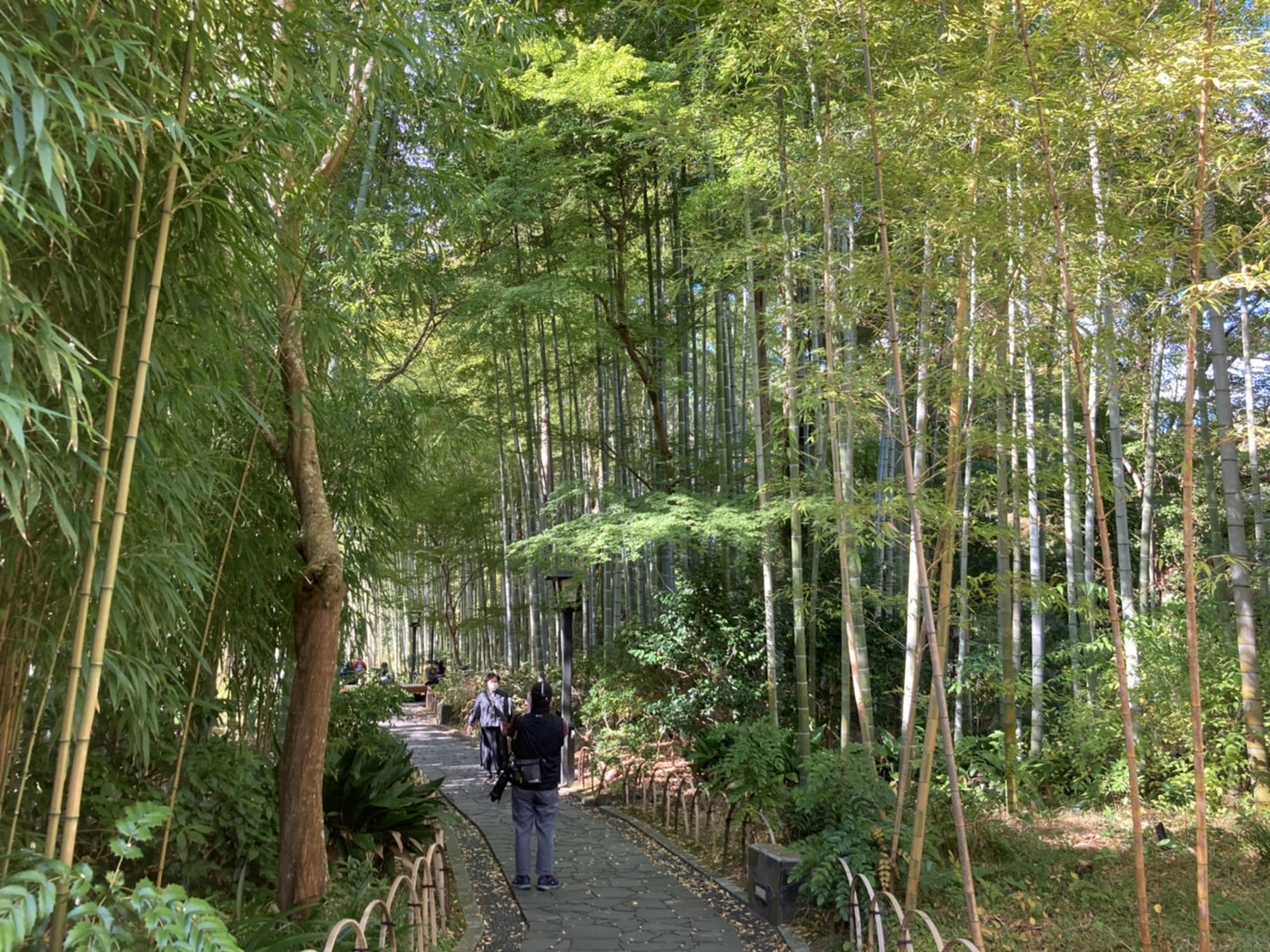
日本人は「語らぬもの」、「見えぬもの」に価値を見出す民族です。みなさんの足元を見てください。そこには、古より美しく整えられた武士道の「道」が存在しています。その「道」の彼方に何が見えるでしょうか? 日本人の誰もが、その足元に日本と世界の未来を見出すに違いありません。
The Japanese are a people who find value in “things unspoken” and “things unseen.” Look at your feet. There lies the “path” of Bushido, beautifully crafted since ancient times. What can you see beyond that “path”? Surely, every Japanese person will find the future of Japan and the world at their feet.