高市首相が就任直後に打ち出した「財務省の組織再編」と「スパイ防止法の成立」は、戦後の日本政治の構造を根本から揺るがす「静かなる革命」だと論じられています。この大胆な二大改革の裏には、国家運営の主導権を官僚機構から政治家に取り戻し、日本の安全保障体制を再構築するという明確な狙いがあると分析されています。
It is argued that Prime Minister Koichi’s “reorganization of the Ministry of Finance” and “establishment of a counter-espionage law,” which he announced immediately after taking office, are a “quiet revolution” that fundamentally shakes the structure of postwar Japanese politics. Behind these two bold reforms, there is a clear aim to regain control of national administration from the bureaucratic structure for politicians and to rebuild Japan’s security system, according to an analysis.
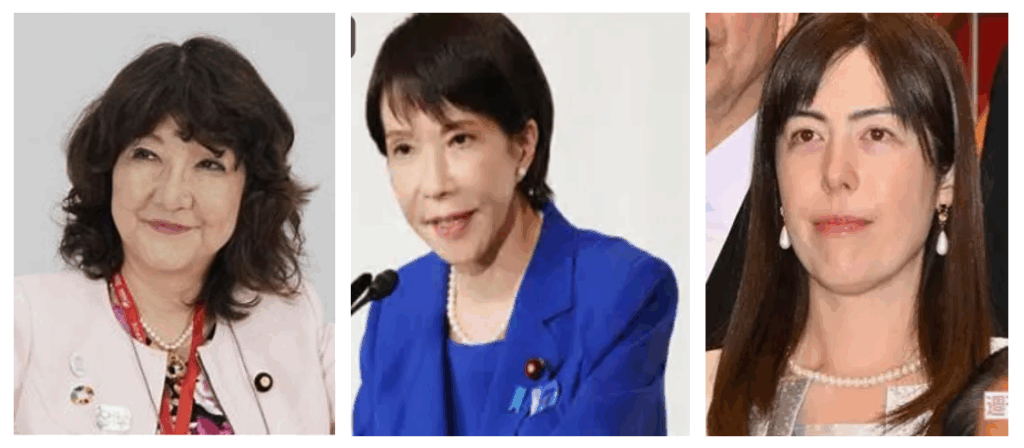
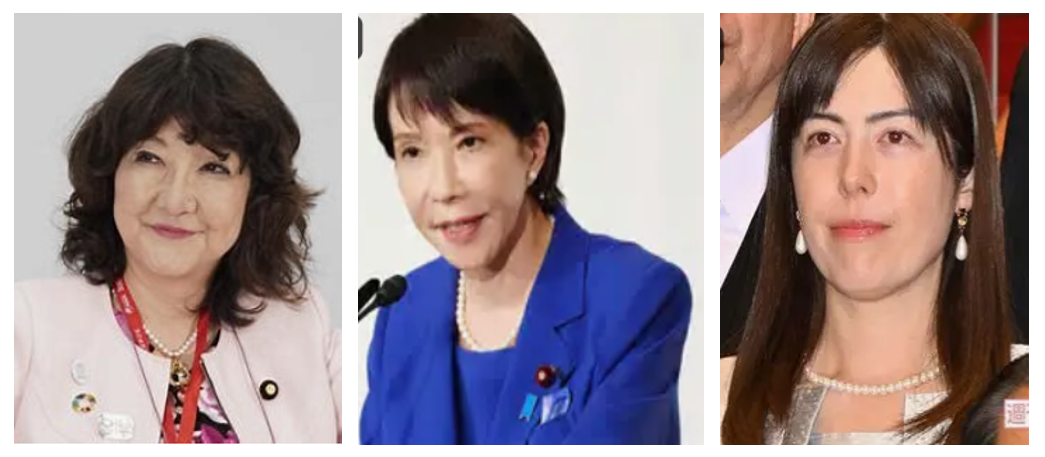
From left to right: Satsuki Katayama, Sanae Takaichi, Kimi Onoda
財務官僚支配からの脱却/Breaking away from the dominance of finance bureaucrats
長年「影の政府」とも呼ばれ、予算と政策を実質的に握ってきた財務省に対し、高市首相は前例のない改革に踏み切りました。
Prime Minister Koichi has embarked on unprecedented reforms of the Ministry of Finance, which has long been called the “shadow government” and has virtually controlled the budget and policies.
財務省の一部機能の再編:財務省の一部機能を内閣直属の「経済管理局」として再編する案が発表されました。これは、予算の決定権限を官僚組織から政治の意思の下に移す動きであり、戦後最大の政治的挑戦と見なされています。
A plan has been announced to reorganize some functions of the Ministry of Finance, establishing an “Economic Management Agency” directly under the Cabinet. This is seen as a move to shift budgetary decision-making power from the bureaucracy to political will and is considered the biggest political challenge of the post-war era.
「片山ショック」: 財務大臣に元財務官僚の片山さつき氏が起用されたことは、財務省内部で「片山ショック」と呼ばれるほどの緊張をもたらしました。これは、官僚機構の仕組み、特に政治家を支配してきた情報や数字の使い方の裏側を知り尽くした人物が、内部から構造を壊しにかかっているためです。
“Katayama Shock”: The appointment of former Ministry of Finance official Satsuki Katayama as Minister of Finance has brought a level of tension within the Ministry of Finance that has been dubbed the “Katayama Shock.” This is because a person who knows the ins and outs of the bureaucratic system, especially the way information and figures have been used to control politicians, is now trying to destroy the structure from within.
予算編成の転換:目指すは「財政が先、政策が後」という従来の官僚主導の構造を改め、「政策が先、財政が後」という政治主導の原則を取り戻すことです。これにより、政治家が明確な国家ビジョンを示し、官僚がその実現のための予算を構築する体制への転換が図られます。
A shift in budget allocation: The goal is to move away from the traditional bureaucratic-led structure of “finances first, policy second” and reclaim the principle of political leadership with “policy first, finances second.” This aims to transition to a system where politicians present a clear national vision, and bureaucrats develop a budget to achieve it.
「見える化」と「戦略的積極財政」/”Visualization” and “Strategic Proactive Fiscal Policy”
片山財務相は、財政運営の透明性を高めるため、以下の施策を打ち出しました。
Minister of Finance Katayama has announced the following measures to enhance the transparency of fiscal management.
予算編成プロセスの公開:政策の優先順位を数値化するなど、予算編成のプロセスを国民に開示する「見える化」を推進。これにより、これまで霞が関の論理で不透明に決められてきた判断理由が明らかにされ、政治家に言い訳が許されない「責任ある政治」が求められるようになります。
Publicizing the budget formulation process: We will promote “visualization” by disclosing the budget formulation process to the public, such as quantifying policy priorities. This will clarify the reasoning behind decisions that have been made opaquely based on the logic of Kasumigaseki, and will require “responsible politics” that does not allow politicians to make excuses.
積極財政への転換: これまでの「財政健全化」名目の緊縮策から脱却し、「出すべきところには出し、引き締めるべきところは引き締める」という「戦略的な積極財政」を掲げ、未来への投資(教育、防衛産業支援など)を重視する姿勢を示しています。
Shifting to an active fiscal policy: Moving away from austerity measures under the guise of “fiscal soundness,” it advocates for a “strategic active fiscal policy” of “spending where it should be spent and tightening where it should be tightened,” emphasizing investment in the future (education, defense industry support, etc.).
国家再設計を担う「トライアングル政権」/”Triangle administration” to lead national redesign
高市政権は、国家運営の中枢にいる3人の女性政治家(高市早苗氏、片山さつき氏、小野田紀美氏)によって、国家の「設計図」を描き、建設するチーム体制を構築しています。それぞれの役割は、高市早苗首相(理念):国家ビジョンの設計と統括。片山さつき財務相(財政):積極財政による資金の確保と構造改革。小野田紀美経済安全保障担当相(実行):政策の戦略的な実行と現場との調整。
Under the Takaichi administration, a team system is being built by three female politicians at the core of national administration (Sanae Takaichi, Satsuki Katayama, and Kimi Onoda) to draw up and construct the nation’s “blueprint.” Their respective roles are: Prime Minister Sanae Takaichi (Ideology): Designing and overseeing the national vision; Finance Minister Satsuki Katayama (Finance): Securing funds through proactive fiscal policy and structural reforms; Minister for Economic Security Kimi Onoda (Execution): Strategic execution of policies and coordination with the field.
この「トライアングル」体制は、理念、財政、実行が連携し、これまで縦割りで機能不全に陥りがちだった日本政治の構造を打破し、国家安全保障と経済を統合した戦略的な国家運営を実現しようとしています。これらの動きは、政治家が責任を持って国を動かすという民主主義の基本原則を取り戻す挑戦であり、国民一人ひとりの関心と行動が、この改革の流れを支える鍵となると結論付けています。
This “triangle” system aims to break down the vertically divided and dysfunctional structure of Japanese politics, which has often led to failures in the past, by linking ideology, finance, and execution, and to realize strategic national management that integrates national security and the economy. These movements are a challenge to restore the basic principle of democracy, in which politicians run the country responsibly, and conclude that the interest and actions of each individual citizen will be key to supporting this reform movement.