
レヴィ=ストロース:「道」との出会い/Lévi-Strauss: Encounter with “The Way”
多忙に明け暮れる毎日、誰もが心が落ち着かないと感じているはずです。たくさんの情報に囲まれ、いつも何か新しいことを求められる日々は、知らず知らずのうちに私たちの心を疲れさせてしまいます。こんな時代だからこそ、「静かな時間」や「自分なりの生き方」が、どれほど大切かを考えてみる必要があります。
In our busy daily lives, everyone must feel restless. Surrounded by so much information and constantly required to seek something new, our minds become weary without us even realizing it. That’s why, in this era, we need to consider how important “quiet time” and “a way of life that is true to ourselves” really are.
20世紀に活躍したフランスの社会人類学者、民族学者、クロード・レヴィ=ストロース(1908~2009)は、晩年になって日本文化の奥深さを知り感動しました。そして「日本は東洋に社会的健康の模範を示し、西洋に対して精神的健康の模範を示している」という言葉を残しました。この言葉は、日本が持つ特別な考え方が、私たちが忘れがちな「心の健康」を取り戻すためのヒントになる、と教えてくれています。彼が日本で見つけた「模範」とは、一体どんなものだったのでしょう?そして、その根っこにある「道」という考え方は、私たちに何を伝えようとしているのでしょうか?
Claude Lévi-Strauss(1908~2009), a French social anthropologist and ethnologist who was active in the 20th century, deeply admired the profundity of Japanese culture in his later years. He left behind the words, “Japan offers a model of social health to the Orient and a model of spiritual health to the West.” This quote suggests that Japan’s unique way of thinking offers hints for regaining the “mental health” that we tend to forget. What kind of “model” did he find in Japan? And what is the idea of “道” (道, way or path) at its root trying to convey to us?
日本にはたくさんの「道」がある/There are many “Way” in Japan.
日本の文化では、「道」という考え方がとても大切にされています。例えば、「武士道」「柔道」「剣道」「空手道」「茶道」「華道」「書道」「芸道」など、たくさんの「道」があります。日本ではあらゆる職業が「道」に例えられるほどです。これらは、ただ技術を学ぶだけでなく、その奥には心を鍛え、自分を成長させるための深い意味が込められています。「道」というのは、何か一つのことを通して、自分自身と向き合い、心を磨いていくプロセスです。
In Japanese culture, the concept of “道” (dō) or “way” is very important. There are many “ways” such as “Bushido” (the way of the warrior), “Judo” (the way of gentleness), “Kendo” (the way of the sword), “Karatedo” (the way of the empty hand), “Chado” (the way of tea), “Kado” (the way of flowers), “Shodo” (the way of calligraphy), and “Geido” (the way of art). In Japan, almost every profession can be likened to a “way.” These involve not only learning techniques, but also contain a deep meaning of training the mind and developing oneself. The “way” is a process of facing oneself and refining one’s heart through something.
例えば、茶道では、お茶を点てる一つ一つの動きが、心を落ち着かせ、集中力を高めるための「型」になっています。これは「これで完璧!」というゴールを目指すものではなく、むしろ「これでいいのかな?」と自分に問いかけ続けることなんです。いつも未熟な自分と向き合い、もっと良いやり方はないかと探し続ける姿勢こそが、「道」の一番大切な部分と言えるでしょう。
For example, in the tea ceremony, each movement of preparing tea is a “form” to calm the mind and enhance concentration. This is not about aiming for a goal of “This is perfect!” but rather about constantly questioning yourself, “Is this okay?” The most important part of the “way” is the attitude of always facing your immature self and continuing to search for better ways.
また「道」は、他の人との関係を育む場でもあります。茶室での一期一会(いちごいちえ)の出会いや、稽古での先生や仲間との交流を通して、人は礼儀や協力する心を学び、みんなで仲良く暮らすための精神を育んできました。レヴィ=ストロースが日本の文化の中に「心の健康のお手本」を見つけたのは、こうした「道」の文化が育んできた、心の土台があったからに違いありません。それは、私たちの人生を豊かにするための、誰にでも役立つ考え方を与えてくれるのです。日本の「道」とは自分の成長のためのものであり、他の人と、あるいは大勢の人たちと一緒に歩む「道」でもあるのです。
Moreover, the “Way” is also a place for fostering relationships with others. Through once-in-a-lifetime encounters in the tearoom and交流(kouryuu) with teachers and colleagues during practice, people have learned etiquette and the spirit of cooperation, and have cultivated a spirit for living harmoniously with everyone. Lévi-Strauss found a “model of mental health” in Japanese culture, and this was undoubtedly due to the foundation of the heart that the culture of “Way” has nurtured. It provides us with a way of thinking that is useful to anyone for enriching our lives. The Japanese “Way” is for one’s own growth, and it is also a “Way” to walk together with other people, or with a large number of people.
レヴィ=ストロースが日本で見たもの/What Lévi-Strauss Saw in Japan
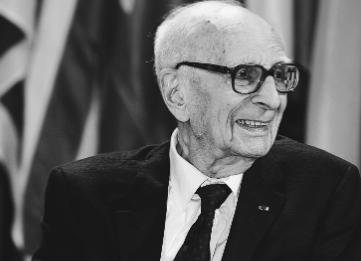
■クロード・レヴィ=ストロース(Claude Lévi-Strauss、1908年~ 2009年 )は、フランスの社会人類学者、民族学者。ベルギーのブリュッセルで生まれ、フランスのパリで育った 。1977・1986・1993に来日。「曖昧さに宿る知恵」「地図の中心は西洋ではなく極東の島国だった」「日本文化は完成された未完成」「語らないことで伝える深み」「西洋では論理こそが真理。分類し名前を付け秩序化することで、物事をすべて理解した気になるのが西洋だ」などの言葉を残した。
■Claude Lévi-Strauss (1908–2009) was a French social anthropologist and ethnologist. He was born in Brussels, Belgium, and raised in Paris, France. He visited Japan in 1977, 1986, and 1993. He left behind words such as: “Wisdom resides in ambiguity,” “The center of the map was not the West, but the island nation of the Far East,” “Japanese culture is a completed incompleteness,” “Depth is conveyed by not speaking,” and “In the West, logic is truth. The West believes it understands everything by classifying, naming, and ordering things.”
レヴィ=ストロースが「日本は東洋に社会的健康の模範を示し、西洋に対して精神的健康の模範を示している」と言ったのは、彼が日本の文化に見つけた、特別なバランス感覚が理由でした。彼のいう東洋とは、欧州以外の中東、アジア全域のことで、民主主義が未成熟な地域という意味です。西洋とは「もっと便利に、もっと新しく」と進歩ばかりを追い求める世界です。一方、東アジアの島国日本では昔からの言い伝えと歴史が混ざり合い、自然と調和して生きる文化を大切にしてきました。彼は特に、日本の「職人さん」の文化に深く感動しました。名前も知られていない職人さんが、代々受け継がれてきた技術を磨き、一つひとつのものに心を込める姿は、ただ物を作るだけでなく、心のあり方が表れている、と彼の目には映ったのです。
Lévi-Strauss said that “Japan is showing a model of social health to the East and a model of spiritual health to the West” because of the special sense of balance he found in Japanese culture. The “East” he refers to includes the Middle East and all of Asia outside of Europe, meaning regions where democracy is not yet mature. In the West, the world is constantly pursuing progress, seeking “more convenience, more novelty.” On the other hand, in Japan, an island nation in East Asia, ancient traditions and history are intertwined, and the culture values living in harmony with nature. He was particularly impressed by Japan’s culture of “craftsmen.” The sight of anonymous craftsmen refining their skills passed down through generations and putting their hearts into each and every item, appeared to him as not just making things, but expressing a state of mind.
また、日本が「革命(暴力で世の中をひっくり返す)」ではなく「復古(昔の良いものを見直すこと)」によって、今の時代に合った国に変えていった稀有な国であることも、レヴィ=ストロースにとって注目すべき点でした。過去を否定するのではなく、昔からの良い習慣や考え方をもう一度見直し、今の時代に合うように工夫していくことで、日本は独自の発展を遂げました。この「復古」の精神は、変化の激しい現代においても、本当に大切なことを見失わないための知恵として、私たちに教えてくれることがあります。彼が日本の文化に見つけた良さは、見た目の美しさだけでなく、その奥にある深い哲学的な考え方にあったと言えるでしょう。
Lévi-Strauss also found it noteworthy that Japan is a rare country that transformed itself into a nation suited to the modern era not through “revolution” (overturning the world through violence) but through “restoration” (revisiting the good things of the past). Japan has achieved its unique development by not rejecting the past, but by reexamining good habits and ways of thinking from the past and adapting them to the present era. This spirit of “restoration” offers us wisdom for not losing sight of what is truly important, even in today’s rapidly changing world. The goodness he found in Japanese culture was not only in its aesthetic beauty but also in the deep philosophical thinking behind it.
受け継ぐべき「道」とは/The “Way” to be inherited
今の社会で、「道」の文化はどんな意味を持つことができるでしょうか?私たちは毎日、仕事のプレッシャーや人間関係の難しさ、そして将来への漠然とした不安と向き合っています。こんな中で、「道」の考え方は、私たち自身の心のあり方を見つめ直し、心のバランスを取り戻すための具体的なヒントを与えてくれます。
In today’s society, what meaning can the culture of “the Way” hold? Every day, we face work pressures, the difficulties of human relationships, and vague anxieties about the future. Amidst all of this, the concept of “the Way” offers us concrete hints for re-examining our own state of mind and regaining our inner balance.
例えば、仕事で、ただ結果を出すだけでなく、その仕事をする過程そのものを「道」と捉えることで、日々の仕事に新しい意味を見つけることができます。人間関係でも、相手を大切にし、みんなで仲良くしようとする「道」の心は、もっと良いコミュニケーションを育むでしょう。また、瞑想(めいそう)をしたり、自分の好きな趣味に没頭したりして、意識的に「静かな時間」を作ることも、「道」を今の時代に合わせて実践することだと言えます。
For example, in work, by perceiving not only the results but also the process of doing the work itself as a “Way” you can discover new meaning in your daily work. In relationships, a “path” mindset of valuing others and trying to get along with everyone will foster better communication. Also, consciously creating “quiet time” by meditating or immersing yourself in your favorite hobby can be said to be practicing the “Way” in accordance with the present era.
「道」は、私たちに完璧を求めるのではなく、いつも学び、成長し続ける姿勢を促します。それは、外での成功だけでなく、内面が充実した生き方を追い求めることです。毎日が慌ただしい現代社会の中で、見失いがちな自分自身を見つめ直し、心のバランスを取り戻すヒントとして、「道」は静かに、でも力強く、私たちに語りかけているのです。
The “Way” does not ask us for perfection, but encourages us to always learn and continue to grow. It is about pursuing not only outward success, but also a fulfilling inner life. In today’s hectic society, the “Way” quietly, yet powerfully, speaks to us as a hint to rediscover ourselves, which we tend to lose sight of, and to regain our inner balance.
言葉ではなく「態度」で伝える文化/A culture of communicating through attitude rather than words.
クロード・レヴィ=ストロースが見た日本の文化の静かな力は、たくさんの言葉を使わなくても、その「態度」や「あり方」で世界にメッセージを送り続けています。武士道に代表される心を鍛えること、茶道や華道での調和を大切にすること、そして職人さんたちが受け継ぐ細部へのこだわり。これらはすべて、形としてあるだけでなく、その奥にある深い考え方や生き方を表しています。
The quiet strength of Japanese culture, as seen by Claude Lévi-Strauss, continues to send messages to the world through its “attitude” and “way of being,” even without using many words. The cultivation of the spirit, represented by Bushido, the importance of harmony in tea ceremony and flower arrangement, and the attention to detail passed down by artisans – these are not only forms but also expressions of deep ways of thinking and living.
日本の「道」は、ただ昔からの習慣ではありません。それは、変化の激しい現代において、私たち一人ひとりが心の落ち着きを見つけ、他の人と仲良くし、そして自分自身を深く探求するための、誰にでも役立つ道しるべとなり得ます。世界がもっと複雑になる中で、日本の「道」は、静かに、でも確かに、心の内側から私たちに語りかけ、もっと豊かな生き方へと導いてくれているのです。
The Japanese “way” is not just an old custom. In today’s rapidly changing world, it can serve as a useful guide for each of us to find peace of mind, get along with others, and deeply explore ourselves. As the world becomes more complex, the Japanese “way” quietly but surely speaks to us from within, leading us to a richer way of life.