2025年10月、財務省の緊縮財政の終焉と新たな日本の経済発展を目指し、日本の経済史は静かに、しかし決定的な転換点を迎えました。それは、1990年代初頭のバブル崩壊以降、日本を蝕んできた「失われた30年」の根源と目されてきた、財務省主導の緊縮財政路線が、ついに崩壊へと向かい始めたのです。
In October 2025, Japan’s economic history quietly but decisively reached a turning point, marking the end of the Ministry of Finance’s austerity policies and aiming for a new era of economic development. This marked the beginning of the collapse of the Ministry of Finance-led austerity path, which had been seen as the root of the “lost 30 years” that had plagued Japan since the collapse of the bubble economy in the early 1990s.
高市政権が断行した一連の政策は、長年の停滞に慣らされてきた国民に、ようやく「政治は生活を変えられる」という実感を呼び覚ましています。長年、日本人を洗脳してきた「日本衰退論」の呪縛から解放され、輝ける日本の未来が見えた瞬間と言っていいでしょう。
The series of policies implemented by the Koike administration has finally awakened in the people, who had grown accustomed to years of stagnation, the feeling that “politics can change lives.” It can be said that this is the moment when they were liberated from the curse of the “Decline of Japan” theory that had brainwashed the Japanese people for many years, and a bright future for Japan came into view.
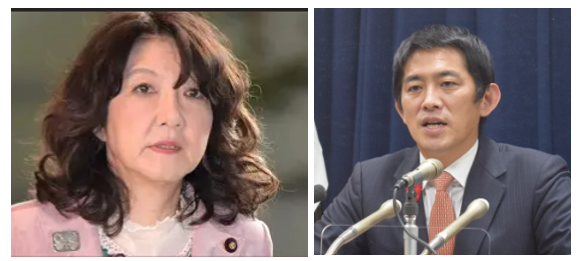
and Chairman of the Policy Research Council Kobayashi
財務省の「絶対権力」を打破/Break the Ministry of Finance’s “Absolute Power”
財務省の「緊縮路線」とは政治家を黙らせる官僚政治の「最強の楯」でした。この政策の前で政治家は無力であり、そのおかげで日本人が増税で苦しめらてきたのです。そこで生まれた言葉が 「失われた30年」。この最大の弊害は、景気低迷期にもかかわらず財政再建を最優先し、デフレ脱却を遅らせた緊縮財政にありました。
The Ministry of Finance’s “austerity policy” was the “strongest shield” of bureaucratic politics, silencing politicians. Politicians were powerless in the face of this policy, and as a result, the Japanese people have suffered from tax increases. The term “lost 30 years” was born from this. The biggest drawback was the austerity policy that prioritized fiscal consolidation even during an economic downturn, delaying the escape from deflation.
この鉄壁の緊縮路線に風穴を開けたのは、皮肉にも財務省出身の二人のキーマンでした。そのひとりが 片山さつき 財務大臣 で、「財政の帳尻合わせだけが目的ではない」と発言し、成長を優先する積極財政を掲げ、緊縮路線に公然と反旗を翻しました。もう一人が小林鷹之 自民党政調会長で、彼は、財務省の金科玉条であった「税収上ぶれ分は国債償還に回す」という原則を否定し、国民還元のための活用を容認した。
Ironically, it was two key figures from the Ministry of Finance who opened a breach in this ironclad austerity line. One of them was Satsuki Katayama, the Minister of Finance, who stated that “the only goal is not to balance the budget” and publicly rebelled against the austerity line, advocating for a proactive fiscal policy that prioritizes growth. The other was Takayuki Kobayashi, the chairman of the Liberal Democratic Party’s Policy Research Council, who denied the principle that “any surplus in tax revenue should be used to redeem government bonds,” which had been the inviolable rule of the Ministry of Finance, and allowed it to be used for returning benefits to the people.
この「内部からの革命」により、財務省の築いた法網は内側から崩壊。長らく政治の自由度を奪ってきた緊縮の呪縛が解かれ、日本は「成長なくして財政健全化なし」という新たな基本方針のもと、動き出したのです。
This “revolution from within” has caused the web of laws built by the Ministry of Finance to collapse from the inside. The spell of austerity, which had long deprived politics of its freedom, was broken, and Japan has set in motion under a new basic policy of “no fiscal soundness without growth.”
国民と未来への還元/Return to the people and the future
税収上ぶれ(予想を上回る税収)を国民と未来へ還元 転換の具体的な成果は、2024年度に記録された過去最高の税収(75.2兆円)の使い道に現れています。従来なら国債償還に隠されていた5.6兆円の上ぶれ分が、国民の生活と国防という喫緊の課題に振り向けられました。
Returning Increased Tax Revenue (Tax Revenue Exceeding Expectations) to the People and the FutureThe concrete results of this shift are evident in the use of the record-high tax revenue (75.2 trillion yen) recorded in fiscal year 2024. The 5.6 trillion yen surplus, which would have previously been allocated to national debt redemption, has been directed towards pressing issues such as the people’s livelihoods and national defense.
国民生活の負担軽減の手始めは「ガソリン暫定税率」の廃止です。年間1.5兆円を財源に、51年間も暫定的に継続されてきたガソリン暫定税率の廃止が決定されました。これによりガソリン価格は1リットルあたり約25.1円値下げされ、家計や運送・農業といった基幹産業の負担が大きく軽減されます。
The first step in reducing the burden on people’s daily lives is the abolition of the “provisional gasoline tax rate.” With an annual revenue of 1.5 trillion yen, the abolition of the provisional gasoline tax rate, which has been provisionally continued for 51 years, has been decided. This will reduce the gasoline price by approximately 25.1 yen per liter, significantly reducing the burden on households and key industries such as transportation and agriculture.
さらに、上ぶれ分と決算剰余金を活用することで、増税なしで防衛費の増額を実現します。GDP比2%の目標を2027年度から2025年度に前倒しで達成し、安全保障上の現実に対応しました。
Furthermore, by utilizing the upside and retained earnings, we will achieve an increase in defense spending without raising taxes. We moved up the target of 2% of GDP from fiscal year 2027 to fiscal year 2025, addressing the realities of security.
歳出改革と予算の徹底精査/Spending reform and thorough budget review
効果が見えないとして、国民の批判が集中していた「子ども家庭庁」の7.3兆円の予算に対し、徹底的な精査と無駄の削減が開始されました。これにより生まれた財源は、さらに有効性の高い分野に振り向けられる予定です。また、2024年度の「男女共同参画参画基本計画関係予算」は全体で10兆円を超える規模と言われますが、この使途にも不透明な部分が多く、見直しの対象となると思われます。
Due to public criticism focusing on the “Children and Families Agency” and its 7.3 trillion yen budget, as the effects were not visible, a thorough review and reduction of waste has begun. The funds generated from this will be allocated to more effective areas. In addition, the “Basic Plan for Gender Equality” related budget for fiscal year 2024 is said to exceed 10 trillion yen in total, but there are many unclear aspects to its use, and it is expected to be subject to review.
ちなみに、自衛官24万人の人件費、護衛艦や航空機などを含む費用8.7兆円(2025年度)の防衛費と、「こども家庭庁」の7.3兆円や「男女共同参画」の10兆円規模の予算、はあまりにも不均衡と疑問がありました。
By the way, there were questions about the imbalance between the defense budget of 8.7 trillion yen (fiscal year 2025), which includes personnel expenses for 240,000 Self-Defense Force personnel, escort ships, and aircraft, and the budgets of the “Children and Families Agency” at 7.3 trillion yen and “Gender Equality” at 10 trillion yen.
失われた30年からの脱却/Breaking free from the Lost 30 Years
長引くデフレと低成長により、「失われた30年」で国民が最も失ったのは、「未来への希望」と「政治への信頼」でした。賃金は上がらず、増税議論ばかりが先行し、国は静かに衰退していくという閉塞感が蔓延していたのです。高市政権の今回の決断は、この閉塞感を打ち破り、「税金は国民のために使われる」という当たり前の原則を取り戻す第一歩となります。
Due to prolonged deflation and low growth, what the people lost most during the “Lost 30 Years” was “hope for the future” and “trust in politics.” Wages did not rise, discussions about tax increases took precedence, and a sense of stagnation spread, with the country quietly declining. The decision made by the Takaichi administration this time is the first step in breaking this sense of stagnation and restoring the obvious principle that “taxes are used for the people.”
もちろん、積極財政への転換には、国際情勢や金利、物価への影響など、新たなリスクも伴います。しかし、立ち止まり続けることが「国の静かな死」を意味する中、今回の転換は、日本が再び成長への道筋を探るための再出発を意味します。
Of course, shifting to proactive fiscal policy involves new risks, such as the impact on the international situation, interest rates, and prices. However, as remaining stagnant means the “quiet death of the nation,” this shift signifies a new departure for Japan to explore a path towards renewed growth.
財務省という巨大な壁を乗り越え、国民の生活実感に直結する政策を断行したことは、日本の未来を変える大きな一石です。私たちは今、長年の停滞を終え、新たな時代の胎動を肌で感じています。「失われた30年からの脱却」が今、始まろうとしているのです。
Overcoming the enormous hurdle of the Ministry of Finance and implementing policies directly connected to the people’s daily lives is a major step towards changing Japan’s future. We are now ending years of stagnation and feeling the stirrings of a new era. The “escape from the lost 30 years” is now about to begin.