水面下で起きている構造変化/Structural changes taking place underwater
地政学的緊張が高まるいま、日本の海運技術が静かに注目を集めています。自動車産業、あるいは半導体やAI技術の開発などが報道される一方で、造船業界では構造変化が起こっています。造船業は長らく中国や韓国が、その生産規模で日本を上回っていました。
Geopolitical tensions are rising, and Japan’s maritime technology is quietly gaining attention. While industries like automobile manufacturing, semiconductor development, and AI technology often dominate headlines, structural changes are taking place in the shipbuilding sector. For a long time, China and South Korea have surpassed Japan in terms of production scale in shipbuilding.
しかしこの二国の船舶の品質は日本の高度造船技術の足元にも及びませんでした。中韓が造船ビジネスで日本に勝つには安価な素材、大幅なダンピング、さらに政府資金の援助が必要でした。これらのことがあって、中韓は造船業界における優位を保ってきたのです。
However, the quality of these two countries’ ships did not even come close to Japan’s advanced shipbuilding technology. In order for China and South Korea to beat Japan in the shipbuilding business, they needed cheap materials, significant dumping, and government funding. With these things in place, China and South Korea have maintained their dominance in the shipbuilding industry.
もともと、中国や韓国の造船技術は日本からの技術移転でした。日本の造船業には100年以上の高度技術の蓄積がありました。日本には、大量かつ大規模に軍艦、潜水艦、さらに商船を造り続け、太平洋を挟んで米国、英国などと激突した経験があったのです。海洋国家として、日本には古くから造船技術の実績と蓄積があったのです。
Originally, shipbuilding technology in China and South Korea was transferred from Japan. The Japanese shipbuilding industry had accumulated over 100 years of advanced technology. Japan had the experience of continuously building a large number and scale of warships, submarines, and even merchant ships, and clashing with the United States, the United Kingdom, and others across the Pacific Ocean. As a maritime nation, Japan has a long history of achievements and accumulation of shipbuilding technology.
衰退した米国の造船技術/U.S. Shipbuilding Technology in Decline
ここ最近、米国海軍の艦船の修理、メンテナンスも日本の造船所で行われるようになっています。日本に母港をもつ米第七艦隊にとって、米国本土へ戻ってメンテナンスすることを考えると、日本でのメンテナンスは大幅なコストカットになります。さらに米海軍の日本の技術に対する信頼度が高いことも重要です。すでに述べた通り、米本土では造船技術が衰退していて、ドックなどの受け入れ設備も老朽化してしまいました。
In recent years, Japanese shipyards have also been carrying out repairs and maintenance of U.S. Navy ships. For the U.S. Seventh Fleet, maintenance in Japan represents a significant cost reduction compared to returning to the U.S. mainland for maintenance. Furthermore, the U.S. Navy has a high degree of trust in Japanese technology. As already mentioned, shipbuilding technology in the U.S. mainland has declined, and the receiving facilities such as docks have also deteriorated.
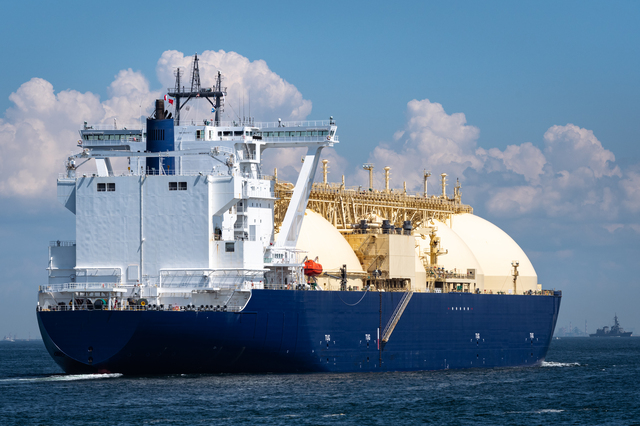
中国や韓国の造船業が盛んな時期、日本の造船業は液化天然 ガスを運ぶ大型特殊船舶、その他特殊な技術を必要とする船舶の生産で凌いできたのです。これら船舶は安価な材料で大量生産するわけにはいきません。日本の高度精密技術がなくては生産できない特殊な船舶であり、他国技術が及ばない領域なのです。
When the shipbuilding industries of China and South Korea were flourishing, the Japanese shipbuilding industry survived by producing large, specialized ships for transporting liquefied natural gas and other ships requiring special technology. These ships cannot be mass-produced with inexpensive materials. They are specialized ships that cannot be produced without Japan’s advanced precision technology, an area that other countries’ technologies cannot reach.
海洋国家日本の「見えない資源」/Japan’s “Invisible Resources” as a Maritime Nation
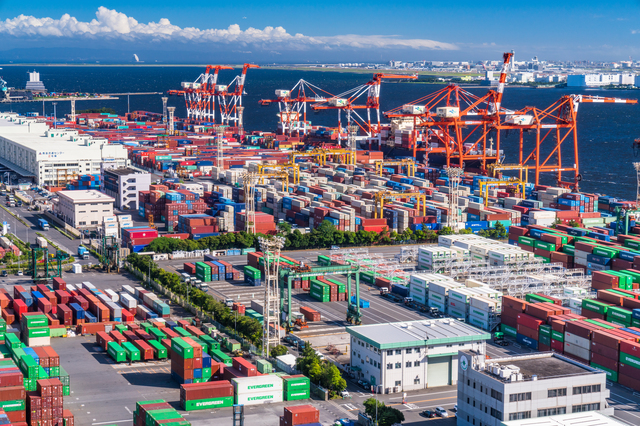
日本は海に囲まれた島国ですから、造船業を衰退させるわけにはいきません。まさに海洋交通は大昔から日本経済の生命線だったのです。さらに重要なのは、世界のシーレーンを日本が知り尽くしているという事実です。我が国の貿易の99.6%は海運によるものです。日本の近海はコンテナを満載した巨大タンカーが常に多数航行しています。
Because Japan is an island nation surrounded by the sea, we cannot allow the shipbuilding industry to decline. Indeed, maritime transport has been the lifeline of the Japanese economy since ancient times. What is even more important is the fact that Japan knows the world’s sea lanes inside and out. 99.6% of our country’s trade is by sea. In the waters near Japan, many giant tankers fully loaded with containers are constantly navigating.
天然資源に乏しい日本は、海洋という広大な地域を資源と考えています。日本が張り巡らせた海上のネットワーク。それは世界の隅々まで及び、他国の追従を許しません。食料や資源を国内で生産し流通できる国は、海洋ネットワークの重要性を理解できないかも知れません。しかし、この目には見えないネットワークは、四方を海に囲まれ、孤立している日本の巨大な資源なのです。
Lacking in natural resources, Japan considers the vast ocean as a resource. The maritime network that Japan has developed extends to every corner of the world, unmatched by any other country. Countries that can produce and distribute food and resources domestically may not understand the importance of this maritime network. However, this invisible network is a massive resource for Japan, an isolated island nation surrounded by the sea.
大航海時代との対比/Contrast with the Age of Discovery
日本に覇権国になろうなどの野望は全くありません。大規模な化石エネルギーを掘り当てて経済的強国になろうという意識もありません。しかし日本は島国であるが故に、高い造船技術を維持しつつ、積極的に海洋に進出して世界のシーレーンを把握しているのです。
Japan has no ambitions of becoming a hegemonic nation. It also lacks the intention to discover large-scale fossil energy reserves to become an economic powerhouse. However, as an island nation, Japan actively ventures into the seas while maintaining advanced shipbuilding technology, thereby keeping a firm grasp on the world’s sea lanes.
かつて大英帝国やオランダ、スペイン、ポルトガルが世界の海に進出し植民地を拡大してきました。これらの国々が背景としたのは強大な「軍事力と野望」という武器でした。そして現代、「技術と信頼」という武器を手にして、大航海時代を担った国々に代って登場したのが日本ということです。
In the past, Great Britain, the Netherlands, Spain, and Portugal advanced into the world’s oceans and expanded their colonies. Behind these countries was the weapon of formidable “military power and ambition.” And in modern times, armed with the weapons of “technology and trust,” Japan has emerged to take the place of the countries that led the Age of Exploration.
海上に築かれた信頼網/A trust network built on the sea
日本は通商や航路の開発、さらに研究開発や技術の蓄積、そして信頼の構築をもって、世界の海を平和的に支配してきました。その行く手にほとんど対立や紛争はありません。何故なら、それは融和、協調がつくり上げたシステムだからです。そしてこの広大なシステムは日本だけではなく、世界規模の財産となっているのです。こうして築かれた海の信頼網こそ、日本が世界に示す平和のかたちなのです。
Japan has peacefully controlled the world’s oceans through trade, the development of sea routes, furthermore, research and development, the accumulation of technology, and the building of trust. There is hardly any conflict or dispute in its path because it is a system created by reconciliation and cooperation. And this vast system is not just a Japanese asset, but a global one. This network of trust on the seas, built in this way, is the form of peace that Japan shows to the world.