漢字廃止論/Abolish Kanji Theory
日本語は世界で最も難解な言語のひとつだとよく言われます。日本国内でもその複雑さを問題視し、改革を目指した人々がいました。その代表格が「日本郵便の父」として知られる前島密(1835~1919)です。彼は「切手(きって)」、「葉書(はがき)」、「手紙(てがみ)」、「小包(こづつみ)」、「書留(かきとめ)」、「為替(かわせ)」といった郵便用語を、全て古来の「やまとことば」で考案しました。
Japanese is often said to be one of the most difficult languages in the world. Even within Japan, there were people who saw its complexity as a problem and aimed for reform. A prime example is Hisoka Maejima (1835-1919), known as the “Father of Japanese Post.” He devised all postal terms such as “切手 (kitte)” (stamp), “葉書 (hagaki)” (postcard), “手紙 (tegami)” (letter), “小包 (kozutsumi)” (parcel), “書留 (kakitome)” (registered mail), and “為替 (kawase)” (money order) entirely from ancient “yamato kotoba” (native Japanese words).
福澤諭吉(1835~1901)もまた『文字之教』の中で漢字の段階的廃止と仮名への移行を主張しました。幕末の企業家で外交官としても活躍した清水卯三郎(1829~1910)も漢字廃止を強力に推進し、平仮名専用を唱えるほどでした。彼らは皆、将来の日本を憂い、難解すぎる日本語では西洋の技術に追いつけず、国際社会で劣勢に追い込まれると危惧したのです。
In “The Teaching of Writing,” Yukichi Fukuzawa (1835-1901) also advocated for the gradual abolition of kanji and a shift to kana. Uzaburo Shimizu (1829-1910), an entrepreneur and diplomat active during the late Edo period, strongly promoted the abolition of kanji, even advocating for the exclusive use of hiragana. They were all concerned about the future of Japan, fearing that with a Japanese language that was too difficult, they would not be able to catch up with Western technology and would be at a disadvantage in the international community.
漢字の驚異的な造語能力/The amazing word-formation ability of Kanji.
しかし、彼らの熱い漢字廃止の情熱もむなしく、漢字は廃れるどころか、まるで生き物のように増殖を続けました。近代化の波が押し寄せた幕末以降、西洋から導入された膨大な数の新しい概念は「やまとことば」で表現に限界がありました。そこで、西洋の概念や文物は漢字の造語能力を活かした「和製漢語」として日本語に取り込まれていきました。
However, their passionate desire to abolish kanji was in vain, and far from disappearing, kanji continued to proliferate as if they were living things. After the end of the Edo period, with the wave of modernization, the vast number of new concepts introduced from the West exceeded the expressive limits of “yamato kotoba” (native Japanese words). Therefore, Western concepts and things were incorporated into Japanese as “Wasei-kango” (Japanese words of Chinese origin) that made use of kanji’s ability to create new words.
「文化」、「文明」、「民族」、「思想」、「法律」、「経済」、「資本」、「階級」、「警察」、「分配」、「宗教」、「哲学」、「理性」、「感性」、「意識」、「主観」、「客観」、「科学」、「物理」、「化学」、「分子」、「原子」、「質量」、「固体」、「液体」、「時間」、「空間」、「理論」、「文学」、「電話」、「美術」、「喜劇」、「悲劇」、「民主主義」、「社会主義」、「共産主義」・・・などなど多数。現代の私たちの思考の根幹をなすこれらの言葉は、漢字が持つ圧倒的な造語能力によって生み出されたのです。前島や福沢が想像できなかったスピードで、漢字は日本の近代化を強力に後押ししました。
Culture, civilization, ethnicity, thought, law, economics, capital, class, police, distribution, religion, philosophy, reason, sensibility, consciousness, subjectivity, objectivity, science, physics, chemistry, molecule, atom, mass, solid, liquid, time, space, theory, literature, telephone, fine arts, comedy, tragedy, democracy, socialism, communism… and many more. These words, which form the foundation of our modern thinking, were created by the overwhelming coining power of kanji. At a speed that Maejima and Fukuzawa could not have imagined, kanji strongly supported Japan’s modernization.
漢字に隠されたアドバンテージ/Advantage hidden in Kanji
前島、福沢らの漢字廃止論は、漢字の持つ驚異的な生命力と造語力の前に潰えました。しかし、その「敗北」は、結果として日本人に思わぬ「強み」をもたらしたのかもしれません。
The proposals to abolish kanji by figures like Maejima and Fukuzawa were crushed by the incredible vitality and word-formation power of kanji. However, this “defeat” may have inadvertently brought an unexpected “strength” to the Japanese people.
現代の日本人は、多岐にわたる漢字の組み合わせから意味を推測し、複雑な文脈を読み解くという、世界でも稀に見る「知的な脳トレ」を日常的にこなしています。漢字の表意文字としての特性は、限られた文字数で膨大な情報を伝え、新しい概念を瞬時に表現することを可能にしました。これは、情報過多の現代社会において、迅速な理解と深い思考を両立させる上で、とてつもないアドバンテージとなっています。
Modern Japanese people routinely engage in a form of “intellectual brain training” that is rare worldwide, inferring meaning from a wide range of kanji combinations and interpreting complex contexts. The ideographic nature of kanji allows for the transmission of vast amounts of information with a limited number of characters and the instantaneous expression of new concepts. This provides a tremendous advantage in today’s information-saturated society, allowing for both rapid understanding and deep thinking.
もし、タイムマシンで現代の日本に前島や福沢を連れてきたら、彼らは驚愕するでしょう。自らが危惧した「難解さ」が、今や日本人の知的好奇心を刺激し、思考力を高める隠れた「最強カード」となり、国際社会で戦い抜くためのユニークな武器となっているのですから。
If Maejima or Fukuzawa were brought to modern Japan via time machine, they would be astonished. The “difficulty” that they themselves feared has now become a hidden “strongest card” that stimulates the intellectual curiosity of the Japanese people and enhances their thinking ability, serving as a unique weapon for fighting through the international community.
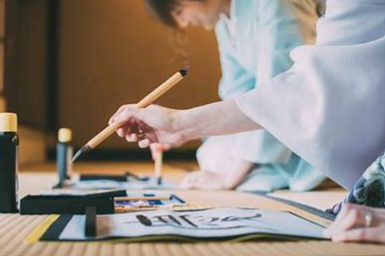
漢字は、単なる文字の羅列ではありません。それは、日本人の思考様式、文化、そして知性そのものを形作ってきた、生きた遺産です。さらに驚くことに、書道では文字そのものが「芸術」の領域に達していることも、日本語の大きな魅力となっているのです。そしてこれからも、私たち日本人はこの「漢字文化」を決して捨て去ることは無いでしょう。確かに日本語は難しいです。しかし多くの日本人は、日本語文化が大好きなのです。日本人は漢字で学び、ひらがなとカタカナを駆使して、さらに世界を驚かせる新たな価値を次々と創造していくに違いありません。
Kanji are not just a string of characters. They are a living legacy that has shaped the Japanese way of thinking, culture, and intellect itself. What’s even more amazing is that in calligraphy, the characters themselves have reached the realm of “art,” which is a major attraction of the Japanese language. And we Japanese will never abandon this “kanji culture.” Certainly, Japanese is difficult. However, many Japanese people love the Japanese culture. Japanese people learn with Kanji, make full use of Hiragana and Katakana, and will surely continue to create new value that surprises the world.