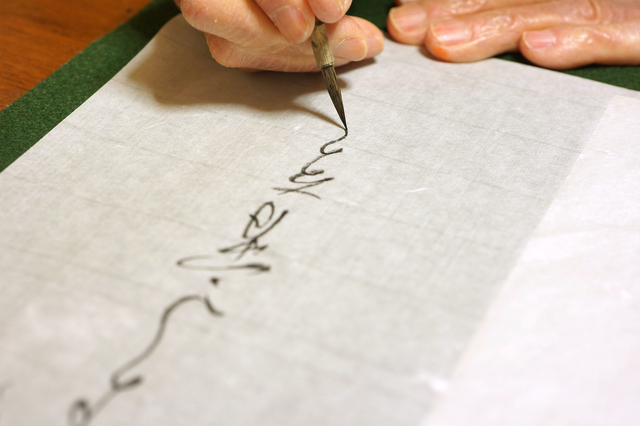
/The Era of Writing in Japanese and Thinking in Japanese
- 分断の時代を繋ぐ日本語の価値/The value of Japanese in connecting an era of division.
- 対立を避ける「言葉の緩衝材」/Word buffers to avoid conflict
- 「私」ではなく「私たち」を主語にする言語/A language that makes “we” the subject instead of “I”.
- AI技術と日本語の役割/AI Technology and the Role of the Japanese Language
- 日本語が担う持続可能な社会/Japanese Language for a Sustainable Society
- 日本語が紡ぐ「共存の哲学」/Philosophy of Coexistence” spun by the Japanese language
分断の時代を繋ぐ日本語の価値/The value of Japanese in connecting an era of division.
フランスの経済学者トマ・ピケティが、著書『21世紀の資本』で世界の格差拡大の法則を説く中、日本を「格差の時代における稀有な例外」と呼んだ事実は、世界に静かな衝撃を与えました。
French economist Thomas Piketty quietly shocked the world when he called Japan a “rare exception in an age of inequality” in his book “Capital in the Twenty-First Century,” in which he explained the laws of widening global inequality.
日本の安定の背景には、手厚い相続税や戦後の農地改革といった制度的な要因だけでなく、経済学の視点では見過ごされがちだった「文化」と、その根幹を成す「日本語の力」が深く関わっています。世界が競争と分断に揺れる今、日本語が持つ文化的・哲学的な価値は、人類が目指すべき未来図を示す「羅針盤」として、その役割を増すと予測されます。
The stability of Japan is rooted not only in institutional factors such as generous inheritance taxes and postwar agricultural land reforms, but also deeply intertwined with “culture,” often overlooked from an economic perspective, and the “power of the Japanese language” that forms its foundation. As the world grapples with competition and division, the cultural and philosophical values inherent in the Japanese language are expected to play an increasing role as a “compass” indicating the future direction humanity should aim for.
日本の安定は、OECDのジニ係数(所得や資産の不平等度を測る指標)が欧米諸国より低い数値を示すなど、数字の上でも裏付けられています。しかし、その真の力は、人々が日々の暮らしで交わす言葉に隠されています。日本語は単なる情報伝達の道具ではなく、社会の調和を保つための「心理的安全装置」として機能しているのです。
Japan’s stability is supported by figures such as the OECD’s Gini coefficient (an index that measures income and asset inequality), which is lower than that of European and American countries. However, its true strength is hidden in the words people exchange in their daily lives. The Japanese language is not just a tool for conveying information, but functions as a “psychological safety device” for maintaining social harmony.
対立を避ける「言葉の緩衝材」/Word buffers to avoid conflict
日本語の「敬語(尊敬語・謙譲語)」や「曖昧表現」は、一見すると非効率に見えますが、その本質は対立を避け、相手への敬意と配慮を示す「緩衝材」です。
Japanese “honorifics (respectful language and humble language)” and “vague expressions” may seem inefficient at first glance, but their essence is to avoid conflict and act as a “buffer” showing respect and consideration for the other party.
敬語は話してと聞き手の関係を常に意識させ、相互の立場を尊重するバランス感覚を日常的に養います。間接表現として「難しいです」「検討します」「考える必要があります」などの表現があります。これらの曖昧表現は明確な「No」を避け、相手の感情を乱さないよう配慮する知恵であり、職場や地域社会における摩擦を最小限に抑えます。
Keigo (honorific language) constantly makes the speaker and listener aware of their relationship, fostering a sense of balance that respects each other’s positions in daily life. Indirect expressions include phrases like “it is difficult,” “I will consider it,” and “it is necessary to think about it.” These vague expressions are a wisdom that avoids a clear “No” and takes care not to upset the other person’s feelings, minimizing friction in the workplace and local community.
これらの言葉の構造は、個人の成功より集団の調和を優先する「和の思想」を体現しており、競争社会で疲弊し、分断が深まるグローバル社会にとって、人間関係を柔らかく結び直す「和の資本」として再評価されつつあります。
These words embody the “harmony thought” that prioritizes group harmony over individual success, and are being re-evaluated as “harmony capital” that softly reconnects human relationships for a global society exhausted by competitive society and deepening division.
「私」ではなく「私たち」を主語にする言語/A language that makes “we” the subject instead of “I”.
日本語には、「お互い様」「おかげ様」「お裾分け」といった、個人の利益より共同の幸福を前提とする言葉が豊富に存在します。特に主語がしばしば省略される文法構造は、「私」よりも「みんな」「大勢」や「全員」「共同体」を前提とする社会構造を反映しています。
Japanese has a rich vocabulary of words like “Otagaisama,” “Okagesama,” and “Osusowake,” which presuppose communal happiness over individual profit. In particular, the grammatical structure in which the subject is often omitted reflects a social structure that presupposes “everyone,” “the majority,” “all members,” and “community” rather than “I.”
この「私たち」を主語とする文化は、災害時における略奪の少なさや、企業における集団での成果追求といった形で発現し、ピケティが唱える「連帯の社会」が、制度だけでなく文化によっても支えられ得ることを証明しています。
The culture with “us” as the subject manifests itself in the low incidence of looting during disasters and the pursuit of collective achievement in companies, demonstrating that Piketty’s “solidarity society” can be supported not only by institutions but also by culture.
AI技術と日本語の役割/AI Technology and the Role of the Japanese Language
日本語が持つ哲学的価値は、現代世界が直面する大きな危機への対応です。それはAI技術によるテクノロジーの進化において、特に重要な役割を果たすと予測されます。
The philosophical value of Japanese has implications for addressing the major crises facing the modern world. It is predicted to play a particularly important role in the technological evolution brought about by AI technology.
世界が「人間を超えるAI」を開発する方向に進む中、日本は「人間支援型AI」の開発に特筆すべき力を入れています。これは、AIを支配すべき道具ではなく、「共に働く仲間」と捉える日本語的な感覚に根ざしています。そこには「思いやり」の設計思想があり、日本のロボットは、単なる効率性ではなく、人間の表情を読み取り、「共感」できるように設計されています。
As the world moves towards developing “AI that surpasses humans,” Japan is focusing its efforts on developing “human-support AI.” This is rooted in the Japanese sense of viewing AI not as a tool to be controlled, but as a “partner to work with.” There is a design philosophy of “compassion” there, and Japanese robots are designed not just for efficiency, but to read human expressions and “empathize.”
日本開発のAIが、人々の仕事や生活に深く入り込む未来において、日本語が育んだ「相手を尊重し、思いやる」という価値観は、技術が暴走せず、人間的な倫理観を伴うための倫理的指針(羅針盤)として、世界中のAI開発に影響を与えていくでしょう。
In a future where AI developed in Japan deeply integrates into people’s work and lives, the values of “respecting others and being considerate,” cultivated by the Japanese language, will influence AI development worldwide as an ethical compass to ensure technology does not run wild and is accompanied by human ethics.
日本語が担う持続可能な社会/Japanese Language for a Sustainable Society
気候危機が深刻化する中、無限の経済成長を追求する資本主義モデルの限界が叫ばれています。国連が提唱する「SDGs(持続可能な開発目標)」ですが、日本では生活文化として昔からこれを実践していました。ここで、日本語の持つ「分かち合い」の精神が世界的なヒントを提供します。「もったいない」という言葉は、単なる節約ではなく、対象への感謝と尊重を伴い、使い捨て文化を戒める強力な概念です。
Amidst the worsening climate crisis, the limitations of the capitalist model, which pursues infinite economic growth, are being questioned. The “SDGs (Sustainable Development Goals)” advocated by the United Nations, have long been practiced in Japan as a way of life and culture. Here, the Japanese spirit of “sharing” offers a global hint. The word “mottainai” (what a waste!) is not just about saving, but is a powerful concept that involves gratitude and respect for the object, and admonishes the throwaway culture.
この「SDGs(生活倫理)」は、経済学者らが提唱する脱成長モデルや連帯経済を目指す思想です。日本語の持つ「使いすぎず、奪わず、共に生きる」という精神は、地球規模での持続可能な生活様式への転換を促す上で、その価値を再発見されるでしょう。国連など「SDGs」推進者は日本から学ぶことになるでしょう。
This “SDGs (Ethics of Life)” is an idea advocated by economists and others that aims for a degrowth model and a solidarity economy. The spirit of the Japanese language, which means “don’t overuse, don’t take, and live together,” will have its value rediscovered in promoting a shift to a sustainable lifestyle on a global scale. Promoters of “SDGs” such as the United Nations will learn from Japan.
日本語が紡ぐ「共存の哲学」/Philosophy of Coexistence” spun by the Japanese language
日本語は、アニメやゲームといったポップカルチャーを通じて世界的な影響力を持つだけでなく、その言葉の根底に、個人主義と競争が行き詰まった現代に必要な「共存の哲学」を内包しています。ピケティが「例外」と呼んだ日本の安定は、過去の偶然の産物ではありません。「和を以て貴しと為す」という古来の知恵を、日々の言葉の積み重ねを通じて現代まで維持してきた、人類史においても稀な成功例です。
Japanese not only has a global influence through pop culture such as anime and games, but its language also inherently contains a “philosophy of coexistence” that is necessary for modern society, where individualism and competition have reached a deadlock. The stability of Japan, which Piketty called an “exception,” is not a product of past coincidence. It is a rare success story in human history, where the ancient wisdom of “harmony is to be valued” has been maintained to the present day through the accumulation of daily language.
分断と対立が深まる世界において、日本語は、テクノロジーと人間、そして人間同士を再び繋ぎ直す「橋渡し役」として、ますますその存在感を高めていくでしょう。それは、経済的な豊かさではなく、心の豊かさと連帯の力で未来を切り拓く、新しい文明の形を世界に示唆しています。
In a world where division and confrontation deepen, Japanese will increasingly enhance its presence as a “bridge” to reconnect technology and people, and people with each other. It suggests to the world a new form of civilization that carves out the future not with economic wealth, but with the richness of the heart and the power of solidarity.