今だけ、金だけ、自分だけ/Only now, only money, only me.
日本人が嫌い、軽蔑するのは「今だけ、金だけ、自分だけ」という人物です。この価値観は、短期的な利益や自己中心的な行動を優先するものであり、競争社会の負の側面を象徴しています。少なくとも多くの日本人は、他人からそのような評価を受けないように努力し、社会の調和を大切にする姿勢を持っています。
People who prioritize “now, money, and themselves” are disliked and despised by Japanese people. This value system prioritizes short-term gains and self-centered behavior, symbolizing the negative aspects of a competitive society. At least many Japanese people strive not to be evaluated that way by others and value a sense of social harmony.
日本の文化において、「今だけ」の考え方は、過去の経験を無視し、未来への責任を軽視するものと捉えられます。日本人は、歴史を尊重し、未来の世代の幸福を考えながら行動することを重視してきました。これは、長い年月をかけて培われた価値観であり、社会全体の安定と持続可能性を支える重要な要素です。
In Japanese culture, the idea of “just for now” is seen as disregarding past experiences and neglecting responsibility for the future. Japanese people have traditionally placed importance on respecting history and acting with consideration for the well-being of future generations. This is a value that has been cultivated over many years and is an important element supporting the stability and sustainability of society as a whole.
また、「金だけ」を追求する姿勢は、日本の伝統的な価値観とは相容れません。日本文化では、富や物質的な成功よりも、人間性や精神的な豊かさが重視されます。例えば、茶道や武道、書道などの「道の文化」は、単なる技術の習得ではなく、精神性を磨き、人格を高めることを目的としています。これらの文化は、日本人の生き方に深く根付いており、単なる経済的な成功を超えた価値を持っています。
Also, the attitude of pursuing “money only” is incompatible with traditional Japanese values. In Japanese culture, humanity and spiritual richness are valued more than wealth and material success. For example, “the culture of the Way,” such as tea ceremony, martial arts, and calligraphy, aims not only to acquire skills but also to refine spirituality and enhance character. These cultures are deeply rooted in the Japanese way of life and have value beyond mere economic success.
さらに、「自分だけ」の考え方は、日本社会の共同体意識と対立します。日本人は、家族や地域社会、さらには国全体の幸福を願い、個人の利益よりも集団の調和を優先する傾向があります。この精神は、災害時の助け合いや、日常生活における礼儀や気遣いにも表れています。日本の社会構造は、個人主義よりも協調性を重視するため、「自分だけ」の考え方は受け入れられにくいのです。
Furthermore, the “only myself” way of thinking clashes with the sense of community in Japanese society. Japanese people tend to desire the happiness of their families, local communities, and even the entire nation, and prioritize the harmony of the group over individual interests. This spirit is manifested in mutual assistance during disasters, as well as in politeness and consideration in daily life. Because Japan’s social structure emphasizes cooperation rather than individualism, the “only myself” way of thinking is not easily accepted.
「今だけ、金だけ、自分だけ」という価値観が競争社会の中で黙認されると、社会の分断や対立が深まり、最終的には戦争や紛争につながる可能性があります。欧米の個人主義には、人々の個性や才能を伸ばすという肯定的な側面もありますが、過度な競争が自己中心的な行動を助長し、社会の不安定化を招くこともあります。
If the values of “only now, only money, and only oneself” are tolerated in a competitive society, social divisions and conflicts will deepen, potentially leading to war and strife. Western individualism has the positive aspect of developing people’s individuality and talents, but excessive competition can encourage self-centered behavior and destabilize society.
武士道の対極にあるもの/The Opposite of Bushido
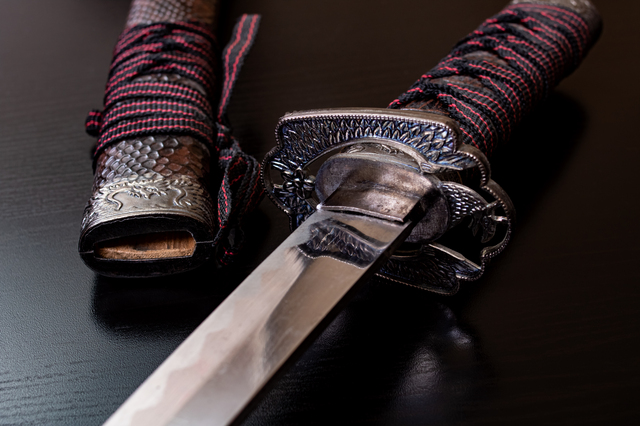
武士道の精神は、多くの日本人の心の中に息づいています。この精神は、単なる戦いの技術ではなく、平和を維持し、社会の安定を図るための哲学です。武士道における「武力」「武芸」「武術」「武技」は、相手を打ち負かして勝利を喜ぶものではなく、戦いを治めるための手段として存在します。これは、日本の歴史において、戦乱を終わらせ、平和を築くために重要な役割を果たしてきました。
The spirit of Bushido lives on in the hearts of many Japanese people. This spirit is not just a fighting technique, but a philosophy for maintaining peace and promoting social stability. In Bushido, “military power,” “martial arts,” “military arts,” and “martial skills” are not about defeating the opponent and rejoicing in victory, but exist as a means to end conflict. This has played an important role in Japanese history in ending wars and building peace.
また、日本には古くから「道の文化」があり、これは人生を極め、豊かにするためのものです。「道の文化」は、芸術、工芸、商売、趣味、人的交流、そして先端技術に至るまで、あらゆる分野に息づいています。これらの文化は、日本人の精神性を育み、社会の調和を支える重要な要素となっています。
Also, Japan has a long-standing “way of life” culture, which is meant to perfect and enrich life. This “way of life” culture is alive in all fields, from art, crafts, commerce, hobbies, and human interaction to cutting-edge technology. These cultures nurture the spirituality of the Japanese people and are important elements that support the harmony of society.
このような価値観を受け継いできた日本人のDNAは、「労力を惜しまず未来のために、金儲けではなく精神的豊かさを求めて、世界の人々の利益のために」という理念に基づいています。つまり、「今だけ、金だけ、自分だけ」という考え方は、行き過ぎた個人主義であり、競争社会の悪しき側面です。そしてこれらは、武士道の対極にある価値観なのです。
The DNA of the Japanese people, who have inherited these values, is based on the philosophy of “sparing no effort for the future, seeking spiritual wealth rather than monetary gain, and working for the benefit of people around the world.” In other words, the idea of “only for the present, only for money, only for oneself” is excessive individualism and a negative aspect of a competitive society. And these are values that are diametrically opposed to Bushido.