私は「道」をテーマに記事を書いていますが、今回は特定の職業を例に挙げながら、そこに宿る「生きる実感」とは何かを語ってみたいと思います。それは、「働き方改革」のような無機質で無感動な価値観とは一線を画す、生き方そのものです。
I am writing an article on the theme of “the path,” and this time, I would like to talk about what “the feeling of being alive” that dwells there is, using specific occupations as examples. This is a way of life itself, distinct from inorganic and uninspiring values like “work style reform.”
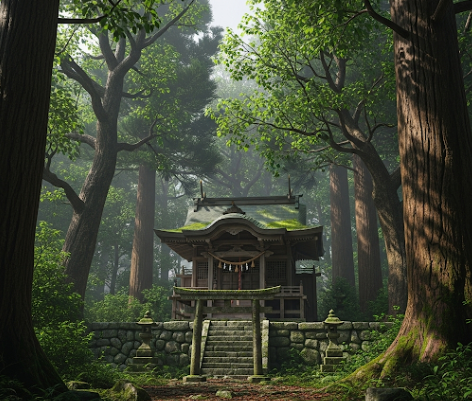
宮大工という職業/The Profession of a Miya-Daiku
今回取り上げるのは、宮大工という仕事です。彼らは、森で育った木に第二の生命を吹き込む職人。まさに、自然と人間の精神が融合する「道」の体現者と言えるでしょう。
The focus of this piece is the profession of Miya-Daiku, or shrine carpenter. They are artisans who breathe a second life into trees grown in the forest. They are truly embodiments of a “path” where nature and the human spirit merge.
宮大工の仕事は、森に入ることから始まります。一本一本の木と対話しながら、その木がどの方角を向いて育ったのか、風雪にどう耐えてきたのかを見極めます。木の性質を深く理解し、100年後、200年後にどう変化するかを見越して、適材適所に配置するのです。そのためには、すでに加工された木材ではなく、育った環境そのものを知ることが不可欠となります。
The work of a Miya-Daiku (temple carpenter) begins with entering the forest. While engaging with each tree, they discern which direction it grew facing, and how it has withstood the wind and snow. They deeply understand the nature of the wood and foresee how it will change 100 or 200 years from now, placing it in the right place accordingly. For that purpose, it is essential to know the environment in which it grew, not just the processed wood.
彼らが森で探すのは、自然の力を最大限に引き出す方法です。木肌の手触り、鉋をかけたときの音、木の香り──五感を総動員して木々と対話し、その声に耳を傾けます。これこそが、身体と精神が深く結びついた「身体知」を満たす、最高峰の作業なのです。
What they seek in the forest is a way to maximize the power of nature. The feel of the wood’s surface, the sound of the plane, the scent of the trees—they use all five senses to interact with the trees and listen to their voices. This is the ultimate work that satisfies “embodied knowledge,” where the body and mind are deeply connected.
宮大工の技術には、分厚いマニュアルなど存在しません。師匠から弟子へと、何十年もの歳月をかけて言葉にならない「暗黙知」として受け継がれていきます。寝食を共にし、師匠の背中を見て育つ日々は、単なる技術の習得期間ではありません。それは、人間としての在り方を学ぶ時間でもあるのです。
The techniques of a Miya-Daiku do not exist in thick manuals. They are passed down from master to apprentice as unspoken “tacit knowledge” over decades. Living and working together, growing up watching the master’s back, is not just a period of acquiring skills. It is also a time to learn how to be as a person.
この師弟関係は、血縁を超えた強い「帰属意識」と「信頼関係」を生み出します。弟子は日々、確実に成長していく実感を得て、師匠は自らの技と魂を次世代に繋ぐという、未来を見据えた崇高な「達成感」に満たされます。彼らの時間軸は、現代を生きる私たちのそれとはまったく異なるのです。
This master-disciple relationship creates a strong sense of “belonging” and “trust” that transcends blood relations. The disciple gains a daily sense of steady growth, while the master is filled with a sublime “sense of accomplishment” with a view to the future, connecting their skills and soul to the next generation. Their timeline is completely different from that of us living in the present.
宮大工が建てる寺社は、500年、1000年という単位で存続することを前提としています。釘を一本も使わない木組みの技術は、地震の揺れを巧みに逃し、建物全体で衝撃を吸収します。彼らは、自分の人生の長さをはるかに超えたスケールで、黙々と仕事に取り組みます。だからこそ、自らの持てる技術を惜しみなく弟子に継承するのです。
Temples and shrines built by Miya Daiku are intended to last for 500 or even 1,000 years. Their wooden construction techniques, which don’t use a single nail, cleverly deflect earthquake tremors and allow the entire building to absorb the impact. They silently dedicate themselves to their work on a scale that far exceeds the length of their own lives. That is why they generously pass on their skills to their apprentices.

職業は生きる実感/Occupation is a way of life
数百年生きてきた木に、さらに1000年先の命を与える──その壮大な時間の中に身を置くことで得られる充実感は、現代社会が求める効率やスピードとは逆行するものです。しかし、彼らの仕事はまさに「道」を体現しており、日々「生きる実感」に満ちています。
To give a tree that has lived for hundreds of years another 1,000 years of life – the sense of fulfillment gained by placing oneself within that grand span of time is the opposite of the efficiency and speed demanded by modern society. However, their work embodies the very “path,” and their days are filled with a true “sense of living.”
それは、単なる職業ではなく、祈りにも似た営み。木と語らい、人と繋がり、未来へと橋を架けるその姿は、日本人の根源的な職業観の中に息づく「道」に他なりません。そして、彼らが刻む一刀一刀の中には、「私たちは、命を継ぐ者である」という静かな自負心と責任感があるのです。
It is not merely an occupation, but a practice akin to prayer. Their work of conversing with trees, connecting with people, and building bridges to the future is none other than the “道” (way or path) that lives within the fundamental Japanese view of work. And within each stroke they carve, there lies a quiet pride and sense of responsibility: “We are the ones who carry on life.”
日本特有の「終身雇用」という制度には、宮大工に似た職業観がありました。もちろんこのような職業文化が、日本から無くなったわけではありません。それらは、日本各地にある中小企業の中に脈々と生き続けています。そしてそこに受け継がれた高度技術は、世界産業の「縁の下の力持ち」となって静かに支えているのです。
The Japanese “lifetime employment” system had a vocational outlook similar to that of a master carpenter. Of course, this kind of work culture has not disappeared from Japan. It continues to live on in small and medium-sized enterprises throughout Japan. And the advanced technology inherited there quietly supports the world’s industry as an unsung hero.