長らく日本の安全保障を担保してきた「強いアメリカが永遠に日本を守ってくれる」という前提が、今、大きく揺らいでいます。アメリカ自身が、国際的な役割を維持する「力」と、それに伴う「気力」を失いつつあるという見方が強まっています。国内では、中間層の富の喪失、暴力、麻薬中毒といった不健全さが蔓延し、米国という巨人が自らの不調に気付いたのです。
The premise that a strong America will eternally protect Japan, which has long ensured Japan’s security, is now greatly faltering. There is a growing view that America itself is losing both the “power” and the accompanying “will” to maintain its international role. Domestically, unhealthiness such as the loss of wealth among the middle class, violence, and drug addiction are rampant, and the giant that is the United States has realized its own malaise.
この内向き志向の強まりは、トランプ政権の誕生という形で顕在化しました。多くの米国民が、海外での戦争がディープステート(影の政府)や軍産複合体の利害関係による巨大ビジネスであることに気づき始め、外交・軍事政策への不信感を募らせています。
This growing inward focus manifested in the form of the Trump administration. Many Americans began to realize that wars abroad are a huge business driven by the interests of the deep state (shadow government) and the military-industrial complex, and they are growing increasingly distrustful of foreign and military policy.
- 日米安保の非対称性への疑問/Doubts about the asymmetry of the U.S.-Japan Security Treaty
- 海外駐留費用と国内問題の深刻化/Overseas stationing costs and the aggravation of domestic problems
- 「実力主義」への回帰と「ポリコレ」の排除/Return to “meritocracy” and elimination of “political correctness”.
- 在日米軍と日本の自主防衛/U.S. Forces in Japan and Japan’s Self-Defense
- 歴史的な大転換点/A historic turning point
日米安保の非対称性への疑問/Doubts about the asymmetry of the U.S.-Japan Security Treaty
日米安全保障条約に見られる関係は、極めて一方的かつ非対称です。アメリカが日本を防衛する義務を負う一方、日本にはアメリカが攻撃された場合に防衛を助ける義務はありません。
The relationship seen in the U.S.-Japan Security Treaty is extremely one-sided and asymmetrical. The United States is obligated to defend Japan, while Japan is not obligated to help defend the United States if it is attacked.
常識的に考えれば、日本に核弾頭攻撃があった場合、アメリカが報復の連鎖で本土の都市が攻撃されるリスクを冒してまで日本を守るのかという疑問は避けられません。核兵器保有国同士が多大な犠牲を払ってまで、日本のために戦うとは思えないという冷徹な現実が横たわっています。
Common sense dictates that if Japan were subjected to a nuclear attack, the question of whether the United States would defend Japan at the risk of its own cities being attacked in a retaliatory chain is unavoidable. The cold reality is that it is hard to believe nuclear-weapon states would fight for Japan at the cost of immense sacrifice.
海外駐留費用と国内問題の深刻化/Overseas stationing costs and the aggravation of domestic problems
アメリカは世界各地に約750カ所の軍事施設を持ち、17万人以上の兵員を海外に駐留させていますが、近年、米国内では「これらの海外基地の存在意義はあるのか」という疑問が広がっています。
The United States has approximately 750 military facilities around the world and stations over 170,000 troops overseas. In recent years, a question has arisen within the United States: “Is there any purpose to these overseas bases?”
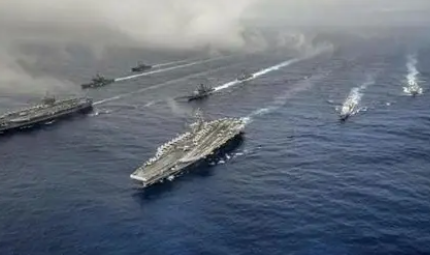
特に、世界の海に展開する空母打撃群の維持費は、ひとつの打撃群で年間約1兆円(約100億ドル)と広範な費用がかかるとされています。米国は現在11の打撃群を運用していて、多くの米国民は、この費用が本当に必要で国益に資するのか、あるいは単に軍産複合体を潤しているだけではないのかと疑問を抱いています。
In particular, maintaining a carrier strike group deployed in the world’s oceans is said to cost approximately 1 trillion yen (approximately $10 billion) annually, a substantial expense. Many Americans question whether this expense is truly necessary and serves the national interest, or whether it simply enriches the military-industrial complex.
こうした中、アメリカ国民の間では、もはや「日常的な戦争状態」は海外ではなく、不法移民や麻薬密売組織による国境の危機など、国内にあるという認識が広がり始めています。国家国防戦略(NDS)においても、中国やロシアなどの大国間競争への対抗よりも、「自国内の防衛を最優先する」方針が強調される傾向にあります。
Amidst these circumstances, a growing number of Americans are beginning to recognize that the “state of perpetual war” is no longer overseas, but rather exists domestically, in the form of border crises caused by illegal immigration and drug trafficking organizations. Even in the National Defense Strategy (NDS), there is an increasing emphasis on a policy of “prioritizing domestic defense” over competition with major powers such as China and Russia.
「実力主義」への回帰と「ポリコレ」の排除/Return to “meritocracy” and elimination of “political correctness”.
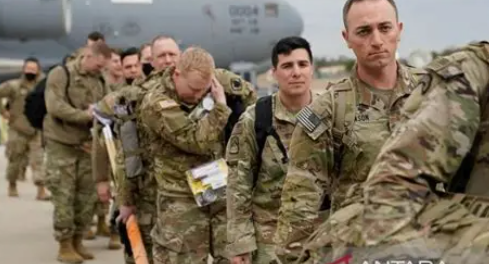
トランプ政権発足後、米軍内部でも組織の目的と効率性に関する厳しい議論が起こっています。9月30日、トランプ大統領が世界中に展開する米軍基地から、800人の将軍、提督らを一斉に招集した会合で、ピート・ヘグセス国防長官(元陸軍少佐後)は、軍の実力主義の強化を強く訴えました。
Since the Trump administration took office, there has been intense debate within the U.S. military regarding the organization’s purpose and efficiency. On September 30, at a meeting convened by President Trump with 800 generals and admirals from U.S. military bases around the world, Secretary of Defense Pete Hegseth (formerly a U.S. Army Major General) strongly advocated for strengthening the military’s meritocracy.
国防長官は実力主義の徹底を訴えます。戦う気力や体力のない者は軍に不要であり、体力測定試験の徹底と成績不良者の迅速な解雇を主張。次いで、いわゆる「ポリコレ」排除を主張。多様性、公平性、包括性(DEI)といった軍事的な実力と直接関係のない価値観に基づく思想は排除し、軍隊の目的はただ一つ「戦うこと」に集中すべきと主張。
The Secretary of Defense advocates for the thorough implementation of meritocracy. Those lacking the will or physical fitness to fight are unnecessary in the military, and he insists on rigorous physical fitness testing and the swift dismissal of those failing to meet standards. He further calls for the elimination of so-called “political correctness.” He argues that ideologies based on values like diversity, equity, and inclusion (DEI) – which have no direct relation to military capability – should be discarded, asserting that the military’s sole purpose is to focus on “fighting.”
彼はまた、ウクライナ戦争のような海外紛争への介入は軍産複合体の利益にしかならず、国益につながらないと批判し、「安全保障上の理由」という名目でアメリカの資源と兵士の命が浪費されてきたと訴えています。
He also criticizes intervention in overseas conflicts like the war in Ukraine as serving only the interests of the military-industrial complex and failing to advance national interests, arguing that American resources and soldiers’ lives have been squandered under the guise of “security reasons.”
在日米軍と日本の自主防衛/U.S. Forces in Japan and Japan’s Self-Defense
トランプ前大統領は、海外の軍事作戦よりも、国内の国境警備や治安維持に軍事資源を投入すべきだと訴えており、国内の危機こそが「戦場」であるという認識を示しています。
Former President Trump has argued that military resources should be allocated to domestic border security and law enforcement rather than overseas military operations, asserting that domestic crises are the true “battlefield.”
このようなアメリカ国内の議論と戦略転換は、在日米軍や在韓米軍の縮小、あるいは将来的な撤退に向けた動きを現実味のあるものにするでしょう。
Such domestic debates and strategic shifts in the United States will make moves toward reducing U.S. forces in Japan and South Korea, or even their eventual withdrawal, a realistic possibility.
日本は、「米国が永続的に日本の安全保障を担保する」という従来の前提の見直しを迫られています。周辺に中国、ロシア、北朝鮮といった核兵器保有国が存在するという地政学的環境下で、日米関係の長期的な依存構造を是正し、自国の防衛能力と、アジアにおける安全保障上の役割について、実証的かつ建設的な議論を深めることが喫緊の課題となっています。自主防衛体制の強化は、もはや待ったなしの状況と言えるでしょう。
Japan is being forced to reevaluate the longstanding premise that “the United States will permanently guarantee Japan’s security.” Given its geopolitical environment, surrounded by nuclear-armed states like China, Russia, and North Korea, it has become an urgent task to correct the long-term dependency structure in the Japan-U.S. relationship and deepen empirical and constructive discussions regarding Japan’s own defense capabilities and its security role in Asia. Strengthening Japan’s independent defense posture can no longer be delayed.
もちろん、高市新政権は米国の状況を理解しており、トランプ大統領との訪日初会合ではこの背景を踏まえた意思疎通が図られるでしょう。日米同盟は不均衡な関係から、真の同盟へと進化する可能性があります。トランプ氏は強い日本を求め、自国の軍事負担を軽減しようと考えているようです。
Of course, the new Takaichi administration understands the situation in the United States, and during President Trump’s first meeting in Japan, communication will be facilitated with this background in mind. The Japan-U.S. alliance has the potential to evolve from an unbalanced relationship into a true alliance. Mr. Trump appears to be seeking a stronger Japan and looking to reduce his country’s military burden.
歴史的な大転換点/A historic turning point
「民主主義」という国際的な統治構造の枠組みにおいて、米国は長年にわたり主導的役割を果たしてきました。しかし、そのリーダーシップの継続には多大な負担が伴うものでした。これは米国の国際的地位や名声、そして名誉の代償とも言えます。今後も米国が国家としてのアイデンティティを維持しつつ存続するためには、信頼できる強固な同盟国の必要性を強く認識しているのです。
Within the international governance framework known as “democracy,” the United States has long played a leading role. However, maintaining this leadership has entailed significant burdens. This can be seen as the price paid for America’s international standing, reputation, and honor. For the United States to continue to exist while preserving its national identity, it must strongly recognize the necessity of reliable, robust allies.
日本初の女性首相である高市早苗氏。米国大統領ドナルド・トランプ氏の訪日は、国際社会における日米関係のさらなる深化および発展に資するでしょう。彼女は米国の尊厳を傷つけることなく、静かに支える道を示すはずです。この日米首脳の出会いは「歴史的な大転換点」となるに違いありません。
Sanae Takaichi, Japan’s first female prime minister. U.S. President Donald Trump’s visit to Japan will contribute to the further deepening and development of Japan-U.S. relations in the international community. She should show a way to quietly support him without hurting the dignity of the United States. This meeting between the Japanese and U.S. leaders will undoubtedly be a historic turning point.