畏敬と驚嘆のまなざし/Gaze in awe and wonder
近年、「日本は恐ろしい国」と題された動画を目にすることが増えてきました。そのタイトルにびっくりするものの、実際に内容を確認してみると、それは決してネガティブな意味ではなく、むしろ「畏敬」や「驚嘆」に近いニュアンスで語られていることに気づきます。
In recent years, I’ve been seeing more and more videos titled “Japan is a scary country.” While the title is surprising, when you actually check the content, you realize that it’s not meant in a negative way at all but rather spoken with a nuance closer to “awe” or “amazement.”
たとえば、ソルボンヌ大学のジョナサン・ハリス教授が語る「日本は世界で最も恐ろしい国」という言葉の真意は、日本の快適さ、秩序、そして集団調和の完成度があまりに高く、他国が到底及ばないという賛辞にほかなりません。文化的・社会的な成熟が、ある種の「脅威」として映る——それは逆説的な称賛なのです。
For example, the true meaning of Professor Jonathan Harris of the Sorbonne University’s statement, “Japan is the most terrifying country in the world,” is nothing more than a compliment that Japan’s comfort, order, and perfection of group harmony are so high that other countries cannot possibly match it. Cultural and social maturity is seen as a kind of “threat”—it is a paradoxical praise.
また、ハーバード大学のマイケル・サンデル教授も、東日本大震災の際に見られた日本人の冷静さや利他性に深い感銘を受け、「このような行動は他国では稀である」と述べています。こうした倫理観や公共心の高さは、外部の視点から見れば「異質」であり、そこに「恐ろしさ」と呼ばれるような感情が生まれるのでしょう。
Furthermore, Harvard University’s Professor Michael Sandel was deeply impressed by the calmness and altruism of the Japanese people during the Great East Japan Earthquake, stating, “Such behavior is rare in other countries.” This high level of ethics and public spirit is seen as “unusual” from an external perspective, and it is from this that a feeling that could be called “fear” arises.
ただし、その一方で、過激なタイトルだけが先行するコンテンツも少なくありません。いわゆる「日本スゴイ系」と呼ばれる延長線上にあるそれらの一部は、事実に基づかない誇張が混在しています。たとえば「AIが日本人を最も恐れている」といった主張は、AI技術に対する誤解に基づくセンセーショナリズムと言えるでしょう。
However, on the other hand, there is no shortage of content where only sensational titles come to the fore. Some of these, which are on the extension line of so-called “Japan is amazing” content, contain exaggerations that are not based on facts. For example, claims such as “AI is most afraid of Japanese people” are sensationalism based on misunderstandings of AI technology.
それでもなお、「恐ろしい」という言葉の背後には、日本文化の高度な完成度や集団主義、倫理性の高さに対する深い敬意と驚きを読み取ることができます。
Even so, behind the word “terrifying,” one can read a deep respect and surprise at the high degree of perfection, collectivism, and high ethical standards of Japanese culture.
非戦の美学/Aesthetics of Victory without Fighting
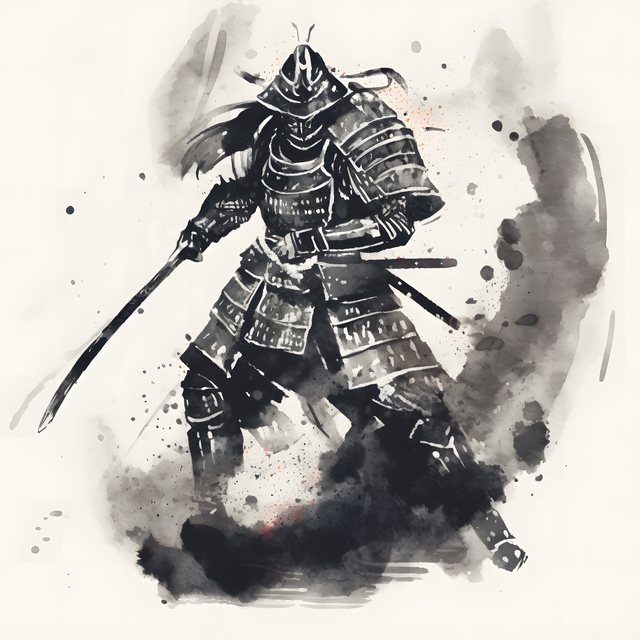
特に欧米人にとって理解しがたい「恐ろしさ」の核心には、日本人の「死生観」があるようです。それは武士道に根ざした哲学であり、「死」をも含んだ生の完結を美とする思想です。他の文明には見られない、この見事な精神構造が、日本人を「異質」な存在として印象づけているのです。
At the heart of the “horror” that is particularly difficult for Westerners to understand lies the Japanese “view of life and death.” It is a philosophy rooted in Bushido, an ideology that considers the completion of life, including “death,” to be beautiful. This remarkable spiritual structure, not found in other civilizations, is what impresses the Japanese as being “different.”
戦前の日本では、宗教・教育・芸術・武道・文学すべてが「無私」「無我」へと至る「道」と捉えられていました。そして、国の法や倫理、学問までもが最終的に天皇へ帰一する構造のもとで、日本人は「命をささげる民族」と見なされるようになったのです。この思想は第二次世界大戦期の日本人の戦い方——たとえば神風特攻隊——に色濃く現れました。その姿は、敵国からすれば「狂気」や「悪魔的」とすら映ったことでしょう。
In pre-war Japan, religion, education, art, martial arts, and literature were all regarded as “paths” leading to “selflessness” and “egolessness.” Furthermore, under a structure in which the country’s laws, ethics, and even academics ultimately to the Emperor, the Japanese people came to be seen as a “nation that dedicates its life.”This idea was strongly reflected in the way Japanese people fought during World War II—for example, the Kamikaze Special Attack Corps. To enemy countries, that image must have seemed like “madness” or even “demonic.”
現代の日本では、戦争当時の記憶はあまり語られなくなっています。しかしその経験は、宗教を超えた精神文化として、いまも日本人の魂に息づいています。心理学の分野では「精神性」とは「自己を超えた何かとのつながりを感じる能力」であり、それは自然、宇宙、他者、あるいは“意味そのもの”との深い結びつきを指します。
In modern Japan, memories of the war are rarely spoken about anymore. However, that experience still lives on in the soul of the Japanese people as a spiritual culture that transcends religion. In the field of psychology, “spirituality” is the “ability to feel a connection with something beyond oneself,” and it refers to a deep connection with nature, the universe, others, or even “meaning itself.”
ヴィクトール・フランクルの実存分析においても、人間とは「意味への意志(will to meaning)」を持つ存在であり、その精神性こそが人類の根源的な営みであるとされます。
In Viktor Frankl’s existential analysis, humans are beings with a “will to meaning,” and that spirituality is the fundamental activity of humankind.
日本にとって過去の戦争はまぎれもない負の遺産です。しかし日本人はその痛みを昇華させ、戦後の復興に立ち向かい、さらには人類全体の未来に貢献しうる「非戦の美学」へと昇華させました。それこそが、外の目に「恐ろしくも美しい」と映る、日本という存在の本質なのかもしれません。
For Japan, past wars are undeniably a negative legacy. However, the Japanese have sublimated that pain, confronted the postwar reconstruction, and furthermore sublimated it into an “aesthetics of non-war” that can contribute to the future of all humanity. That may be the essence of Japan’s existence, which appears “frightful yet beautiful” in the eyes of outsiders.