サクヤが教えてくれたもの/What Sakuya taught me
しかし、多くの人とユウキの祈りは届きませんでした。ある日の夕暮れ、村の広場に葬儀の列が現れました。サクヤの葬式でした。静かに泣き崩れる彼女のお母さんの横顔を見て、ユウキは何も言えませんでした。ただ、葬儀の列と重なるように、花に囲まれて笑うサクヤの姿が目に浮かぶだけ。拳を握りしめたユウキは、動くこともできず胸が締め付けられるのでした。
However, the prayers of many people, including Yuuki’s, did not reach her. One evening, a funeral procession appeared in the village square. It was Sakuya’s funeral. Yuuki couldn’t say anything, seeing the profile of her mother quietly breaking down in tears. He could only picture Sakuya, surrounded by flowers and smiling, overlapping with the funeral procession. Yuuki clenched his fists, unable to move, his heart aching.
ユウキは、サクヤに何もしてあげられませんでした。遠くから見ているだけで、話しかけることもできず、自分の強さを見せつけることしかできませんでした。振り返ってみると、ユウキとサクヤはその存在を知りながらも一度も会話をしたことが無かったのです。ユウキがサクヤに思いを伝える方法、それは花を摘んで母親に託すことだけでした。
Yuki couldn’t do anything for Sakuya. He could only watch from afar, unable to speak to her, only able to show off his strength. Looking back, Yuki and Sakuya, despite knowing of each other’s existence, had never once spoken. The only way Yuki could convey his feelings to Sakuya was to pick flowers and entrust them to his mother.
葬式が終わった後、ユウキは一人、かつてサクヤが花を摘んでいた森へと向かいました。森の中は月明かりに照らされ、花々が静かに眠っていました。その花たちは、まるでサクヤの魂のように、はかなく美しいものでした。森を見渡したユウキは、森に秘められた大きな力を感じ取ったのです。それは森の中には死者の魂が、精霊となって永遠に息づいていることでした。
After the funeral, Yuki went alone to the forest where Sakuya used to pick flowers. The forest was illuminated by the moonlight, and the flowers slept quietly. These flowers were ephemeral and beautiful, like Sakuya’s soul. Looking out over the forest, Yuki sensed a great power hidden within it: the souls of the dead lived on forever in the forest as spirits.
ユウキは地面に膝をつき、花を前にして涙を流しました。「あなたは私の人生に、花という美しいものを教えてくれた。しかし私は、あなたを救うことができませんでした」「この花のように、私の命を捧げることができたなら、あなたは生きていてくれたのでしょうか」後悔と絶望が、ユウキの心を深く、深く突き刺しました。サクヤのいない世界で、花々はただ、静かに咲いていました。
Yuki knelt on the ground, tears streaming down her face as she faced the flower. You taught me the beauty of flowers in my life. But I couldn’t save you. If I could have given my life like this flower, would you have lived? Regret and despair pierced Yuki’s heart deeply, deeply. In a world without Sakuya, the flowers simply bloomed silently.
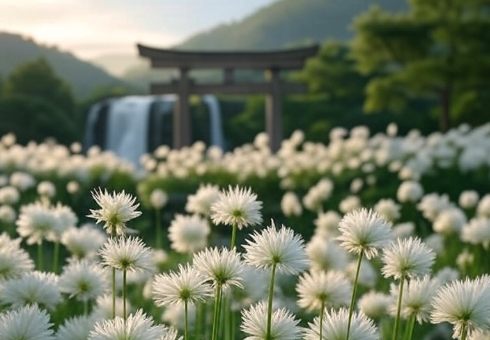
サクヤと花とのつながりを通して、ユウキは言葉を持たないものの美しさや、はかなさを知ったのです。そして、サクヤの母親に花を届け続けた経験は、直接言葉を交わさなくても、相手に想いを伝えられると信じ、行動することの大切さを彼に教えました。花は人の心と願いを伝える役割を担っていたのです。この経験が、ユウキの共感力を育み、他者の悲しみや苦しみに寄り添える、より優しい心を持つ青年へと成長させました。
Through his connection with Sakuya and the flowers, Yuki came to know the beauty and ephemerality of things that have no words. The experience of continuing to deliver flowers to Sakuya’s mother taught him the importance of believing that feelings can be conveyed to others even without direct words, and of acting on that belief. Flowers played a role in conveying people’s hearts and wishes. This experience nurtured Yuki’s empathy, and helped him grow into a kinder young man who could understand and share the sorrow and suffering of others.
サクヤの死後、ユウキは彼女が愛した花々を、村のさまざまな儀式や日常に取り入れるようになりました。例えば、赤子の誕生を祝う際には、希望を象徴する花を贈り、病に苦しむ者には、癒しを願う花を贈るなど。そして村の葬儀に際しては、たくさんの花々で死者を弔う習慣も定着しました。
After Sakuya’s death, Yuki began to incorporate the flowers she loved into various rituals and daily life in the village. For example, when celebrating the birth of a baby, they would give flowers symbolizing hope, and to those suffering from illness, they would give flowers wishing for healing. And in the village’s funerals, the custom of mourning the dead with many flowers became established.
ユウキは村人たちに花に込められた意味や、自然との調和について語り、共同体の絆を深める役割を担うようになりました。何よりも村には、男女間の格差や偏見がなくなり、互いの理解が深まったことが画期的な変化でした。花々を愛でることは村の人々の心を豊かにしたのです。ユウキの行動は、単なる狩人としてだけでなく、村の精神的な支柱として、共同体に欠かせない存在へと彼を成長させました。
縄文時代から何万年もの時間が過ぎた現代。私たち日本人の周りには、今でも無数の草花が色とりどりに咲いています。
Yuki began to speak to the villagers about the meanings imbued in the flowers and the harmony with nature, taking on the role of deepening the bonds of the community. More than anything, the groundbreaking change was that gender disparities and prejudices disappeared from the village, and mutual understanding deepened. Cherishing the flowers enriched the hearts of the villagers. Yuki’s actions not only made him a hunter but also grew him into an indispensable presence in the community as the village’s spiritual pillar.
Many millennia have passed since the Jomon period, and countless colorful flowers still bloom all around us Japanese people today.
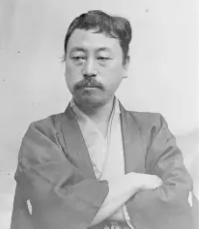
岡倉天心「茶の本」第六章「花」から引用/Drawn from Okakura Tenshin’s “The Book of Tea,” Chapter 6, “Flowers.
喜びにも悲しみにも、花はわれらの不断の友である。花とともに飲み、共に食らい、共に歌い、共に踊り、共に戯れる。花を飾って結婚の式をあげ、花をもって命名の式を行う。花がなくては死んでも行けぬ。百合の花をもって礼拝し、蓮の花をもって瞑想に入り、バラや菊をつけ、戦列を作って突撃した。さらに花言葉で話そうとまで企てた。
花なくしてどうして生きて行かれよう。花を奪われた世界を考えても恐ろしい。病める人の枕辺に非常な慰安をもたらし、疲れた人々の闇の世界に喜悦の光をもたらすものではないか。失われようとしている宇宙に対する信念を回復してくれる。われわれが土に葬られる時、われらの墓辺を、悲しみに沈んで低徊するのも花である。<引用終わり>
In joy and in sorrow, flowers are our constant friends. We drink with flowers, feast with them, sing with them, dance with them, and play with them. We decorate with flowers for wedding ceremonies, and we hold naming ceremonies with flowers. We cannot even depart in death without flowers. We worship with lilies, enter into meditation with lotus flowers, and, adorned with roses and chrysanthemums, we formed battle lines and charged. We even attempted to speak in the language of flowers.
How could we live without flowers? The thought of a world deprived of flowers is frightening. Do they not bring immense comfort to the bedside of the sick, and a joyous light to the dark world of the weary? They restore our faith in a universe that seems to be slipping away. When we are buried in the earth, it is flowers that linger in sorrow by our gravesides. <END QUOTE>
おそらく人間は、人生のどこかで花の美しさに惹かれる瞬間があるのです。しかしその瞬間、禽獣(きんじゅう/野蛮さ)から抜け出す人間と、それができない人間がいる。花は永遠の友として、人間に「早く野蛮さから抜け出してください」と、囁いているように思えます。
近年、実際に縄文時代の墓を発掘してみると、死者や家畜まで埋葬されており、その中から多くの花粉の化石も発見されているようです。
There is probably a moment in everyone’s life when they are drawn to the beauty of flowers. But in that moment, there are those who can escape from their animalistic savagery, and those who cannot. It seems that flowers, as eternal friends, are whispering to humans to “escape from their barbarity as soon as possible.”
In recent years, actual Jomon period graves have been excavated, revealing that the dead and even livestock were buried there, and many pollen fossils have been discovered among them.