必要最小限の物/Minimum Necessities
私たちの生活は、数え切れないほどの物で溢れています。そして、その「溢れる」状態こそが「豊かさ」だという、ある種の誤解が存在しているように思えます。欧米の一般的な家庭では、約3万点もの物や道具に囲まれて暮らしているといわれています。物が増えれば増えるほど、それらを管理する負担も増していきます。
Our lives are filled with countless things. And there seems to be a kind of misunderstanding that this state of “overflowing” is “abundance.” It is said that typical Western households live surrounded by about 30,000 items and tools. The more things increase, the greater the burden of managing them becomes.
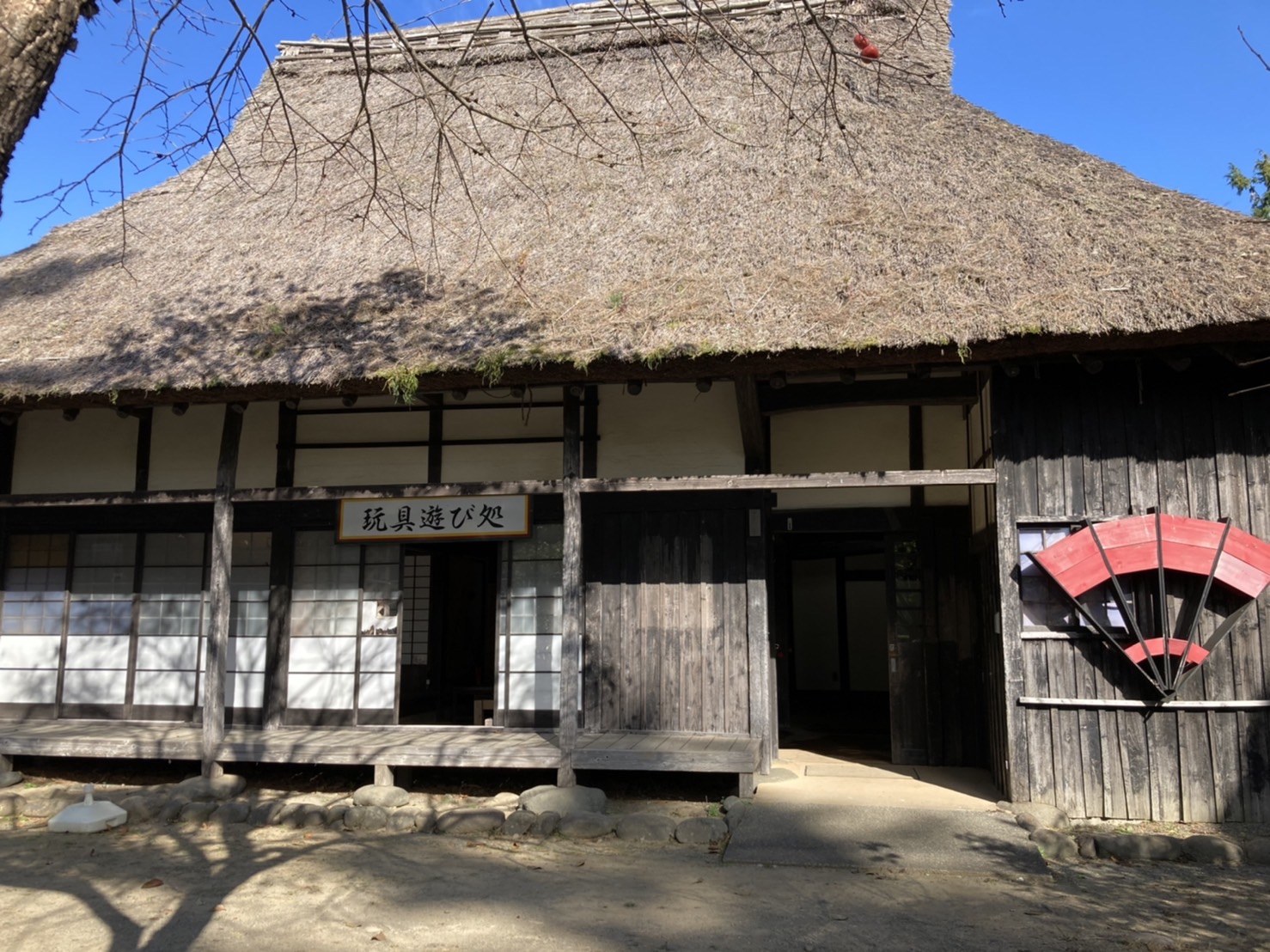
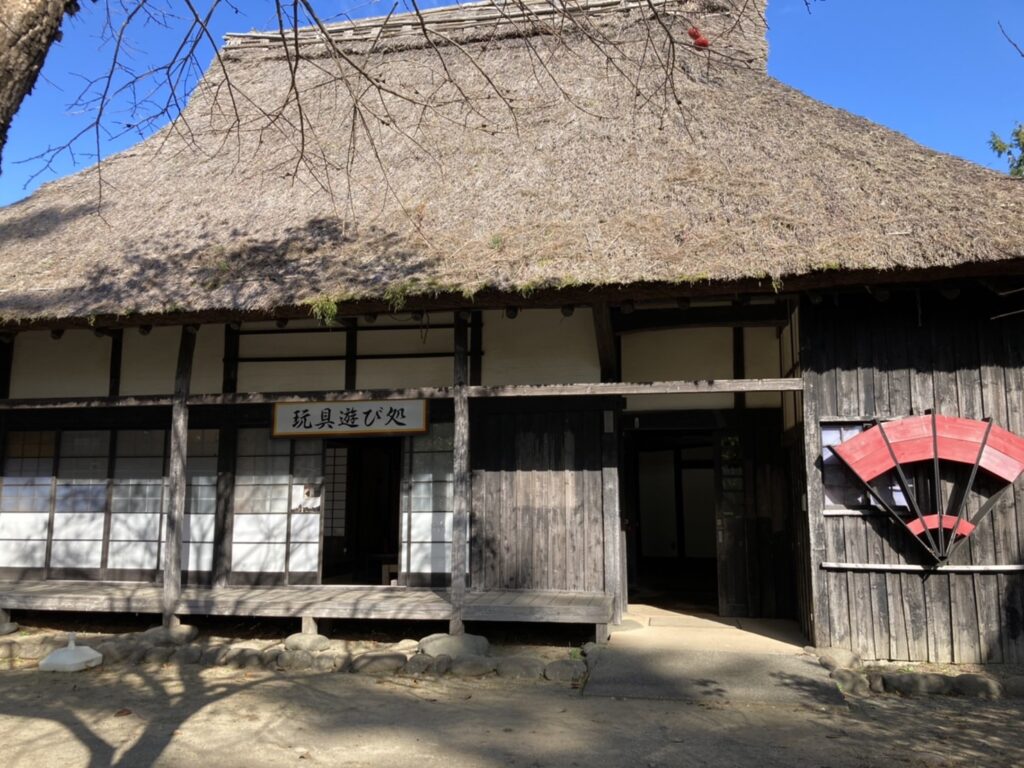
江戸末期に日本を訪れた欧米人たちは、日本の住まいの質素さを見て「貧しい国だ」と判断したそうです。けれども、そこには「豊かさ」に対する価値観の根本的な違いがありました。欧米では、物やお金を多く所有することが豊かさの象徴とされてきました。一方、日本では「持たない」ことの中にこそ、余裕や気楽さといった豊かさを見出していたのです。
When Westerners visited Japan in the late Edo period, they saw the simplicity of Japanese homes and judged Japan to be a poor country. However, there was a fundamental difference in values regarding what constitutes “wealth.” In the West, owning many things and a lot of money has been considered a symbol of wealth. On the other hand, in Japan, wealth was found in “not owning” things, in the form of余裕 (room to spare/余裕) and 気楽さ (ease/carefreeness).
日本人は、ひとつの道具を丁寧に手入れし、長く使い続けることに価値を見いだしてきました。そのため、一生使う物には相応の対価を払うのが当然と考えられていました。物は「消費する」のではなく、「共に時を重ねていく」もの。使いこむことで愛着が生まれ、手放せない存在となっていきます。
The Japanese have found value in carefully maintaining a single tool and continuing to use it for a long time. For that reason, it was considered natural to pay a corresponding price for something to be used for a lifetime. Things are not “consumed,” but rather, “time is重ねていく together with them.” Affection is born through continued use, and they become irreplaceable.
そうした愛着があれば、3万点もの物に囲まれる必要はありません。日本人であれば、生活に必要な物は100点ほどで十分かもしれません。管理も楽になり、心にも自然とゆとりが生まれる。私たち日本人は、本来「物に支配される」ことを良しとせず、「必要最小限の物で豊かに暮らす」ことを尊んできたのではないでしょうか。
If you have that kind of attachment, you don’t need to be surrounded by 30,000 items. If you’re Japanese, you might only need about 100 items for daily life. Managing them becomes easier, and naturally, space is created in your heart. We Japanese have traditionally not been comfortable with “being controlled by things,” and haven’t we valued “living richly with the minimum necessary items”?
断捨離/Cutting off, discarding, and leaving
近年、「断捨離」という言葉が注目されています。今では日本国内にとどまらず、海外でも使われるようになってきました。同じく「もったいない」という言葉も、すでに国際語として認識されています。「断捨離」とは、ヨーガの修行法に由来する言葉で、「断」は新たな物の流入を断つこと、「捨」は不要な物を手放すこと、そして「離」は物への執着から離れることを意味します。
In recent years, the word “Danshari” has been attracting attention. Now, it is used not only in Japan but also overseas. Similarly, the word “Mottainai” is already recognized as an international word. “Danshari” is a word derived from yoga training methods, where “Dan” means to stop the inflow of new things, “Sha” means to let go of unnecessary things, and “Ri” means to detach oneself from attachment to things.
江戸時代の庶民がこの言葉を知っていたかは定かではありません。しかし、彼らの質素で粋な暮らしぶりは、まさに断捨離の思想を地で行くものでした。物を大切に使い、無駄を嫌い、潔さを美徳とする。江戸っ子の気風(きっぷ)の良さは、現代にこそ見直されるべき生き方かもしれません。
It is uncertain whether common people in the Edo period knew this word. However, their simple and stylish lives perfectly embodied the philosophy of Danshari. They valued the use of things, disliked waste, and considered purity a virtue. The spirit of the Edo people may be a wisdom that should be re-evaluated in modern times.
持たぬ豊かさ/wealth that one does not have

そして今、国連が推進する「SDGs(持続可能な開発目標)」が世界的な課題となっています。しかし、日本は江戸時代からすでに、物や資源の循環を基盤とした持続可能な社会を築いてきました。果たして、大量生産・大量消費を前提とした欧米社会に、その転換は可能なのでしょうか。むしろ世界は、日本の歴史に刻まれた「持たない美学」から学ぶべきではないでしょうか。
Now, the “SDGs (Sustainable Development Goals)” promoted by the United Nations have become a global issue. However, Japan had already built a sustainable society based on the circulation of goods and resources since the Edo period. Is it really possible for Western societies, which are based on mass production and mass consumption, to make that shift? Shouldn’t the world rather learn from Japan’s “aesthetic of not possessing,” which is etched in its history?
日本人にとっての「豊かさ」とは、「心の静けさ」と「ストレスのない生活」にあります。もし国連が本気で「SDGs」を掲げるのなら、そこに「Stress-free Life(ストレスのない生活)」という価値観を加えてみてはどうでしょう。心に余裕があれば、争いは減り、互いを思いやる時間が生まれるはずです。
For Japanese people, “abundance” lies in “peace of mind” and a “stress-free life.” If the United Nations is serious about promoting “SDGs,” why not add the value of “Stress-free Life” to it? If we have peace of mind, conflict will decrease, and time to care for each other will be born.
かつて日本人が自然と体現していた「持たぬ豊かさ」は、時代を超えて今、世界が最も必要としている知恵なのかもしれません。少なくとも、物の多さでは測れない、静かで、あたたかい「豊かさ」があることを、私たちは知っています。そしてその価値に、もう一度立ち返るときが来ているのです。
The “richness of not possessing,” which Japanese people once naturally embodied, may be the wisdom the world needs most now, transcending time. At the very least, we know that there is a quiet, warm “richness” that cannot be measured by the abundance of things. And the time has come to return to that value once more.