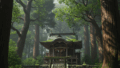
庭師という職業/The profession of a gardener(Niwashi)

日本の庭園、特に「枯山水」に代表されるような様式は、単なる美を追求する装飾ではありません。それは、自然の本質を抽出し、限られた空間の中に壮大な小宇宙を創造するという、深遠な哲学に基づいた芸術です。この創造を担うのが、日本の「庭師」と呼ばれる専門家たちです。彼らの仕事は、西洋の庭師が追求する幾何学的な美しさとは一線を画し、自然の摂理に寄り添うことで、独自の美意識を表現します。
Japanese gardens, particularly styles like “Karesansui” (dry landscape gardens), are not merely decorations pursuing beauty. They are an art based on a profound philosophy of extracting the essence of nature and creating a magnificent microcosm within a limited space. The professionals who undertake this creation are called “Niwashi” in Japan. Their work differs from the geometrical beauty pursued by Western gardeners, and they express a unique aesthetic by embracing the providence of nature.
石と水の「声」に耳を澄ます/Listen to the “voices” of stone and water
庭師の仕事は、まず庭の骨格となる石を据え、水の流れを読み解くことから始まります。彼らはただ石を配置するのではなく、何千年もの時を経てそこに存在する石一つ一つに耳を傾けます。石が持つ歴史や独特の表情、そして「石の声」に深く耳を傾け、その石が最も輝く場所、最もふさわしい場所に据えるのです。これは単なる資材の配置ではなく、石に新たな役割と命を与える行為です。水についても同様で、庭師は地形を読み、せせらぎの音や光の反射までも緻密に計算し、あたかも太古の昔からそこに存在していたかのような自然な景観を創り出します。
The Niwashi’s work begins with placing the stones that form the framework of the garden and understanding the flow of water. They don’t just arrange stones; they listen to each stone that has been there for thousands of years. They listen deeply to the stone’s history, its unique expression, and the “voice” of the stone, placing it where it shines most, where it is most fitting. This is not just arranging materials, but an act of giving the stone a new role and life. The same goes for water; the gardener reads the terrain, meticulously calculating the sound of the murmuring stream and the reflection of light, creating a natural landscape as if it had existed there since ancient times.
完璧と不完全の対比/Contrast between perfection and imperfection
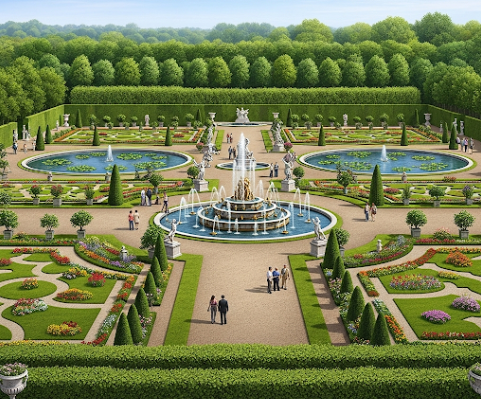
西洋の庭園は、ヴェルサイユ宮殿の庭園に見られるように、人間の理性を象徴するような幾何学的な美しさを追求します。そこには、左右対称の完璧な美と、自然を人間の支配下に置こうとする西洋的な思想が反映されています。対照的に、日本の庭師は、自然の不完全さや移ろいゆくものの中に美を見出します。雨に濡れて色を深める苔、左右非対称に配置された木々、そして季節によって姿を変える落葉樹の枯れ葉の色。
Western gardens, as seen in the gardens of the Palace of Versailles, pursue a geometric beauty that symbolizes human reason. They reflect a Western idea of perfect symmetrical beauty and the desire to bring nature under human control. In contrast, Japanese Niwashi find beauty in the imperfection and transience of nature: the moss that deepens in color when wet with rain, the asymmetrically arranged trees, and the colors of the fallen leaves of deciduous trees that change with the seasons.
これらはすべて、自然と時間の作用によって生み出される「一期一会」の景色です。完璧でないからこそ、見る者の想像力や感性に深く訴えかけ、心の安らぎを与えます。この「不完全さを愛でる」という美意識は、常に完璧を求められる現代社会において失われがちな精神的な豊かさを取り戻す鍵となり得ます。
These are “all once-in-a-lifetime” landscapes created by the workings of nature and time. It is precisely because they are imperfect that they deeply appeal to the viewer’s imagination and sensitivity, and provide peace of mind. This aesthetic of “cherishing imperfection” can be the key to regaining the spiritual richness that tends to be lost in modern society, where perfection is constantly demanded.
終わりのない「生命の対話」/Endless “Dialogue of Life”
日本庭園は、一度創り上げたら完成というわけではありません。庭園は「生きて」おり、絶え間なく変化し続けます。木々は成長し、その姿を変え、苔は日々生命を広げていきます。庭師の仕事は、この植物たちとの終わりのない「生命の対話」であり、常に手入れを続けることで、その美しさを維持し、さらに深めていきます。春には芽吹き、夏には緑が深まり、秋には紅葉し、冬には静寂に包まれる。庭師は、この生命のサイクルに寄り添い、その瞬間瞬間の美しさを最大限に引き出そうとします。
A Japanese garden is not something that is finished once it is created. The garden is “alive” and constantly changing. Trees grow and transform, and moss spreads its life day by day. The gardener’s job is an endless “dialogue of life” with these plants, and by constantly maintaining them, they preserve and deepen their beauty. In spring, buds sprout, in summer, the green deepens, in autumn, the leaves turn red, and in winter, it is enveloped in silence. The Niwashi stays close to this cycle of life, trying to maximize the beauty of each and every moment.
これは、成果や効率が重視される現代のビジネスとは無縁の世界です。この仕事の最大の喜びは、庭師自身の感性が、庭と共にゆっくりと成熟していくことに他なりません。庭師は単なる職人ではなく、自然の哲学者であり、時間の流れを読み解く詩人でもあるのです。
This is a world far removed from modern business, where results and efficiency are paramount. The greatest joy in this work lies in the Niwashi’s own sensibility maturing slowly along with the garden. The Niwashi is not merely a craftsman, but a philosopher of nature and a poet who interprets the passage of time.