カレル・ヴァン・ウォルフレン氏はオランダ出身のジャーナリスト。彼は1980年代、英国の経済誌『エコノミスト』の東京支局長として日本に赴任しました。高度経済成長期の日本を現地で観察する立場にあり、発展の裏に潜む構造的リスクにも着目していました。
Karel van Wolferen is a journalist from the Netherlands. In the 1980s, he was assigned to Japan as the Tokyo bureau chief for the British business magazine, The Economist. He was in a position to observe Japan during its period of rapid economic growth, and he also focused on the structural risks lurking behind its development.

カレル・ヴァン・ウォルフレン(Karel van Wolferen、1941年4月 – )は、オランダ・ロッテルダム出身のジャーナリスト、政治学者。アムステルダム大学比較政治・比較経済担当教授。2020年時点では同大名誉教授。
Karel van Wolferen (born April 1941) is a Dutch journalist and political scientist from Rotterdam, Netherlands. He is a professor of comparative politics and comparative economics at the University of Amsterdam. As of 2020, he is an emeritus professor at the same university.
観察者としての視点/An observer’s point of view
ウォルフレン氏が驚いたのは、明確なリーダー不在にもかかわらず秩序が保たれている日本社会の姿でした。西洋社会が個人の権利を基盤とするのに対し、日本は集団の調和を基盤としている。民主主義が個人の自由を保障するならば、それを支える強力な統治機構として、警察、軍隊、裁判所などの強い力が必要となるのです。
What surprised Mr. Wolferen was the order maintained in Japanese society despite the absence of a clear leader. While Western society is based on individual rights, Japan is based on the harmony of the group. If democracy guarantees individual freedom, it requires strong forces such as the police, military, and courts as a powerful governing structure to support it.
一神教的世界観では、人間は未完成で愚かであり、神の導きや法によって制御されるべき存在とされる。ゆえに多くの国では、社会秩序の維持に神や法、実力組織が不可欠と考えているのです。
In the monotheistic worldview, humans are considered incomplete and foolish beings who should be controlled by God’s guidance or laws. Therefore, many countries believe that God, law, and powerful organizations are indispensable for maintaining social order.
日本の秩序と市民の自律性/Order and Citizen Autonomy in Japan
ウォルフレン氏は、日本の街中に政治家の広告塔や国家的スローガンが見られないことに驚いた。若者の多くが政治家の名前や主張を知らないほど、政治色が薄い国なのです。
Wolfren was surprised by the lack of political billboards and national slogans in Japanese cities. It is such a politically understated country that many young people do not know the names or platforms of politicians.
一方で、中国などの社会主義国は中央集権体制によって秩序を維持するのですが、それは国民の自発性によるものではない。これらの国では、治安維持費が軍事費を上回る場合もあります。
On the other hand, socialist countries like China maintain order through a centralized system, but this is not due to the spontaneity of the people. In these countries, security maintenance costs can exceed military spending.
もちろん日本にも警察や裁判所は存在しますが、他国と比べて出動頻度は少ないのです。それは、多くの日本人が自発的に秩序を守る姿勢を持っているからです。ウォルフレン氏は、世界各地を取材してきた中で、日本のような例を見たことがなかったようです。
Of course, Japan also has police and courts, but their frequency of dispatch is lower compared to other countries. This is because many Japanese people have a proactive attitude towards maintaining order. Mr. Wolferen seems to have never seen an example like Japan’s in his coverage around the world.
「静かな奇跡」としての日本/Japan as a “Quiet Miracle
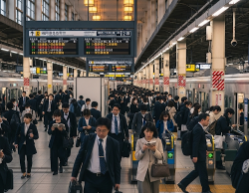
彼は、日本社会の秩序を「静かな奇跡」と評しています。落とし物が戻る、通勤ラッシュでも静かに乗降する、災害時にも略奪が起きない。特に驚いたのは、幼い子供が一人で電車通学する姿でした。これが欧米なら「親の怠慢」や「児童虐待」として批判されるでしょう。
He describes the order of Japanese society as a “quiet miracle.” Lost items are returned, people quietly get on and off trains during rush hour, and there is no looting even in times of disaster. What surprised him in particular was the sight of young children commuting to school by train alone. In Europe and the United States, this would be criticized as “parental negligence” or “child abuse.”
後に彼は、日本では弱者(子供や高齢者)を社会全体が暗黙のうちに守っていることを理解するのです。この文化的背景が、日本の安全と秩序を支えていると、称賛しています。
Later, he came to understand that in Japan, the whole society implicitly protects the vulnerable (children and the elderly). He admires this cultural background, saying that it supports Japan’s safety and order.
日本政治の構造的曖昧さ/Structural Ambiguity in Japanese Politics
日本文化を称賛しつつ、ウォルフレン氏は、日本の政治システムを「舵のない国家」「無責任の体系」と表現しました。重大な問題が発生しても責任の所在が不明確であると、厳しい側面も語っています。
While praising Japanese culture, Wolferen described Japan’s political system as a “state without a rudder” and a “system of irresponsibility.” He also discussed the harsh aspect that the location of responsibility is unclear even when serious problems occur.
日本には衆参合わせて約720人の国会議員、約2,820人の都道府県議員、約55,200人の区市町村議員が存在し、計約58,800人の政治家が税金で養われています。しかし日本の秩序を実質的に支えてきたのは、政治家ではなく一般市民である。むしろ、移民政策などを通じて、秩序を乱そうとしているのは政治家ではないか、という疑念もあります。
In Japan, there are approximately 720 national Diet members (both houses), about 2,820 prefectural assembly members, and roughly 55,200 municipal assembly members, totaling about 58,800 politicians supported by taxes. However, it is the ordinary citizens, not the politicians, who have substantially maintained Japan’s order. There is even suspicion that politicians, through policies such as immigration, are the ones trying to disrupt this order.
日本では権力の所在が曖昧になりがちです。そのため国民が責任を問うことが難しい構造になっています。協調性という美徳が、政治家に逆用される傾向もある。政治の実態が見えにくいことは、今後の日本政治にとって大きな課題といえるでしょう。
In Japan, the location of power tends to be ambiguous, making it difficult for citizens to hold those in power accountable. The virtue of cooperation is also prone to being exploited by politicians. The lack of transparency in political reality is a significant challenge for the future of Japanese politics.
「和の精神」と未来への問い/The Spirit of Harmony and Questions for the Future
聖徳太子の時代から続く「和の精神」は、日本の美徳として後世に受け継ぐべきものです。ウォルフレン氏は、日本人が持つ「和を重んじる精神」は世界にとって貴重だと評価した。しかし同時に、この美徳が「思考停止」に利用される危険性も警告したのです。日本を動かしているのは、私たち一人ひとりの心の中にある責任感と協調性です。この文化を未来に伝えるためには、常に問い続ける姿勢が重要だと語っているのです。
The “spirit of harmony,” which has continued since the time of Prince Shotoku, is a Japanese virtue that should be passed down to future generations. Mr. Wolfrén praised the “spirit of harmony” held by the Japanese people as valuable to the world. However, at the same time, he warned of the danger that this virtue could be used for “cessation of thinking.” What drives Japan is the sense of responsibility and cooperation in each of our hearts. He says that in order to pass on this culture to the future, it is important to always maintain a questioning attitude.
ウォルフレン氏の視点は、日本社会の静かな秩序と政治の曖昧さという二面性を浮き彫りにしました。日本の特殊性は、国際社会において貴重なモデルとなりえます。しかし、その美徳が思考停止や責任回避に繋がる危険性も孕んでいるのです。ゆえに、私たちは「和の精神」を守りながらも、それが逆用されないよう、常に問い、考え、発信し続ける必要があるのです。
Wolfren’s perspective highlights the duality of Japanese society: its quiet order and political ambiguity. Japan’s uniqueness can be a valuable model for the international community. However, its virtues also carry the risk of leading to a standstill in thinking and an avoidance of responsibility. Therefore, while safeguarding the “spirit of harmony,” we must constantly question, think, and communicate to ensure it is not exploited.