命を守る技術の思想/The Idea of Life-Saving Technology
近年、世界各地でインフラ施設の事故が相次いでいます。表面的なコスト削減や効率性の追求が、見えない部分への配慮を欠き、結果として重大な事故を引き起こしているのです。なぜ、こうした悲劇が繰り返されるのでしょうか。
In recent years, infrastructure facility accidents have been occurring frequently around the world. Superficial cost reductions and the pursuit of efficiency are neglecting unseen aspects, resulting in serious accidents. Why are these tragedies repeated?
「魂は細部に宿る」――この言葉が示すのは、目に見えない部分へのこだわりこそが、本質的な価値を生み出すという哲学です。本稿では、この思想が最も顕著に現れるインフラ建設の現場を例に、その重要性を探っていきます。
The soul dwells in the details – this saying illustrates the philosophy that dedication to the unseen parts is what creates essential value. In this paper, we will explore the importance of this idea, using the example of infrastructure construction sites, where it is most clearly manifested.
ダム決壊事故と日本の技術思想/The Dam Failure Accident and Japanese Technological Philosophy
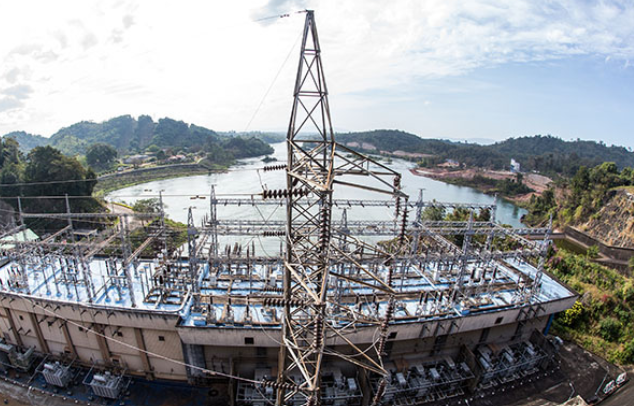
with Japanese technology
2018年12月、ラオスでは、完成間近だった外国企業による巨大ダムが崩壊し、数十名が犠牲となり、1万人以上が住まいを失いました。事故の原因は、利益を優先した建設方針による不十分な基礎工事や、劣悪な資材の使用にあったとされています。工期短縮とコスト削減が最優先された結果でした。
In December 2018, in Laos, a massive dam built by a foreign company, nearing completion, collapsed, killing dozens and leaving more than 10,000 people homeless. The cause of the accident is said to have been inadequate foundation work due to a construction policy that prioritized profits, and the use of substandard materials. Shortening the construction period and reducing costs were the top priorities.
この事故を受け、日本のODA(政府開発援助)によって「ナムグム第1水力発電所」が新たに建設されました。日本の技術者たちは徹底した地質調査を実施し、長期的な安全性を重視した設計思想に基づき、地震や洪水に強い構造を採用しました。この調査だけで数年費やしたといいます。
Following this accident, the “Nam Ngum 1 Hydropower Plant” was newly constructed with Japan’s ODA (Official Development Assistance). Japanese engineers conducted thorough geological surveys and adopted a design philosophy that emphasized long-term safety, employing structures resistant to earthquakes and floods. It is said that this survey alone took several years.
「魚を与えるのではなく、魚の釣り方を教える」という日本のODA思想に則り、建設後も現地技術者が自立してメンテナンスを継続できるよう、技術移転が行われました。
Based on the Japanese ODA philosophy of “Give a man a fish and you feed him for a day; teach a man to fish and you feed him for a lifetime,” technology transfer was conducted so that local engineers could independently continue maintenance even after construction.
日本の建築思想は、人命と安全を最優先に据えています。事故後、ラオス政府は価格だけでなく技術力と実績を重視する「総合評価方式」を導入し、日本の安全基準を参考にした新たな制度を策定しました。この取り組みは周辺国やアフリカ諸国にも波及し、インフラ建設基準の見直しを促す契機となりました。世界銀行やアジア開発銀行も、融資基準を価格重異なる思想がもたらした二つの結末を重視しています。
Japanese architectural philosophy prioritizes human life and safety above all else. Following the accident, the Laotian government introduced a “comprehensive evaluation method” that values not only price but also technical capabilities and実績, and established a new system based on Japanese safety standards. This initiative has spread to neighboring countries and African nations, triggering a review of infrastructure construction standards. The World Bank and the Asian Development Bank also emphasize the two outcomes brought about by differing ideologies in their lending standards.
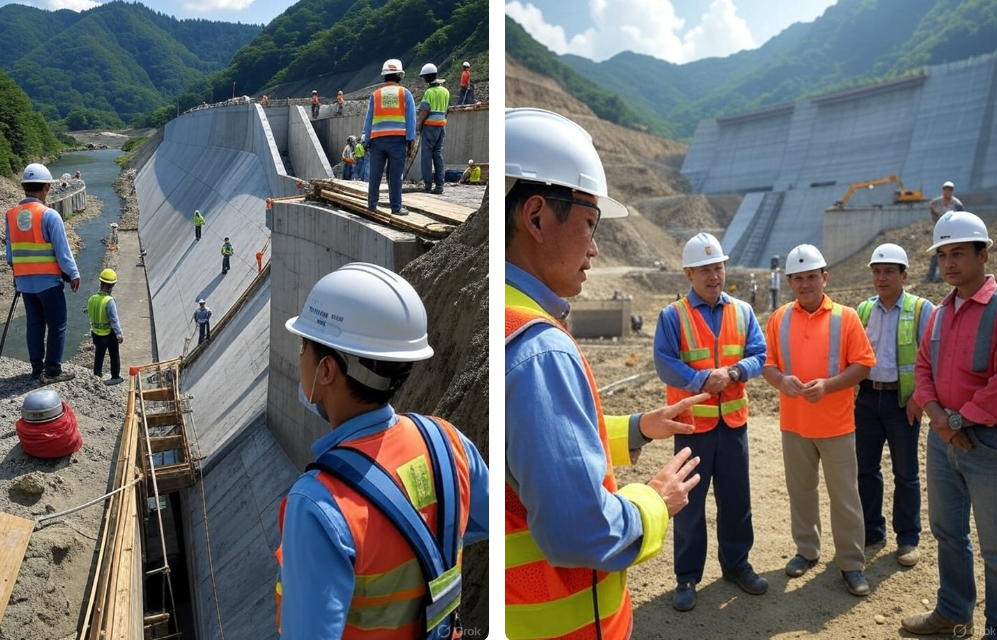
ダム建設は、長期的な視点に立ち、地質・気象・水質・文化などの徹底した現地調査を行うことから始まります。たとえコストがかかっても、人々の命と安全、そして国の未来を左右する重大な事業であるという責任と理念を貫くことが不可欠です。
Dam construction begins with a thorough on-site investigation from a long-term perspective, examining geology, weather, water quality, culture, and other factors. Even if it is costly, it is essential to uphold the responsibility and philosophy that this is a critical project that affects people’s lives and safety, as well as the future of the country.
日本の高品質なダムは、長年の安定稼働で日本の技術信頼を確立しています。その成否は技術者の思想に左右され、設計から運用・保守まで品質維持体制の構築、現地雇用創出、教育プログラム導入など、技術と倫理を支える措置が不可欠です。雇用や教育には地元住民の文化・宗教への配慮が重要であり、関連研究も継続されています。
High-quality dams in Japan have established the country’s technological reliability through years of stable operation. Their success depends on the ideology of the engineers involved, and measures to support technology and ethics are essential, including building a quality maintenance system from design to operation and maintenance, creating local employment, and introducing educational programs. Consideration for the culture and religion of local residents is important for employment and education, and related research is ongoing.
日本の技術者にとって、建設コストや工期を優先し、地質・気象調査を軽視するのは許されないことです。利益追求がプロ意識を損ない、基礎やコンクリートの品質を疎かにすれば、ダムは崩壊し、人命が失われる。あらゆるインフラ工事には、徹底的な現地調査が不可欠であると日本人技術者は考えるのです。
For Japanese engineers, it is unacceptable to prioritize construction costs and deadlines while neglecting geological and meteorological surveys. If the pursuit of profit compromises professional ethics and neglects the quality of foundations and concrete, dams will collapse and lives will be lost. Japanese engineers believe that thorough on-site investigation is essential for all infrastructure projects.
「魂」を継承する/Inheriting the “soul
日本のインフラ技術者は、単にダムなあどを建設するだけでなく、「魚を与えるのではなく、魚の釣り方を教える」という職業倫理に基づき、地元の人々に技術を伝えてきました。
Japanese infrastructure engineers have not only constructed dams and other structures but have also, based on the professional ethic of “teach a man to fish,” passed on their technology to the local people.
インフラ事業は完成して終わりではなく、長期にわたる地元への貢献がメインです。途上国の技術者たちは、日本から受け継いだプロ意識と倫理観で運用・点検・メンテナンスを行い、改善を重ねて安全性を維持しています。日本人技術者は途上国の未来を担う若き技術者たちに、品質重視こそが、長期的な繁栄につながる「魂」の継承であることを伝えるのです。
Infrastructure projects are not finished when completed; long-term contributions to the local community are the main focus. Engineers in developing countries maintain safety by conducting operations, inspections, and maintenance with the professionalism and ethics inherited from Japan, and by making continuous improvements. Japanese engineers convey to the young engineers who will bear the future of developing countries that this emphasis on quality is the transmission of the “soul” that leads to long-term prosperity.
「魂」はすべての職業に宿る/The “soul” is in every profession.
真の安全と安心は、施設ではなく、それを支える人々の意識と責任感によって築かれています。これは建設業に限らず、あらゆる職業に共通するものといえます。
True safety and security are built not by facilities, but by the awareness and sense of responsibility of the people who support them. This is true not only for the construction industry, but for all occupations.

病院で患者を看取る看護師、子どもたちの未来を育む教師、顧客の声に耳を傾けるサービス業の従業員、高品質な製品を追求する製造業の技術者――どの職業であれ、目に見えない細部へのこだわり、日々の点検と改善、そして揺るぎない職業倫理とプロ意識が、信頼を生み出し、社会全体の安心を支える基盤となります。
Whether it’s a nurse caring for patients in a hospital, a teacher nurturing the future of children, a service industry employee listening to customer feedback, or a manufacturing technician pursuing high-quality products—in any profession, attention to unseen details, daily inspection and improvement, and unwavering professional ethics and a sense of professionalism create trust and form the foundation that supports the security of society as a whole.
インフラ建設が、未来の世代へ命と暮らしの安心を繋ぐ使命であるように、私たち一人ひとりの仕事にも、人々の生活や未来を豊かにする責任が伴っています。
Just as infrastructure construction has the mission of connecting life and a sense of security in living to future generations, each of our jobs also carries the responsibility of enriching people’s lives and the future.
「魂は細部に宿る」。この言葉が示すように、使命感と長期的な視点を持って仕事に取り組むことこそ、持続可能でより良い社会を築く鍵となります。世界中で展開される日本の大規模インフラ事業は、高い職業倫理と卓越した技術思想に支えられています。
The soul dwells in the details. As this saying suggests, working with a sense of mission and a long-term perspective is key to building a sustainable and better society. Japanese large-scale infrastructure projects deployed around the world are supported by a strong work ethic and outstanding technological ideas.
米、中、露、EUの軍事・経済力が低下する一方、日本の民間技術が世界標準となりつつあり、その信頼性が日本国全体の信頼へと繋がっているのです。
While the military and economic power of the US, China, Russia, and the EU is declining, Japan’s private sector technology is becoming a global standard, and its reliability is linked to the reliability of Japan as a whole.