欧米諸国では、「善」や「正義」は公に語られ、誇るべき美徳とされています。チャリティに寄付した人物は公の場で称賛され、その功績は長く記録に残ります。戦争や闘争の際には「正義」が力の源となり、時には英雄的な意味を帯びることも。そうした行為を成した者は社会の模範として称えられ、子どもたちが学ぶべき理想像とされます。
In Western countries, “good” and “justice” are openly discussed and considered virtues to be proud of. Individuals who donate to charity are publicly praised, and their contributions are recorded for posterity. In times of war or conflict, “justice” becomes a source of strength, sometimes taking on heroic connotations. Those who perform such acts are celebrated as role models for society, and as ideals for children to learn from.
倫理の力/The Power of Ethics
2005年、ハリケーン・カトリーナがニューオーリンズを襲った際、現地の治安は崩壊しました。食料を守るために武装する人々、多発する暴動。警察や治安部隊も対応しきれず、混乱が支配する中で求められたのは「戦う力」でした。
In 2005, when Hurricane Katrina struck New Orleans, local security collapsed. People armed themselves to protect food, and riots broke out frequently. The police and security forces were unable to cope, and in the ensuing chaos, “fighting power” was what was needed.
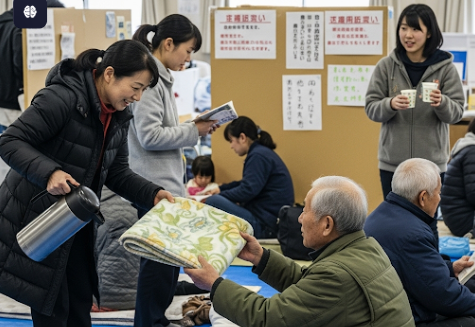
一方、2011年の東日本大震災。未曽有の津波が襲ったにもかかわらず、略奪や暴動は一切起きませんでした。人々は騒ぐことも、過度に嘆くこともなく、静かに秩序が立ち上がっていったのです。日本において災厄に立ち向かったのは、まさに「倫理の力」でした。
On the other hand, there’s the Great East Japan Earthquake of 2011. Despite the unprecedented tsunami that struck, there was absolutely no looting or rioting. People did not panic or excessively grieve, but rather quietly established order. In Japan, it was truly the “power of ethics” that confronted the disaster.
人として自然な振る舞い/Natural behavior as a person
この両国の対応の差に愕然とした米国の著名な大学教授は、震災から数か月後、東北の大学での特別講義のために来日しました。しかし、そこで教授自身が学ぶ側に立つことになります。講義の中、被災した学生との対話の一場面――「なぜ助け合おうと思ったのですか?」という問いに対し、ある学生は静かにこう答えました。
A prominent American university professor was shocked by the difference in the responses of these two countries and came to Japan a few months after the earthquake for a special lecture at a university in Tohoku. However, there, the professor himself ended up in the role of a student. During the lecture, in a dialogue with a student who had been affected by the disaster, to the question, “Why did you want to help each other?” one student quietly replied:
「困っている人がいたからです。」
”Because someone was in trouble.”
その答えには、いかなる命令も、複雑な理屈もありませんでした。ただ、彼が日々の生活の中で育んできた「人として当然」という感覚が宿っていたのです。それは、どんな法律よりも強く、どんな哲学よりも雄弁に、人間の根源的な価値を語っていました。
There was no imperative or convoluted logic in his answer. It was simply imbued with the sense of “what is natural for a human being” that he had nurtured in his daily life. It spoke more strongly than any law, more eloquently than any philosophy, of the fundamental value of human beings.
その学生は、人を助けたことを誰かに誇ることもなく、まるで日常の一部のように語りました。日本人にとって、それは「人として自然な振る舞い」に過ぎないのかもしれません。教授は、学者として長年問い続けてきた「善」や「正義」という言葉の真の姿を、日本人の日常の行いの中に確かに見出したのです。
The student did not boast to anyone about helping others, but talked about it as if it were part of his daily life. For Japanese people, this may be just “natural human behavior. The professor has indeed found the true form of the words “goodness” and “justice,” which he has been questioning for many years as a scholar, in the daily acts of the Japanese people.
「正義」の真の姿/The True Nature of “Justice.”
私たちが「正義」について語るとき、それは往々にして理論や原則から導き出されるものだと考えがちです。米国では、「正義」は議論すべき概念であり、ルールによって支えられているものと教えられてきました。だからこそ、災害時にそのルールが壊れた途端に、人々は方向を見失い、暴力や自己保身に走るのです。
When we talk about “justice,” we often tend to think that it is derived from theories and principles. In the United States, we have been taught that “justice” is a concept to be debated and supported by rules. That is why, as soon as those rules are broken in a disaster, people lose their bearings and turn to violence and self-preservation.
しかし、震災時の日本人が「正義」は行動として自然に現れるものだと教えてくれました。教授は、震災当時、津波の現場に遭遇した何組かの外国人を取材しました。彼らは口々に驚きと感動を示していました。
However, the Japanese people at the time of the disaster taught him that “justice” is something that comes naturally in action. The professor interviewed several groups of foreigners who had encountered the tsunami scene at the time of the disaster. They were verbally surprised and moved by what they saw.
「見知らぬ誰かに助けられることが多かった。しかし、助けてくれた人たちは、誰一人として名乗ることもなかった。すべてがごく当たり前のことのように、私たちは助けられていた。他人を助けることが当たり前のように行われている国は初めてだ。」 これら、驚きと感謝を伝えるものが多かったようです。
’I was often helped by someone I didn’t know. However, none of the people who helped us even identified themselves. We were helped as if everything was very normal. I’ve never been in a country where helping others is so taken for granted.” Many of these expressed surprise and gratitude.
静かなる実践/Quiet Practice
日本の津波被害を取材した後、教授の「正義」についての認識は大きく変わりました。新たに彼の講義に加わったのは、本物の「正義」を発見したことでした。
After covering the tsunami disaster in Japan, the professor’s perception of “justice” changed dramatically. A new addition to his lecture was the discovery of real “justice.
教授は講義で、このように語りました。
In his lecture, Prof.
日本の「正義」は、人々の中に当たり前のように存在していました。誰かのために何かをすることは特別なことではなく、まして何らかの報酬を目当てに行うものではない。日本には当然のこととして『正義』が位置付けられていたのです。
Japanese “justice” was a natural part of people’s lives. Doing something for someone else was not something special, much less something done for some kind of reward. Justice” was positioned as a matter of course in Japan.
日本人の行動は、まさに正義の実践でありながら、誰一人として『私は正しいことをした』と誇ることはありませんでした。私はその深い謙虚さに深く心を動かされました。正義を語ること、正しさを主張すること、ルールで人々を縛ることは容易です。しかし、何も語らずに「正しくあろうとする人々の存在」こそが、本物の倫理的行動だと、私は気づいたのです。
The actions of the Japanese were the very practice of justice, yet none of them were proud to say, ‘I did the right thing. I was deeply moved by their profound humility. It is easy to talk about justice, to insist on righteousness, to bind people with rules. But I realized that it is the presence of people trying to do the right thing, without saying anything, that is the real ethical behavior.
日本で「正義」は語るものではありませんでした。誇らしく自慢するものでもなかった。「正義」は語った瞬間、称賛を得ようと思った瞬間に、その尊さと価値が失われるものだと、日本は考えていたのです。
Justice” in Japan was not something to talk about. Nor was it something to be proudly boasted of. Japan believed that the moment one spoke of “justice,” the moment one thought of gaining acclaim for it, its nobility and value were lost.
そして、教授は講義の最後に、深く胸に刻まれる言葉で締めくくりました。
私は、本物の倫理的行動を行う人々が住む国が、東アジアの片隅に実在することを発見しました。皆さんにその国の名前を深く記憶に留めて欲しい――その国の名前は「日本」です。
The professor concluded his lecture with some deeply poignant words.
I have discovered that there is a country in a corner of East Asia where people of genuine ethical behavior live. I want you to remember the name of that country deeply – the name of that country is Japan.