失われた記憶/Lost Memories
「焚書坑儒(ふんしょこうじゅ)」という言葉をご存じでしょうか。これは、紀元前213年、中国の秦の始皇帝が断行した苛烈な思想統制策のことです。儒学をはじめとする実用書以外の書物を焼き払い(焚書)、儒学者を含む多くの学者たちを生き埋めにした(坑儒)とされるこの出来事は、歴史上最も有名な文化弾圧の一つです。
Do you know the term “Burning Books and Burying Scholars”? This refers to the drastic thought control policy carried out by Qin Shi Huang in 213 BC in China. This event, in which books other than practical books such as Confucianism were burned (burning books) and many scholars, including Confucian scholars, were buried alive (burying scholars), is one of the most famous cultural repressions in history.
しかし、歴史をひも解くと、中国では王朝(政権)が変わるたびに、同様な文化破壊が繰り返されてきました。記憶に新しいところでは、文化大革命の時代です。清王朝時代に築き上げられた膨大な文化的遺産は、紅衛兵によって破壊され、多くが永遠に失われてしまいました。
However, looking back at history, similar cultural destruction has been repeated in China each time a dynasty (government) changes. A recent example is the era of the Cultural Revolution. The enormous cultural heritage built during the Qing Dynasty was destroyed by the Red Guards, and much of it was lost forever.
その結果、現代の中国社会では、過去から謙虚に学ぶという習慣が薄れ、「新しいものこそが最良である」という、軽薄な価値観が蔓延してしまったかのようです。しかしこのような価値観があるから、世界中が称賛するような真のイノベーションや、心を揺さぶる工業製品が生まれにくいという現実があるのかもしれません。
As a result, it seems that in modern Chinese society, the habit of learning humbly from the past has faded, and a superficial value system of “new is best” has become widespread. However, it may be precisely because of these values that true innovations that the world admires and emotionally resonant industrial products are difficult to create.
日本の「焚書坑儒」/Japan’s “burning books” (kansho kenkyu)
実は、日本においてもこれと同じような「焚書坑儒」と呼べる出来事があったことは、あまり知られていません。それは、第二次世界大戦終結後の米国GHQ(連合国軍総司令部)による占領下の7年間に行われました。
Actually, it is not widely known that a similar event that could be called “burning books and burying scholars” also occurred in Japan. This took place during the seven years of occupation by the American GHQ (General Headquarters of the Allied Forces) after the end of World War II.
GHQは、日本人の精神的な支柱となっていた約7,800冊にも及ぶ貴重な書籍を焼き払い、一部は自国へと持ち去りました。これらは、日本の歴史、文化、そして精神性を深く理解するために不可欠な書物でした。さらに、極東国際軍事裁判、いわゆる東京裁判では、開戦時の東条英機首相をはじめとする戦争指導者とされる人々がA級、B級、C級戦犯として裁かれ、千人近くが処刑されました。この裁判は、まさに米国による「精神的な焚書坑儒」であったと言えるでしょう。
The General Headquarters (GHQ) burned approximately 7,800 precious books that had been a spiritual pillar for the Japanese people, and took some back to their own country. These were essential books for deeply understanding Japanese history, culture, and spirituality. Furthermore, in the International Military Tribunal for the Far East, also known as the Tokyo Tribunal, individuals considered war leaders, including Prime Minister Hideki Tojo at the time of the war, were tried as Class A, B, and C war criminals, and nearly a thousand were executed. This trial could be described as a “spiritual burning of books and burying of scholars” by the United States.
失われた精神的支柱/Lost Spiritual Pillars
この戦後日本の「焚書坑儒」によって、私たちは一体何を失ったのでしょうか? それは「精神的支柱」であり、より具体的には「歴史的記憶」です。
What exactly did we lose in this post-war Japanese “burning of books and burying of scholars”? It is a “spiritual pillar,” and more specifically, “historical memory.”
歴史家のA・トインビーは、民族が滅びる条件として「歴史を失ったとき」「理想を失ったとき」「物事を数量で見るようになったとき」の三つを挙げました。現代の日本社会を俯瞰すると、確かに私たちは「歴史を失い、理想を見失い」、そしてあらゆるものを「数値で測る」ような社会に生きています。トインビーの説が正しければ、日本民族はすでに滅びていてもおかしくなかったはずです。
Historian A. Toynbee cited three conditions for the demise of a people: “when they have lost their history,” “when they have lost their ideals,” and “when they have come to see things in terms of quantity.” Looking at contemporary Japanese society, we certainly live in a society where “we have lost our history, lost sight of our ideals,” and measure everything “in numbers.” If Toynbee’s theory is correct, the Japanese people should have already perished.
しかし、ご存じの通り、日本は戦後の荒廃から奇跡的な復活を遂げ、短期間のうちに高度経済成長を実現し、経済大国へと上り詰めました。では、この「奇跡的復活」の背景には、一体何があったのでしょうか?
However, as you know, Japan achieved a miraculous recovery from the devastation of the post-war period, achieving rapid economic growth in a short period and rising to become an economic power. So, what exactly was behind this “miraculous recovery”?
精神の地下水脈/underground waterways of the psyche
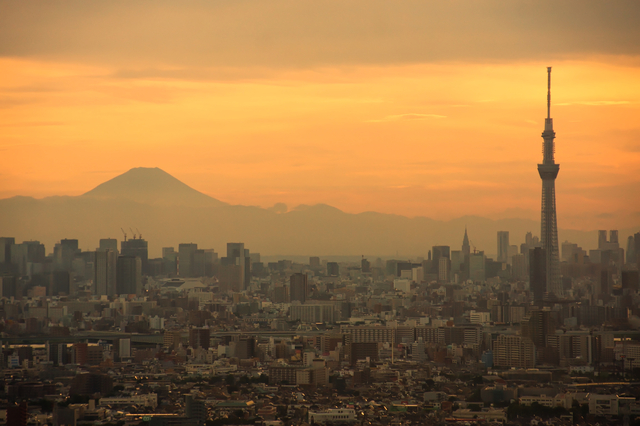
私たちは確かに、目に見える歴史の書物や精神的な拠り所の多くを奪われました。しかし、どれほど多くの書物が焼かれようとも、どれほど記憶が薄れようとも、日本人の心の奥底には、古来より脈々と受け継がれてきた目に見えない「精神の地下水脈」が流れていたのではないでしょうか。
We have certainly been deprived of many visible books of history and spiritual strongholds. However, no matter how many books are burned, no matter how many memories fade, deep in the hearts of the Japanese people, there flows an invisible “spiritual underground water vein” that has been passed down from ancient times.
それは、自然と共に生きる知恵であり、他者を思いやる心、どんな困難にも決して屈しない勤勉さ、そして和を尊ぶ精神に他なりません。これらは、焚書坑儒では決して奪うことのできなかった、私たちの心の奥底に宿る「無形の資産」でした。この見えざる遺産こそが、絶望の淵から再び立ち上がり、世界に類を見ない経済成長を成し遂げた、奇跡の原動力となったのです。
It is the wisdom to live in harmony with nature, a heart that cares for others, a diligence that never yields to any hardship, and a spirit that values harmony. These were the “intangible assets” residing deep within our hearts that could never be taken away by the burning of books and burying of scholars. This invisible legacy was the driving force behind the miracle of rising again from the depths of despair and achieving unprecedented economic growth in the world.
人類の未来への道/The Way to the Future of Mankind
今、私たちは改めて、この心の資産に目を向け、それを次世代へと繋いでいくという重い使命を負っています。過去の痛みを乗り越え、未来への確かな光を灯すために、私たち自身の内なる「歴史」を呼び覚ます時が来ています。
Now, we are once again faced with the weighty mission of focusing on this wealth of the heart and passing it on to the next generation. To overcome the pain of the past and light a sure light for the future, the time has come for us to awaken our own inner “history.”
失われた記憶を嘆くだけでなく、その空白の期間にも私たちの中に息づいていた不屈の精神と創造性を再認識すること。そして、GHQによって枯渇させられたかのように見えた「地下水脈」を、私たち自身の意思で繋ぎ直し、先人たちの歩みを誇りを持って次世代に語り継ぐことが求められています。
It is not enough to simply lament our lost memories, but to also recognize the indomitable spirit and creativity that lived within us even during that blank period. We are also required to reconnect the “underground water veins” that seemed to have been depleted by the GHQ, with our own will, and to proudly pass on the steps of our predecessors to the next generation.
ここ数年、日本の奇跡的経済発展を本格的に研究する海外の研究者たちが増えています。それは西側先進国においては、自国の衰退に危機感を抱いた人々であり、発展途上国であれば、日本を手本として自国の発展を模索する人々です。そして彼ら研究者が注目しているのは、日本の「昭和の時代」です。昭和とは、人類史に燦然と輝く奇跡的な時代なのです。このことは、日本人よりむしろ、海外の研究者によって明らかにされてきたのです。
In recent years, there has been an increase in the number of overseas researchers who are seriously studying Japan’s miraculous economic development. Among them are people in developed Western countries who feel a sense of crisis about their own countries’ decline, and people in developing countries who are trying to emulate Japan’s development as a model for their own countries. What these researchers are focusing on is Japan’s “Showa era.” The Showa era is a miraculous period that shines brightly in human history. This has been revealed more by overseas researchers than by the Japanese themselves.
「昭和の時代」とは、まだ戦争の「痛み」が完全に癒されていない時代です。そんななか、やがて昭和時代を生きた男も女も、その「痛み」は「柔軟性に富んだ強さ」に変わり、新たな闘志として静かに燃え上がったのです。そして現代、「昭和の時代」から始まった「道」は日本に平和と安定をもたらしました。次にこの「道」は全人類の平和と安定、そして希望を指し示しています。これが昭和時代に作られ、世界に示す未来への日本の「道」であると信じてやみません。
The “Showa era” is a time when the “pain” of war has not yet completely healed. Nevertheless, the men and women who lived in the Showa era eventually transformed that “way” into a “resilient strength,” and it quietly burned as a new fighting spirit. And now, the “way” that began in the “Showa era” has brought peace and stability to Japan. Next, this “path” points to peace, stability, and hope for all mankind. I firmly believe that this is Japan’s “way” to the future, created in the Showa era and shown to the world.