
現代のグローバル社会は、しばしば直線的で対立が絶えない時代と表現されます。言語を通じた応酬が頻繁に起こる中で、他者を思いやる特性を持つ日本語が、改めて高く評価されています。この記事では、特に日本語の持つ独特のニュアンスが、いかに穏やかな人間関係の構築に貢献しているかを探ります。
The modern global society is often described as an era of linearity and constant conflict. Amidst the frequent exchanges through language, Japanese, with its characteristics of empathy, is being re-evaluated. This article explores how the unique nuances of Japanese in particular contribute to building harmonious human relationships.
「かわいい」と「キュート」/「Kawaii」 and “Cute”

日本語の特性を象徴する例として、「かわいい」という言葉が挙げられます。英語の「Cute」は、「可愛い」という直接的な意味に加えて、「洗練された」や「憧れの対象」といった肯定的な意味合いを持ちます。しかし、その裏には時に「嫉妬」といった複雑な感情が含まれることもあります。
As a symbolic example of this Japanese characteristic, we can cite the word “kawaii.” The English word “cute” has positive connotations such as “sophisticated” and “object of admiration,” in addition to the direct meaning of “kawaii.” However, behind that, there are sometimes complex emotions such as “jealousy.”
これに対し、日本語の「かわいい」という言葉には、「幼い」「弱い」「未熟」「守りたい」「守るべき」といった、より純粋で保護的な感情、そして対象への共感や慈しみが深く込められています。この言葉が持つ温かみは、相手に対する思いやりや受容の精神を育み、人間関係における摩擦を軽減する効果があると考えられます。さらに、守るべきものとして倫理的な感情を呼び覚まします。
In contrast, the Japanese word “kawaii” (cute) deeply encompasses purer and more protective emotions such as “childlike,” “weak,” “immature,” “wanting to protect,” and “should protect,” as well as empathy and affection for the object. The warmth of this word fosters a spirit of compassion and acceptance towards others, which is thought to reduce friction in human relationships. Furthermore, it evokes ethical feelings as something to protect.
さらに、日本語の表現の豊かさも、人間関係の繊細さに寄与しています。「かわいい」という一つの言葉であっても、漢字の「可愛い」、ひらがなの「かわいい」、カタカナの「カワイイ」と三種類の表記が存在し、それぞれが持つ意味合いやニュアンスが微妙に異なります。このような多様な表現方法は、話し手が感情や意図をより細やかに伝え、受け手がそれを深く理解することを可能にします。これにより、誤解が生じにくく、より深いレベルでの共感や絆が育まれる土壌が形成されるのです。
Furthermore, the richness of Japanese expression also contributes to the subtlety of human relationships. Even a single word like “kawaii” (cute) has three types of notation: “可愛い” (kanji), “かわいい” (hiragana), and “カワイイ” (katakana), each with slightly different meanings and nuances. This diverse range of expressions allows the speaker to convey emotions and intentions more delicately, and the listener to understand them more deeply. This makes misunderstandings less likely and fosters an environment where empathy and bonds can be nurtured at a deeper level.
その他にも、海外で日常的に使われるようようになった日本語は多数あります。
【食に関する言葉】「いただきます」「ごちそうさま」「おかあさん」「おとうおさん」「かっこいい」「すし」「らーめん」「すきやき」「てんぷら」「たこやき」「えだまめ」「わさび」「やきとり」「べんとう」「うまい」「さけ」「みそ」・・・等々。
【文化、武道など】「からおけ」「おりがみ」「きもの」「げいしゃ」「さむらい」「ぶしどう」「にんじゃ」「じゅうどう」「からて」「どうじょう」「すもう」「まんが」「かわいい」「いけめん」「かっこいい」「ださい」「さようなら」「こんにちわ」「ありがとう」「つなみ」「えもじ」「ぜん」「はいく」「せんせい」「ばんざい」「たたみ」「せんぱい」「おたく」「わびさび」「もったいない」・・・等々
There are many other Japanese words that are now used in everyday life overseas.
[Food-related words] “Itadakimasu” (I humbly receive), “Gochisosama” (Thank you for the meal), “Okaasan” (Mom), “Otousan” (Dad), “Kakkoii” (Cool/stylish), “Sushi,” “Ramen,” “Sukiyaki,” “Tempura,” “Takoyaki,” “Edamame,” “Wasabi,” “Yakitori,” “Bento,” “Umai” (Delicious), “Sake,” “Miso”… and so on.
[Culture, martial arts, etc.] “Karaoke,” “origami,” “kimono,” “geisha,” “samurai,” “bushido,” “ninja,” “judo,” “karate,” “dojo,” “sumo,” “manga,” “kawaii” (cute), “ikemen” (handsome), “kakkoii” (cool), “dasai” (uncool/lame), “sayonara” (goodbye), “konnichiwa” (hello), “arigato” (thank you), “tsunami,” “emoji,” “zen,” “haiku,” “sensei” (teacher), “banzai,” “tatami,” “sempai” (senior), “otaku” (geek/nerd), “wabi-sabi,” “mottainai” (wasteful) … and so on.
例えば「詫び寂び(わびさび)」や「もったいない」などの言葉は外国語に訳すことが困難です。意味や語感を大事にしようと考え、敢えて自国語に翻訳しないようです。さらに日本語の響きも重要で、訳さないことで「ブランド化」しようという傾向もあるようです。上記の言葉は、海外のレストランのメニュー、書籍、映画、テレビ番組、さらには日常会話の中で頻繁に聞かれることがあります。日本の文化が世界中で人気を集めていることの証とも言えるでしょう。
Words like “wabi-sabi” and “mottainai” are difficult to translate into foreign languages. It seems that the meaning and nuance are valued, and they are deliberately not translated into the native language. Furthermore, the sound of Japanese is also important, and there seems to be a tendency to “brand” them by not translating them. The above words are frequently heard in overseas restaurant menus, books, movies, TV programs, and even in everyday conversations. This can be seen as proof that Japanese culture is gaining popularity around the world.
日本語はオシャレ感覚で/Japanese is a fashionable sense.
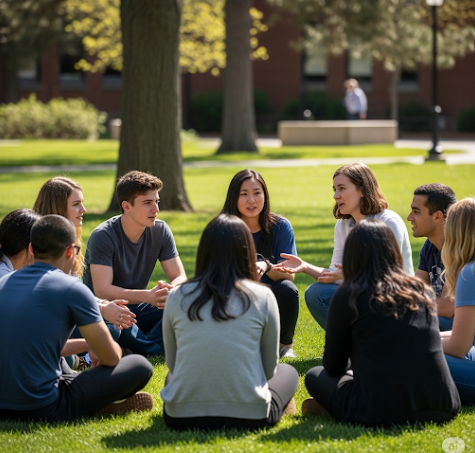
実際に海外の大学で、日本語を多用して会話する学生グループと、そうでないグループとを比較すると、両者の間に明確な雰囲気の違いが見られると、ある記事は指摘しています。日本語を積極的に使うグループでは、より和やかで調和の取れた雰囲気が醸成されており、これは日本語が持つ相手を慮る特性が、日々のコミュニケーションにおいて円滑な人間関係を自然に築き上げている証拠と言えるでしょう。このグループには笑顔が絶えないようです。
One article points out that when comparing student groups at foreign universities, one that frequently uses Japanese in conversations and one that does not, a clear difference in atmosphere can be observed between the two. In groups that actively use Japanese, a more amicable and harmonious atmosphere is fostered, which is likely evidence that the considerate nature inherent in the Japanese language naturally builds smoother human relationships in daily communication. This group seems to always be smiling.
一方の日本語を使用しない学生グループは真面目で、その会話も専門的な内容が多いようです。ときには政治的課題を議論し、時として激しくぶつかり合うこともあるようです。彼らの話題は就職など将来を見据えた内容が中心です。決して仲が悪いわけではないのですが、ここでも競争原理が働いていて、友人と言えど潜在的にはライバルなのです。
On the other hand, the non-Japanese speaking student group is quite serious, and their conversations often delve into specialized topics. They sometimes discuss political issues, which can occasionally lead to heated arguments. Their discussions primarily focus on future-oriented subjects like job hunting. While they are by no means on bad terms, a principle of competition is at play, meaning that even friends are potentially rivals.
日本語のこうした特性は、現代社会において人々の間の衝突を和らげ、より協調的で穏やかなコミュニケーションを促す上で、極めて重要な役割を果たしているのです。確かに日本語は世界で最も難解な言語です。しかし日本語はオシャレ感覚の会話のファッション、あるいは会話を弾ませる道具(おもちゃ)として、広がっていくような勢いを見せています。
These characteristics of Japanese play an extremely important role in modern society in mitigating conflict between people and promoting more cooperative and peaceful communication. Certainly, Japanese is one of the most difficult languages in the world. However, Japanese is showing a momentum of spreading as a fashion of conversation with a sense of style, or as a tool (toy) to liven up conversation.
将来日本語は、誰からも強制されることなく、覚悟を決めて勉強する必要もなく、好きなファッションを纏うように、そして春のおとずれのように世界に広がっていくでしょう。
In the future, Japanese will spread throughout the world like people putting on their favorite fashion, and like the arrival of spring—without anyone being forced to learn it, and without the need to study it with firm resolve.