メロディーを口ずさみながら楽しそうに家事をする女性の姿。その軽やかな日常の風景は、戦中、戦後、そして現代へと続く日本人女性の「しなやかで前向きな生き方」を象徴しています。もちろん現代日本の発展は、男性だけが成し遂げたものではありません。困難を乗り越え、日々の幸せを創造する日本人女性のしなやかな「女性の力」があってこそ今の日本があるのです。
困難な時代にあっても、彼女たちはただ環境を嘆くのではなく、与えられた環境の中で自分らしいリズムと喜びを見つけ出し、周囲に明るさと活力を伝播させてきました。このたくましくも美しい「生活を創造する力」は、いつの時代も社会の基盤を静かに支える力となっています。
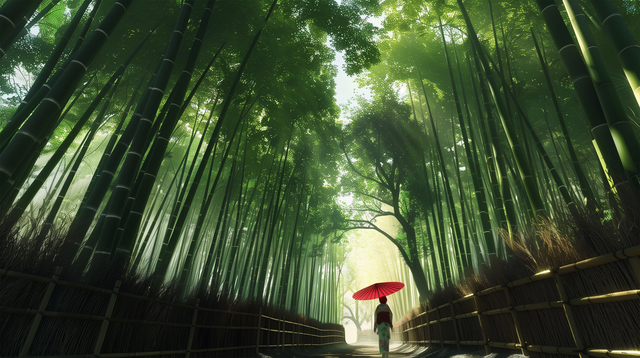
戦中・戦後:物資の欠乏の中で灯した光/Wartime and Post-war: A Light Lit Amidst the Shortage of Goods
戦時下、社会は「良妻賢母」という規範を女性たちに強く求めました。これは、単に家庭を守るだけでなく、「お国のため」という国家的な大義を女性が担うことを意味していました。夫が出征した後、女性たちは文字通り一家の全てを背負い、家計の管理から子供の教育、高齢の親の介護まで、あらゆる責任を一身に引き受けました。
During wartime, society strongly demanded that women adhere to the ideal of “good wife, wise mother.” This meant not only protecting the home but also having women bear the national cause of “for the sake of the country.” After their husbands went to war, women literally shouldered the entire family, taking on all responsibilities from managing the household finances to educating the children and caring for elderly parents.
戦時中は、物資が極端に欠乏するという厳しい状況でした。食料は満足に手に入らず、衣類も不足しがちでした。しかし、そのような困難な状況下でも、女性たちは創意工夫を凝らし、日々の生活を支え続けました。食料の代用食を工夫し、限られた食材を最大限に活用しました。例えば、麦や芋などを混ぜて量を増やしたり、野菜の葉や根も無駄にせず調理しました。
During the war, there was a severe shortage of goods, creating harsh conditions. Food was not readily available, and clothing was often scarce. However, even in such difficult circumstances, women used their ingenuity to continue supporting daily life. They devised substitute foods and made the most of limited ingredients. For example, they mixed wheat and potatoes to increase the quantity, and they cooked vegetable leaves and roots without wasting them.
古い着物を繕っては仕立て直し、家族の衣服を確保しました。着古した布を再利用し、新たな衣服や日用品を作り出すこともありました。このように、「ないもの」に心を奪われ、不足を嘆くのではなく、「あるもの」を最大限に活かすための創意工夫こそが、困難な時代を生き抜くための知恵であり、家庭に希望の光を灯し続ける術でした。女性たちは、限られた資源の中で、家族の生活を守り、未来へと繋ぐために、たゆまぬ努力を続けたのです。
Old kimonos were mended and refashioned to provide clothing for the family. Worn-out fabrics were repurposed to create new clothes and everyday items. In this way, rather than being consumed by what was lacking and lamenting the shortages, the ingenuity to make the most of “what was available” was the wisdom to survive difficult times and the art of keeping the light of hope burning in the home. Women tirelessly continued their efforts to protect their families’ lives and connect them to the future within the limited resources they had.
それは決して華やかな「自己実現」の形ではありませんでしたが、極限状況の中で家族の心と体を支え、子どもたちに笑顔を絶やさないように努めた姿は、困難に立ち向かう精神的な強さ、つまり「ポジティブな生き方」の原点と言えます。戦後の焼け野原から立ち上がる時も、その底抜けの明るさと実務的な活力は、日本の復興の土台となりました。
It was never a glamorous form of “self-actualization,” but the way she supported her family’s mind and body in extreme circumstances, striving to keep smiles on her children’s faces, can be called the origin of the mental strength to face difficulties, in other words, a “positive way of life.” Her boundless optimism and practical vitality also formed the foundation for Japan’s reconstruction when rising from the post-war ruins.
高度経済成長期:「専業主婦」の誕生/The High Economic Growth Period: The Birth of the “Full-Time Housewife”
日本経済が目覚ましい成長を遂げ、社会全体が大きく変化していく過程で、核家族化という家族形態が一般化しました。このような社会の変化を背景に、「専業主婦」という生き方が、多くの女性にとって魅力的な選択肢として定着していきました。専業主婦という役割を担う女性たちは、家庭を円滑に運営し、家族の生活を支えることを自らの仕事と捉え、そのための専門的な知識やスキルを磨くことに励みました。
As the Japanese economy achieved remarkable growth and society as a whole underwent significant changes, the nuclear family became the standard family structure. Against the backdrop of these social changes, the lifestyle of the “full-time housewife” became established as an attractive option for many women. Women who took on the role of full-time housewife considered it their job to manage the household smoothly and support the lives of their families, and they devoted themselves to honing the specialized knowledge and skills required for this.
彼女たちは、家計の管理、日々の食事の準備、住まいの維持管理など、家庭生活全般にわたる責任を担い、その能力を発揮することで、家庭の安定と発展に貢献しました。夫が仕事に専念できる環境を整えることも、専業主婦の重要な役割の一つでした。夫を外で働かせることで、妻は家事や育児に集中することができ、その「質」を高めることに情熱を注ぎました。
They were responsible for and demonstrated their ability in all aspects of domestic life, including managing the household finances, preparing daily meals, and maintaining the home, thereby contributing to the stability and development of the family. Creating an environment where the husband could concentrate on his work was also an important role of the full-time housewife. By having the husband work outside the home, the wife was able to concentrate on housework and childcare, focusing her passion on improving the “quality” of these tasks.
子供たちの成長に合わせた教育環境を整えたり、栄養バランスの取れた食事を用意したり、常に清潔で快適な住環境を維持したりするなど、細部にまで心を配り、家族の幸福を追求しました。このように、専業主婦は、家庭という組織を「管理」するプロフェッショナルとして、家族の生活の質を高めるために、多大な貢献をしたと言えるでしょう。
I meticulously attended to every detail to ensure my children had the best possible educational environment as they grew, prepared nutritionally balanced meals, and maintained a consistently clean and comfortable home. In this way, full-time homemakers have served as professionals managing the household, making significant contributions to improving the quality of life for their families.
一見すると家庭内に閉じこもったようにも見えますが、この時代の女性が追求したのは、「家庭内の幸福度」です。季節のしつらいや手料理、清潔な住空間など、目に見えない細部にまで心を配り、家族の休息と安らぎを守りました。彼女たちが作り出した「日本の豊かな家庭像」は、その後の社会の豊かさの基準を形づくる礎となりました。
At first glance, it may seem as though they were confined to the home, but what women of this era pursued was “domestic happiness.” They paid attention to invisible details such as seasonal decorations, home-cooked meals, and a clean living space, protecting the rest and relaxation of their families. The “rich Japanese family image” that they created became the foundation for shaping the standards of societal wealth that followed.
現代:小さな幸せをデザインする/Modern: Designing small happinesses
現代社会においては、価値観の多様性がますます進み、女性が職場や家庭の両方で活躍することが当たり前の光景となりました。このような時代において、女性たちの「前向きな生き方」は、以前にも増して、それぞれの個性や創造性を活かす方向に進んでいます。
In modern society, the diversity of values is increasingly progressing, and it has become commonplace for women to be active in both the workplace and at home. In such an era, women’s “positive ways of life” are moving in directions that utilize their individual personalities and creativity more than ever before.
しかい彼女たちは、固定観念にとらわれず、自分らしい生き方を追求し、その過程で新たな価値を生み出しています。社会の変化とともに、女性の生き方も進化し、彼女たちの創造性は、社会全体に多様性と活力をもたらしていると言えるでしょう。
Breaking free from stereotypes, these women pursue their own unique ways of life, creating new value in the process. As society changes, so too does the way women live, and their creativity brings diversity and vitality to society as a whole.
冒頭の女性が口ずさむメロディーのように、現代の女性は、仕事や育児、介護といった多忙な日々のなかで、あえて情報過多な世界から距離を置き、「自分らしいリズム」を大切にしています。音楽を聴きながら家事を効率化したり、短時間でも趣味の時間を確保したりと、自分自身の「ごきげん」を自ら創り出す技術に長けています。
Like the melody hummed by the woman at the beginning, modern women, amidst their busy days of work, childcare, and elder care, deliberately distance themselves from the information-saturated world and value “their own rhythm.” They are skilled at creating their own “good mood” by streamlining housework while listening to music, or securing time for hobbies even for short periods.
これは、社会的な成功だけを追うのではなく、「自分にとっての幸福とは何か」を問い直し、日常の小さな幸せをデザインするという、極めて現代的で本質的な生き方です。
This is an extremely modern and essential way of life, one that reconsiders “what is happiness for me” rather than just pursuing social success, and designs small, everyday happiness.
時代を超えた普遍的な力/Timeless universal power
戦中、戦後から現代に至るまで、日本人女性のポジティブな生き方は、環境に流されるのではなく、「今、ここで何ができるか」を問い続け、生活を愛でる力に満ちていました。日々の小さな出来事から喜びを引き出し、それを周囲に波及させる、このしなやかで力強い「ささやかな創造力」こそが、変化の時代を生き抜く私たちの社会を静かに、しかし力強く支えています。
From wartime through the post-war period to the present day, the positive way of life of Japanese women has been characterized not by being swayed by their environment, but by continuing to ask, “What can I do now, here?” and by being full of the power to cherish life. This flexible and strong “modest creativity”—drawing joy from small daily events and spreading it to those around them—quietly but powerfully supports our society as we live through an era of change.
日本女性たちの生き方は、欧米からの特定の思想や価値観(ジェンダーフリーやキャリア優先)を盲従するのではなく、独自の文化、環境、そして「今、ここで何ができるか」という現実的な判断に基づいています。家族と社会のウェルビーイング(身体的、精神的、社会的に良好な状態)を静かに、しかし力強く創造し続けてきたという点で、普遍的で本質的な力といえます。
The way Japanese women live is not about blindly following specific ideas and values from Europe and the United States (such as gender equality or prioritizing career), but is based on their own unique culture, environment, and the realistic judgment of “what can be done here and now.” It can be said to be a universal and essential strength in that they have quietly, but powerfully, continued to create well-being (a good physical, mental, and social state) for their families and society.
この「生活を愛(め)でる力」、つまり日々の暮らしの中に喜びや美しさを見出す感性と、「環境変化に対応する強靭さ」、言い換えれば、変化の激しい時代においても柔軟に、そして力強く生き抜くための精神的な強さ。これら二つの要素に深く根差した「しなやかで前向きな生き方」は、まるで一本の強い幹から伸びる枝葉のように、時代という時の流れを超えて、社会全体をしっかりと支え続けていくでしょう。
This “ability to cherish life,” that is, the sensibility to find joy and beauty in daily life, and “resilience to adapt to environmental changes,” in other words, the mental strength to live flexibly and powerfully even in an era of rapid change. This “flexible and positive way of life,” deeply rooted in these two elements, will continue to support society as a whole, transcending the flow of time, like branches extending from a strong trunk.
日本女性の生き方は、心の充足と平和な日本新時代の到来を告げるものと感じられます。彼女たちは生まれながらの芸術家でした。そして今、その存在は世界が求める精神的な充足を重視する社会への、希望に満ちたメッセージとなるでしょう。
I feel that the way Japanese women live signals a new era of fulfillment and peace for Japan. They were artists from birth. And now, their existence will be a hopeful message to the world: a society that values the spiritual fulfillment that the world seeks.