『鬼滅の刃』以外にも、神道の要素を含むアニメは多数存在します。以下に例を挙げ、その他、海外の神社についても紹介します。
There are much anime besides “Demon Slayer” that contain Shinto elements. Here are some examples. In addition, I will introduce overseas shrines.
スタジオジブリ作品/Studio Ghibli Movies
『もののけ姫』: 自然を司る神々(シシ神など)や、自然と人間との共存がテーマになっており、アニミズム(精霊信仰)や多神教的な世界観が色濃く反映されています。
Princess Mononoke: The theme is the gods who govern nature (such as the Shishigami) and the coexistence of nature and humans, and it strongly reflects animism (spirit belief) and a polytheistic world view.
『千と千尋の神隠し』: 八百万の神々が集まる湯屋が舞台となっており、神様や妖怪の存在、そして「穢れ」を清めるという神道的な思想が物語の根幹にあります。
Spirited Away: Set in a bathhouse where myriad gods gather, the story has at its core the existence of gods and spirits, and the Shinto idea of purifying “impurity.”
その他のアニメ/Other Animation
『夏目友人帳』: 妖怪と人間が共存する世界を描いており、自然界に存在する様々な存在(神や妖怪)に対する日本古来の畏敬の念が感じられます。
Natsume’s Book of Friends: It depicts a world where yokai and humans coexist, and you can feel the ancient Japanese reverence for the various beings that exist in the natural world (gods and yokai).
『かみちゅ!』: 広島県尾道市を舞台に、ある日突然神様になってしまった女子中学生の日常を描く物語です。神社や神主など、神道が身近な存在として描かれています。
Kamichu!: This is a story set in Onomichi City, Hiroshima Prefecture, depicting the daily life of a junior high school girl who suddenly becomes a goddess one day. Shinto, including shrines and priests, is portrayed as a familiar presence.
『ノラガミ』: 無名の神である主人公・夜トが人々の願いを聞くために奔走する物語で、神様や神器、妖怪といった存在が登場します。
Noragami: This is a story about a protagonist named Yato, a nameless god, who strives to grant the wishes of people, and features gods, sacred treasures, and apparitions.
『いなり、こんこん、恋いろは。』: 京都の伏見稲荷大社を舞台に、神様との交流を描くラブコメディーです。稲荷神をはじめとする神々や、神社を巡る物語が展開されます。
Inari, Konkon, Koi Iroha: A romantic comedy depicting interactions with gods, set in Kyoto’s Fushimi Inari Shrine. The story unfolds around gods, including the Inari god, and shrines.
『RDG レッドデータガール』: 世界遺産に登録された熊野古道を舞台に、神社の巫女の家系に生まれた主人公の成長を描くファンタジー作品です。神道の修行や儀式などが登場します。
RDG Red Data Girl: A fantasy work that depicts the growth of the protagonist, who was born into a family of shrine maidens, set on the Kumano Kodo pilgrimage routes, a World Heritage Site. Shinto training and rituals appear in the story.
『すずめの戸締まり』: 廃墟に現れる「扉」を閉める旅に出る主人公の物語で、地震を鎮めるための要石や土地の神など、日本古来の信仰や神話がモチーフになっています。
Sparrow’s door closing: A story about a protagonist who embarks on a journey to close “doors” that appear in ruins, with Japanese ancient beliefs and myths as motifs, such as keystones to quell earthquakes and land gods.
台湾の神社/Shrines in Taiwan
日本による台湾統治時代(1895年~1945年)には、日本人の精神的支柱として、台湾各地に200以上の神社が建立されました。しかし、第二次世界大戦後、多くの神社は破壊されたり、中華民国の英霊を祀る「忠烈祠」に改築されたりしました。
During the period of Japanese rule in Taiwan (1895-1945), more than 200 Shinto shrines were built throughout Taiwan as spiritual support for the Japanese. However, after World War II, many shrines were destroyed or rebuilt as “Martyrs’ Shrines,” which enshrine the spirits of the Republic of China.
それでも、すべての神社が消滅したわけではありません。近年では、日本統治時代の遺構を歴史的文化財として見直す動きがあり、再建されたり、当時の建物が保存されたりしている場所もあります。
Even so, not all shrines have disappeared. In recent years, there has been a movement to re-evaluate the remains of the Japanese colonial period as historical and cultural assets, and there are places where they have been rebuilt or where buildings from that time have been preserved.
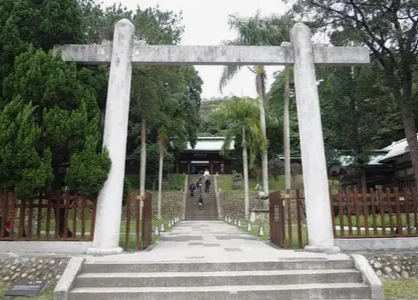
桃園神社(とうえんじんじゃ): 創建当時の社殿などが良好な状態で残っており、現在では「桃園忠烈祠」として利用されつつも、観光地や文化交流の場として親しまれています。2022年には、77年ぶりに「桃園神社」として再興されました。
Taoyuan Shrine: The shrine buildings from the time of its establishment remain in good condition. Currently, while being used as the “Taoyuan Martyrs’ Shrine,” it is also popular as a tourist destination and a place for cultural exchange. In 2022, it was restored as “Taoyuan Shrine” for the first time in 77 years.
鹿野神社: 2015年に、かつてあった神社の鳥居などが再建され、「鹿野神社」として蘇りました。
Kano Shrine: In 2015, the torii gate and other structures of the former shrine were rebuilt, reviving it as “Kano Shrine.”
金瓜石神社(きんかせきじんじゃ): かつて鉱山で栄えた金瓜石(きんかせき)にあり、鳥居や石灯籠などの遺構が残っています。
Jinguashi Shrine: Located in Jinguashi, which once prospered as a mining town, it has remnants such as torii gates and stone lanterns.
このように、台湾ではかつての神社の遺構や再建されたものが、歴史的な場所として今も大切にされています。これらの神社は主に、日本からの移民が心のよりどころとして建てたものや、神道に関心を持った現地の人が設立したものに大別されます。台湾の神社は「パワースポット」としても人気があるようです。
In Taiwan, the remnants and reconstructions of former Shinto shrines are still valued today as historical sites. These shrines are largely divided into those built by Japanese immigrants as places of spiritual support and those established by locals interested in Shinto. Shrines in Taiwan seem to be popular as “power spots” as well.
移民が建立した神社/Shrine built by immigrants
During the period when Japan was actively promoting immigration, many Japanese immigrated, especially to Hawaii and Brazil. They sought emotional stability by worshipping the gods of their homeland and built shrines in various places.
日本が移民を積極的に進めていた時代、特にハワイやブラジルには多くの日本人が移住しました。彼らは、故郷の神を祀ることで心の安定を求め、各地に神社を建立しました。
During the period when Japan was actively promoting immigration, many Japanese immigrated, especially to Hawaii and Brazil. They sought emotional stability by worshipping the gods of their homeland and built shrines in various places.
ハワイ: ハワイには今も複数の神社が活動しており、特にホノルルの「ハワイ出雲大社」は、現地の日系人だけでなく、多くの人々に親しまれています。
Hawaii: Several shrines are still active in Hawaii, especially the Hawaii Izumo Taisha in Honolulu, which is popular among many people, not only local Nikkei.
ブラジル: ブラジルも多くの日本人が移住した国であり、サンパウロ近郊などに、今も参拝可能な神社が残っています。
Brazil: Brazil is another country where many Japanese immigrated, and there are still shrines in the suburbs of Sao Paulo and other areas where people can visit to pray.
現地の人が設立した神社/Shrines established by local people
最近では、日本のアニメや文化を通じて神道に興味を持つ外国人が増え、自ら神社を建てる動きも見られます。これらは日本の神社本庁の管轄下にはない場合が多いですが、現地の信仰の場として機能しています。
Recently, more and more foreigners have become interested in Shinto through Japanese anime and culture, and some are building their own shrines. In many cases, these are not under the jurisdiction of the Japanese Shinto Shrines Agency, but they function as places of local faith.
アメリカ: ワシントン州には「アメリカ椿大神社」という神社があり、アメリカ人神職が祭祀を執り行っています。
U.S.A.: In Washington State, there is a shrine called “American Tsubakidai Shrine” where American priests perform rituals.
ヨーロッパ: オランダやフランス、サンマリノなどにも、現地の人が中心となって運営している神社や神道の道場が存在します。
Europe: Shrines and Shinto dojos run by local people also exist in the Netherlands, France, and San Marino.
これらの海外の神社は、第二次世界大戦後にその多くが失われましたが、再建されたり、文化遺産として保存されたりして、日本文化や信仰の伝承の場となっています。近年、SNSなどで日本文化の価値が広まる中、これら神社を訪れる外国人が増えているのです。
Many of these foreign shrines were lost after World War II, but have been rebuilt or preserved as cultural heritage sites, serving as places to pass on Japanese culture and beliefs. In recent years, as the value of Japanese culture has spread through social networking sites, more and more foreigners are visiting these shrines.