マクドナルドの奇跡/The McDonald’s Miracle
1917年のロシア革命から長く続いた共産主義ソビエト連邦。共産主義独裁体制下のソビエトでは、国民同士が心から笑顔で語り合う光景はほとんど見られませんでした。独裁体制下では、近隣や友人同士でも裏切りが起こり得ます。共産主義国家は監視社会であり、密告が常態化する社会構造であったため、親密な人間関係を築くこと自体が困難でした。これこそが、独裁国家の統治システムなのです。
The Communist Soviet Union lasted for a long time, starting with the Russian Revolution of 1917. In the Soviet Union under the communist dictatorship, scenes of citizens genuinely smiling and talking to each other were rarely seen. Under the dictatorship, betrayal could occur even between neighbors and friends. Because communist states were surveillance societies where informing was common, building close personal relationships was difficult. This is precisely the governing system of a dictatorship.
1990年1月、米国マクドナルドハンバーガー店がモスクワで初めて開店しました。ご存じのとおり、マクドナルドの接客は「笑顔」が基本です。開店当初、モスクワの市民は、マクドナルドのスタッフが絶えず笑顔で対応することを「不思議」に感じ、「気味が悪い」とさえ思ったそうです。そんな奇妙なファストフード店の噂は、たちまちモスクワ中に広まっていきました。無表情が当たり前で、笑顔に嫌悪感さえ抱く当時の市民にとって、「笑いは不真面目さの表れである」というのがソビエトの文化だったのです。
In January 1990, the first McDonald’s hamburger restaurant in Moscow opened. As you know, McDonald’s customer service is based on “smiles.” At the time of its opening, Moscow citizens found it “strange” and even thought it was “creepy” that McDonald’s staff constantly smiled. The rumor of such a strange fast food restaurant quickly spread throughout Moscow. For the citizens of the time, for whom expressionlessness was the norm and who even felt disgusted by smiles, “laughter was a sign of unseriousness” was the Soviet culture.
笑顔が変えるものは?/What can a smile change?
モスクワ・マクドナルド開店から一週間も過ぎると、お店の前には長蛇の列ができるようになっていました。モスクワ市民も最初は興味本位だったに違いありませんが、彼らの「笑いに対する抵抗感」は徐々に崩れていったのです。誰もが「笑顔で優しく丁寧」なマクドナルドスタッフの対応に、凝り固まっていた心を開いていきました。中には、スタッフの笑顔を見るためだけに店を訪れる市民もいたようです。いずれにせよ、店の周りはいつも混雑し、マクドナルドはビジネスとして大きな成功を収め続けました。
More than a week after the opening of McDonald’s in Moscow, long lines began to form in front of the restaurant. Initially, Muscovites were probably just curious, but their “resistance to smiles” gradually broke down. Everyone began to open their hardened hearts to the “smiling, kind, and courteous” service of the McDonald’s staff. Some citizens even seemed to visit the restaurant just to see the staff’s smiles. In any case, the area around the restaurant was always crowded, and McDonald’s continued to enjoy great business success.
独裁国家に限らず、政治の統治機構は法律や条例、倫理規範などを背景に、一定の強制力や権威を有しています。民主主義国家であっても、政治的な不透明さや開示できない「闇」を秘める独裁的傾向を持つことがあります。これらの権力構造が固定化し、公然の秘密として維持されているのが独裁国家と言えるでしょう。そして、このような統治構造を持つ国からは、人々の自然な「笑顔」が消えてしまう傾向があります。
Political governance, not limited to dictatorships, possesses a certain degree of coercion and authority, backed by laws, regulations, ethical codes, and the like. Even democratic nations can harbor dictatorial tendencies, concealing political opacity and undisclosed “darkness.” When these power structures become entrenched and maintained as open secrets, it can be considered a dictatorship. Furthermore, countries with such governance structures tend to see the disappearance of people’s natural “smiles.”
しかし、民主主義国家においては、その「闇」の部分が、自由な言論や報道、そして市民社会の監視によって暴かれ、是正される機会が与えられています。独裁国家においては、これらの自己修正機能が欠如しているため、権力の腐敗や不正が蔓延し、社会全体の活力を奪っていくのです。結果として、人々は権力への恐怖や無力感から、自己表現を抑制し、心の底からの「笑顔」を見せることが難しくなります。社会全体が、抑圧された雰囲気と閉塞感に包まれてしまうのです。
However, in democratic countries, the “dark” aspects are exposed and corrected through free speech, the press, and the monitoring of civil society. In autocratic countries, these self-correcting functions are absent, leading to widespread corruption and injustice, which robs society of its vitality. As a result, people suppress self-expression out of fear and powerlessness towards authority, making it difficult to show a genuine “smile.” Society as a whole becomes enveloped in an atmosphere of oppression and stagnation.
政治バランスを構築する最大の武器/The greatest weapon for building political balance
しかし現代では、SNSの普及が、権威主義的な国家に対しても、人々の率直な意見や笑いを通じた批判を、国境を越えて拡散する力を持っています。その結果、威厳や力による統治機構が、時として滑稽な「裸の王様」のように見えてしまうことがあります。
However, in modern times, the spread of social media has given people the power to disseminate frank opinions and criticism through laughter across borders, even to authoritarian states. As a result, governing structures based on dignity and power can sometimes appear as comical “naked emperors.”
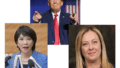
国際政治においても、軍事力や経済力といった従来のハードパワーだけでなく、外交における信頼性やソフトパワーが、力関係を逆転させる重要な要素となっています。例えば、高市早苗首相がG20サミットなどで見せたさわやかさと友好的な姿勢は、国際社会からの大きな信頼という形で、かつての力学とは異なる影響力を生み出しました。
In international politics, not only traditional hard power such as military and economic strength, but also soft power and reliability in diplomacy are important factors in reversing power relationships. For example, the refreshing and friendly attitude shown by Prime Minister Sanae Takaichi at the G20 summit and other events has created influence different from the old power dynamics, in the form of great trust from the international community.
この状況が世界の人々の価値観にもたらした最大の変化は、国際的な場における権威の相対的な低下です。軍事力や経済力を背景とした一方的な影響力は、国際的信頼という偉大な力の前にその効力を失うのです。新政権が国際舞台で示したように、威圧ではなく、国際社会に開かれた「笑顔の外交」こそが、新たな世界の政治バランスを構築する最大の武器となり得るのです。
The biggest change this situation has brought to the values of people around the world is the relative decline of authority in the international arena. Unilateral influence based on military and economic power loses its effectiveness in the face of the great power of international trust. As the new administration has shown on the international stage, “smile diplomacy” open to the international community, rather than coercion, can be the greatest weapon for building a new global political balance.
安易な支援は「焼け石に水」/Easy support is like ”pouring water on a burning stone.”
残念ながら世界は笑顔に満ちているとはいえません。むしろ世界は怒りと悲しみに満ちている。そこには貧困と差別があり、対立や紛争の方が圧倒的に多いのが現状です。いわゆる先進国の支援は、まるで「焼け石に水」で、実質的な効果は発揮できないままです。それは支援や援助に多くの不透明さや、各国関係者の利害が絡んでいるからです。
Unfortunately, the world is not full of smiles. Rather, the world is full of anger and sadness. Poverty and discrimination exist, and conflicts and disputes are overwhelmingly more common. The support from so-called developed countries is like a “drop in the bucket,” and its practical effect remains unrealized. This is because there is a lot of opacity in support and aid, and the interests of various countries are intertwined.
支援や援助の裏には「信頼関係」という最も重要な要素が欠けているからです。信頼関係なくしては、真の協力は生まれません。結局、世界はそれぞれの国が、それぞれの立場で、それぞれの利益を追求する場所であり、そこには普遍的な正義や倫理観など存在しないのかもしれません。理想を掲げることは簡単ですが、現実の前では無力です。世界は常に変化し、複雑さを増していくばかりで、私たちはその流れに翻弄されてきたのかもしれません。
Because the most important element, “trust,” is lacking behind support and aid. Without trust, true cooperation cannot be born. In the end, the world is a place where each country pursues its own interests from its own standpoint, and perhaps there is no universal justice or ethics there. It is easy to hold up ideals, but they are powerless in the face of reality. The world is constantly changing and only becoming more complex, and we may have been at the mercy of that current.
国境を越えた言語/Cross-border language
もっと突き詰めて考えてみましょう。世界は本当に複雑な構造なのでしょうか。世界とは、すべてが人間の頭の中で作られた虚構のように見えないだろうか。頭ではないのです。理屈ではないのです。立派な理論でも数字やデータでもありません。それらは誰も理解できないのです。人々が真に理解できるものとは「頭」ではなく「心」で受け止めたものです。「笑顔」とは人種や国境を越えた「心と心の会話」を成立させる世界共通の言語だと言えます。
Let’s think about this more deeply. Is the world really a complex structure? Doesn’t the world seem like a fiction created entirely within the human mind? It’s not the head. It’s not logic. It’s not a grand theory, numbers, or data. No one can understand those things. What people can truly understand is what they accept with their “heart,” not their “head.” A “smile” can be said to be a universal language that establishes a “heart-to-heart conversation” that transcends race and national borders.
「笑顔」は打算や策略とは無縁の、純粋な感情の表れです。ビジネスにおける「笑顔」は、一見、友好的な関係を築くためのテクニックのように見えますが、心のこもっていない「笑顔」は、すぐに見抜かれてしまいます。本当に相手を思いやる「心」から生まれた「笑顔」だけが、人の心を動かし、信頼関係を築くことができるのです。世界は複雑に見えて、実は「心」さえ繋がればとてもシンプルなものなのかもしれません。
A smile is an expression of pure emotion, free from calculation or strategy. In business, a smile may seem like a technique for building friendly relationships, but an insincere smile is quickly seen through. Only a smile born from a genuine concern for others can move people’s hearts and build trust. The world may seem complex, but in reality, it may be very simple if only hearts are connected.