黒潮文化圏/Kuroshio Culture Area
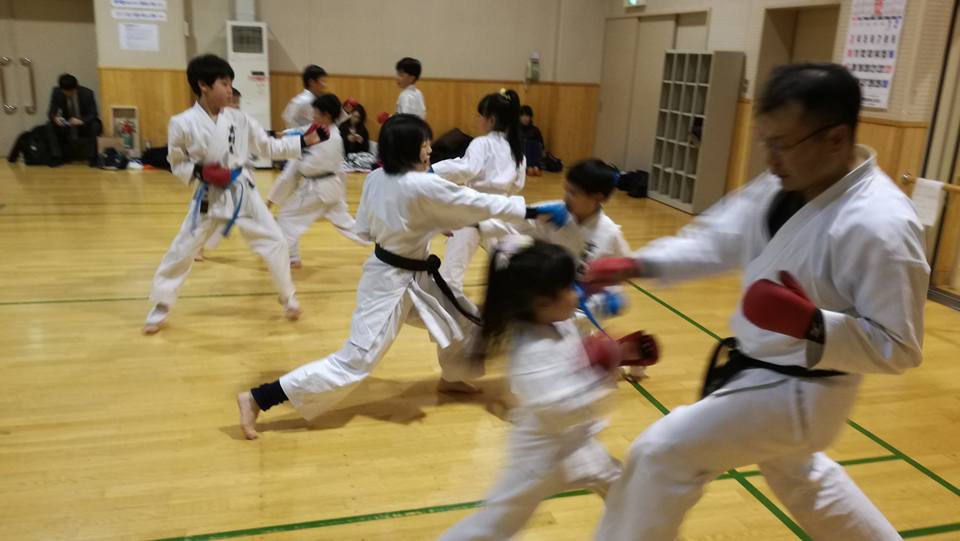
南国・沖縄に生まれた空手が、吹雪舞う北の大地・北海道で息づいている。その事実に触れるたびに思う。文化とは、「道」のように人の心と心を越えてつながるものなのだと。かつて琉球(沖縄)から戦うことに長けた男がやってきて、空手の技を北海道の人々に伝授したと思われます。そしてそのつながりのなかに、私たちが問い続けてきた「日本人とは何か」という輪郭が、ふと浮かび上がってくるのです。
Karate, born in the southern land of Okinawa, thrives in Hokkaido, the northern land of swirling snow. Every time I encounter this fact, culture is like a “route,” connecting people’s hearts and minds beyond boundaries. Long ago, a man skilled in fighting came from Ryukyu (Okinawa) and taught the art of karate to the people of Hokkaido. And within that connection, the outline of “what is Japanese” that we have continued to question suddenly emerges.
沖縄料理の出汁には、古くから北海道産の昆布が欠かせないといいます。南から北へと流れる黒潮は、対馬海峡を抜け、日本海沿岸を北上します。遠い昔、この潮に乗って、沖縄と北海道のあいだで人と文化が行き交っていたのも事実です。神社の祭神、風俗、 方言などにも多くの共通点があり一つの「黒潮文化圏」を形成しています。古来より南は遠く南洋諸島や琉球から、 北は陸中海岸や北海道からも海流に乗って伊豆半島に渡来者があったと言われています。
It is said that kelp from Hokkaido has been essential for Okinawan cuisine’s soup stock since ancient times. The Kuroshio Current, flowing from south to north, passes through the Tsushima Strait and travels north along the coast of the Sea of Japan. It is also true that people and culture traveled between Okinawa and Hokkaido on this current in the distant past. There are many commonalities in the enshrined deities of shrines, customs, dialects, and so on, forming a single “Kuroshio cultural sphere.” It is said that since ancient times, people have come to the Izu Peninsula on ocean currents from the South Sea Islands and Ryukyu in the south, and from the Rikuchu coast and Hokkaido in the north.
この二つの地域は、地理的にも文化的にも本州の中心から遠く離れています。それぞれが独自の言葉と伝統を育み、守り抜いてきました。それでいて、外から来る人びとを拒まないおおらかさもあります。「北海道国」「沖縄国」と呼びたくなるような、自立した誇りと優しさをあわせ持つ土地。その風土には、「日本のもうひとつの顔」が映し出されているように思えます。
These two regions are geographically and culturally far removed from the center of Honshu. Each has cultivated and preserved its own unique language and traditions. And yet, they also possess a generosity that does not reject people from the outside. They are lands that combine an independent pride and kindness, making you want to call them “Hokkaido Country” and “Okinawa Country.” It seems to me that their climate reflects “another face of Japan.”
日本の中の異国/A foreign country within Japan
北海道には、開拓者たちの自由闊達な精神が、沖縄には琉球王国時代からの交易文化が息づいています。いずれも、他者を受け入れ、助け合いながら生きてきた歴史があります。よそ者に心をひらき、人なつこく、ときに照れくさそうに微笑む──そんな人間らしさが、共通の気質として根を下ろしているのです。
In Hokkaido, the pioneers’ open-minded spirit lives on, while in Okinawa, the trading culture from the Ryukyu Kingdom era is still alive. Both regions have a history of accepting others and helping each other. Opening their hearts to outsiders, being friendly, and sometimes smiling shyly – such humanity is rooted as a common trait.
ふと感じませんか。北海道と沖縄には、どこか縄文文化の香りが漂っているように──。海で隔てられたこの両極の地に、日本人の「原型」が残っているのではないかと。
Don’t you ever get the feeling that Hokkaido and Okinawa have a certain Jomon culture scent about them? I wonder if the “prototype” of the Japanese people remains in these two extreme regions separated by the sea.
かつて縄文の民たちは、海を越えて交わり、互いの暮らしや精神をつないでいったとされます。北海道と沖縄に流れる空気には、その「ひとつながりの魂」の記憶が、たしかに息づいているようです。その面影に触れたくて、人は「日本の中の異国」を旅するのかもしれません。
It is said that in the past, the Jomon people crossed the sea to interact and connect their lives and spirits. The air flowing through Hokkaido and Okinawa certainly seems to hold the memory of that “single, connected soul.” Perhaps people travel to “foreign lands within Japan” in search of traces of that past.
このふたつの地は、文化的多様性の象徴ともいえる存在です。縄文の昔から、日本列島の住民は海の彼方から人と文化を受け入れてきました。そうした記憶が、いまもこの地の寛容さや温かさとなって、静かに佇んでいるのです。
These two lands can be called symbols of cultural diversity. Since the Jomon period, the inhabitants of the Japanese archipelago have accepted people and culture from across the sea. Those memories still linger in the tolerance and warmth of this place, standing quietly.
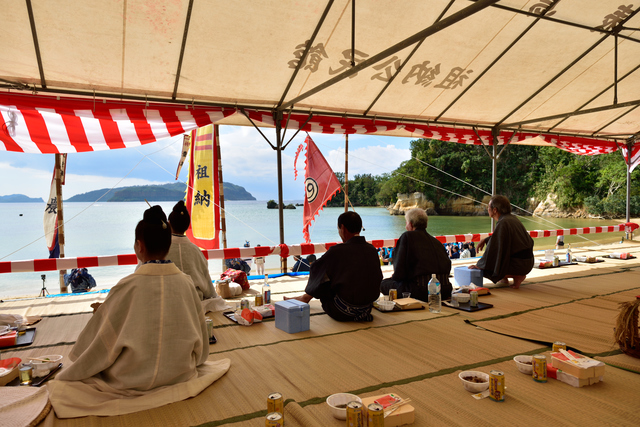
lived their lives facing the sea
遠い祖先の声/Voices of Distant Ancestors
また、北海道と沖縄には「時間に追われない」「人との距離が近い」といった都市部とは異なる空気感が漂っています。自然のリズムとともに生き、地域社会と深く結びつきながら紡がれる暮らし──そこに、かつて失われかけた人間本来の姿があるように思えます。
Hokkaido and Okinawa also have an atmosphere that differs from that of urban areas, such as “not being pressed for time” and “being close to people.Living in harmony with the rhythms of nature and deeply connected to the local community, these are the true essence of human nature, which was once nearly lost.
私たちが「日本人らしさとは何か」と問いかけるとき、その答えは案外、北と南のはざまにひっそりと佇んでいるのかもしれません。縄文文化と弥生文化の痕跡は、沖縄から九州、四国、そして青森や北海道にいたるまで広がっています。貝塚や遺跡が語るのは、自然と調和し、違いを受け入れて生きてきた祖先たちのまなざしです。
When we ask, “What does it mean to be Japanese?” the answer might quietly reside somewhere between the north and the south. The traces of Jomon and Yayoi cultures extend from Okinawa to Kyushu, Shikoku, and even as far as Aomori and Hokkaido. Shell mounds and archaeological sites tell the story of ancestors who lived in harmony with nature and embraced differences.
北海道と沖縄には、そうした知恵や精神が、いまも確かに息づいています。そして何より、静かに明日を信じ、歩みを止めない人々の姿があります。そのエネルギーは、縄文の記憶をまとった「もうひとつの日本」──未来へと手渡されるべき、大切な心のかたちです。
In Hokkaido and Okinawa, that wisdom and spirit still definitely live on. And above all, there are the figures of people who quietly believe in tomorrow and never stop walking. That energy is “another Japan” that carries the memory of the Jomon period—a precious form of the heart that should be passed on to the future.
この北と南の静けさは、まるで遠い祖先の声のように、私たちの内側へと語りかけてきます。耳をすませば、その声はきっと、今を生きる私たちの問いに静かに応えてくれているのです。
This stillness of north and south speaks to our inner selves, like the voice of distant ancestors. If we listen closely, that voice will surely answer our questions in silence, as we live in the present.