トランプ政権が戦っている相手/Who the Trump Administration is Fighting
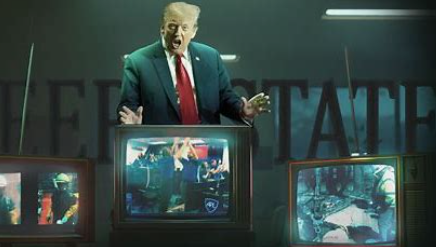
都市伝説とされていた「ディープステート」という言葉が、近年日本でも広く使われるようになってきました。米国ではトランプ政権が「ディープステート」と戦っています。「ディープステート」とは、官僚や利益団体が政治に影響力を持つ状況を指し、トランプ政権は、彼らが牛耳る米国の巨額予算を問題視しているのです。トランプ政権において、イーロン・マスク氏が率いる「対ディープステート組織」として、政府効率化省(Department of Government Efficiency:DOGE)が設立され、目覚ましい成果をあげています。
The term “deep state,” which was once considered an urban legend, has become widely used in Japan in recent years. In the United States, the Trump administration is fighting the “deep state.” The “deep state” refers to a situation in which bureaucrats and interest groups have influence over politics, and the Trump administration sees the enormous U.S. budget controlled by them as a problem. Under the Trump administration, the Department of Government Efficiency (DOGE), led by Elon Musk, was established as an “anti-deep state organization” and has achieved remarkable results.
彼らは、国防総省や情報機関などの官僚組織が、選挙で選ばれた指導者の意向に反して、独自の政策を追求していると主張している。トランプ大統領は、ディープステートとの戦いを公約に掲げ、政権内部の抵抗勢力を排除しようとしました。しかし、その試みは多くの困難に直面し、政権幹部の相次ぐ交代や、内部告発による情報漏洩などが相次いだのです。ディープステートの存在は、政治学や社会学の研究者によっても議論されており、その影響力や範囲については様々な見解があります。
They argue that bureaucratic organizations, such as the Department of Defense and intelligence agencies, are pursuing their own policies against the wishes of elected leaders. President Trump pledged to fight the deep state and attempted to eliminate resistance within his administration. However, the attempt faced many difficulties, including a series of resignations of senior administration officials and information leaks through whistleblowers. The existence of the deep state is also debated by researchers in political science and sociology, and there are various views on its influence and scope.
CIAなどの国際的情報機関は「海外支援」の名目で、米国の利益に反する国の政権転覆に関与してきました。これを後押ししているの「がグローバリズム」という潮流です。また、何千億円もの政府予算が投入されたNPOが、その実態は巨大な倉庫に数人の従業員しかいなかった、というような事例が多数あったのです。長年、米国の「ディープステート」は国家予算を不正に利用し、私腹を肥やしてきたとされ、「影の政府」として都市伝説のように語られてきたのです。
International intelligence agencies such as the CIA have been involved in the overthrow of regimes in countries that are contrary to U.S. interests, under the guise of “foreign aid.” This is encouraged by a trend called “globalism.” In addition, there have been many cases where NPOs, into which government budgets of hundreds of billions of yen have been invested, turned out to have only a few employees in a huge warehouse. For many years, the American “deep state” has allegedly misused the national budget to enrich itself and has been spoken of as an urban legend as a “shadow government.”
財務省幹部発言の背景/Background of Treasury Official’s Statement
2025年の参議院選挙において、積極的な財政出動と大規模な減税という政策を前面に押し出した参政党と国民民主党が、それぞれ議席を大きく伸ばし、それぞれ14議席と17議席を獲得するという結果となりました。この選挙結果は、長らく続いた緊縮財政政策からの明確な転換を求める、国民の強い意思が示されたものと解釈できます。
In the 2025 House of Councillors election, the Sansei Party and the Democratic Party for the People, which advocated proactive fiscal spending and large-scale tax cuts, significantly increased their seats, winning 14 and 17 seats respectively. This election result can be interpreted as a strong indication of the public’s desire for a clear shift away from the long-standing policy of fiscal austerity.
特に、両党が掲げた積極的な財政政策は、現在の経済状況に対する国民の不満を反映し、新たな経済成長への期待を抱かせたと言えるでしょう。さらに、この選挙結果は、これまでの官僚主導の政治からの脱却を目指す国民の民意が明確に表れたものと評価できます。国民は、より透明性が高く、国民のニーズに直接応える政治を求めており、今回の選挙はそのような国民の声が反映された結果であると考えられます。
In particular, the proactive fiscal policies advocated by both parties can be said to reflect public dissatisfaction with the current economic situation and raise expectations for new economic growth. Furthermore, these election results can be evaluated as a clear indication of the public’s desire to break away from the conventional bureaucratic-led politics. The public is seeking a more transparent government that directly responds to the needs of the people, and it is believed that this election is a result that reflects such public sentiment.
今回の選挙をうけて、財務官僚の「非常に良くない方向に向かっている」という発言が問題になりました。これは選挙で選ばれていない官僚による国民の意思の否定であり、民主主義の根幹を揺るがすものとして厳しく批判されています。この発言はSNS上で大きな反発を招き、「選ばれていない官僚が、選挙権をもつ国民の意思を否定するもの」という怒りの声が多数上がりました。
Following this election, a statement by a Finance Ministry official that things are “heading in a very bad direction” has become a problem. This is seen as a rejection of the people’s will by unelected bureaucrats and is being severely criticized as shaking the foundations of democracy. This statement has sparked a major backlash on social media, with many expressing anger that “unelected bureaucrats are rejecting the will of citizens who have the right to vote.”
長年議論されてきた「財政健全化」ですが、過去30年のデフレと賃金低迷を経験した国民は、その原因が財務省主導の緊縮財政路線にあると考えるようになったのです。今回の選挙結果は、財政健全化を優先する財務省の方針に対する国民の拒否を示すものと分析できます。
The “fiscal soundness” that has been debated for many years has led the people, who have experienced 30 years of deflation and wage stagnation, to believe that the cause lies in the Ministry of Finance-led austerity policy. The results of this election can be analyzed as indicating the public’s rejection of the Ministry of Finance’s policy of prioritizing fiscal soundness.
日本の「見えない支配」/Japan’s “invisible rule”
今回の選挙以後、財務省が持つ「予算編成権」と「査定権」という2つの権力が問題視されてきました。この力により、選挙でどんな政策が公約に掲げられても、最終的に予算を握っている財務省が認めなければ実行に移すことができません。
In the wake of this election, the Ministry of Finance’s two powers, namely “budget compilation rights” and “assessment rights,” have come under scrutiny. Due to this power, no matter what policies are pledged in the election, they cannot be implemented if the Ministry of Finance, which holds the purse strings, does not ultimately approve them.
官僚機構の頂点に立つ財務省は、予算を掌握する強大な力によって、他省庁には見られない国民の意思に反する発言さえ可能にすると言われています。このため、民主主義の原則とは異なり、日本の政策を実質的に支配する見えない支配構造が存在すると指摘されているのです。
It is said that the Ministry of Finance, standing at the top of the bureaucracy, possesses such immense power through its control of the budget that it can even make statements that contradict the will of the people, something unseen in other ministries. For this reason, it is pointed out that, contrary to the principles of democracy, an invisible power structure exists that effectively controls Japanese policy.
若者世代の台頭/The Rise of the Youth Generation
7月20日に投開票された今回の参院選では、若者・現役世代を中心に「国民民主党」と「参政党」への支持が集まりました。これは、彼らが過去30年の緊縮財政による影響を最も受け、将来への不安が強い世代の支持によるものと考えられます。こうした状況を背景に、両党はそれぞれ独自の政策を打ち出し、若者・現役世代の心をつかんだと言えるでしょう。国民民主党は、給料が上がる経済の実現や世代間の助け合いを重視する政策を掲げ、参政党は、積極的な財政出動や教育改革を訴えています。両党の政策が、将来への不安を抱える若者・現役世代にとって、希望の光となっているといえます。
彼らは、自分たちの世代が将来にわたって不利益を被るような政策には断固として反対し、政治家や官僚に対して、長期的な視点に立った政策立案を求めているのです。また、教育、雇用、社会保障など、自分たちの生活に直接影響を与える問題について、積極的に議論に参加し、政策決定プロセスへの関与を強めています。
日本の「ディープステート」/Japan’s “Deep State”.
日本の闇「ディープステート」に潜む官僚の天下り問題は、官僚の利害によって成り立つ構造であり、その財源は400兆円の特別会計に隠されています。この構造は納税者の目に触れることなく行われてきたのです。
The problem of amakudari, or “descent from heaven,” of bureaucrats, which lurks in Japan’s dark “deep state,” is a structure based on the interests of bureaucrats, and its financial resources are hidden in a 400 trillion yen special account. This structure has been carried out without being seen by taxpayers.
財務省は、特別会計の使途を明らかにしないまま、「国の借金1200兆円」と報道機関を通じて国民を煽り、増税を企てています。しかし、この主張は国内外の経済学者によって根拠がないと否定されているのです。
The Ministry of Finance, without clarifying the use of special accounts, incites the public through the media with the “national debt of 1200 trillion yen” to plan a tax increase. However, this claim is denied by economists both domestically and internationally as groundless.
日本の「ディープステート」を放置した責任は有権者にもあります。賢明な納税者として、政治家を常に監視すべきです。特に、中国寄りの議員など、外国勢力や利権に絡む議員は財務省に弱みを握られ、操られている可能性があります。
Voters are also responsible for neglecting Japan’s “deep state.” As prudent taxpayers, we should constantly monitor politicians. In particular, lawmakers involved with foreign powers or vested interests, such as those leaning towards China, may have their weaknesses seized by the Ministry of Finance and be manipulated.
政治家は政策の失敗や公約不履行の場合、選挙で有権者の審判を受けます。しかし官僚は、政治家に実行させた政策が失敗しても責任を負わない。日本の「ディープステート」とは、政治家を操り、その失態の責任を押し付け、巨額の国家予算を利権のために運用する組織のことです。
Politicians face the judgment of voters in elections when policies fail or promises are broken. However, bureaucrats bear no responsibility even if policies they made politicians implement fail. The “deep state” in Japan refers to an organization that manipulates politicians, foists responsibility for their blunders onto them, and uses huge national budgets for vested interests.