中国経済崩壊/China’s economic collapse
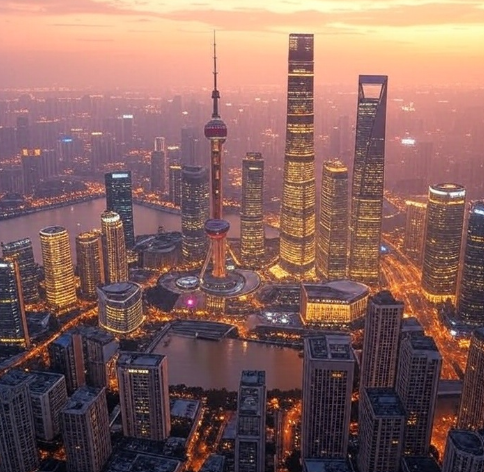
中国経済は、かねてより公表される統計データの信頼性に問題があると指摘されてきました。これは、地方政府が正確な数値を把握していなかったり、あるいは自らに都合の良いデータのみを公表したりといった、構造的な問題に起因します。しかし、近年、その実態は隠しきれなくなり、深刻な問題が表面化し始めています。
Concerns have long been raised about the reliability of publicly released statistics regarding the Chinese economy. This stems from structural issues such as local governments not accurately grasping the figures or only releasing data that is favorable to themselves. However, in recent years, the true state of affairs has become impossible to conceal, and serious problems are beginning to surface.
中国経済を牽引してきた不動産市場の崩壊は、最も顕著な問題の一つです。恒大集団などの大手不動産企業が相次いで債務不履行に陥り、地方経済に深刻な影響を与えています。住宅価格の下落や建設プロジェクトの停滞は、関連産業や地方財政にも打撃を与え、賃金の不払いも多発しています。これにより、失業者が増加し、当局が隠蔽しきれないほどの社会不安が広がっています。
The collapse of the real estate market, which has driven the Chinese economy, is one of the most prominent problems. Major real estate companies such as Evergrande Group have successively defaulted on their debts, which has had a serious impact on local economies. The decline in housing prices and the stagnation of construction projects have hit related industries and local finances, and wage arrears have occurred frequently. This has led to an increase in the number of unemployed people and widespread social unrest that the authorities cannot hide.
若年層の失業率上昇は、さらに深刻な社会問題となっています。公表されている都市部の若者失業率が20%を超える地域もありますが、これはあくまで公的な数字にすぎず、実態はさらに高いと見られています。一説には、若者の失業率は50%を超えるとも言われており、こうした状況は社会不安の大きな火種となり、治安当局も警戒を強めています。
The rising unemployment rate among young people is becoming an even more serious social problem. In some urban areas, the publicly announced youth unemployment rate exceeds 20%, but this is only the official figure, and the actual situation is believed to be even worse. Some reports suggest that the youth unemployment rate is over 50%, and this situation is a major cause of social unrest, prompting increased vigilance from public safety authorities.
習近平政権下で進められたテック企業や教育産業への統制強化は、イノベーションの停滞を招く原因となっています。成長産業への規制強化は、国際競争力を低下させかねませんが、これは政権内の権力闘争と密接に関連していると考えられています。指導部が新たな勢力の台頭を許さず、自身の権力基盤を守ろうとする動きが、民間活力を削いでいるのです。
The intensified controls over tech companies and the education industry under the Xi Jinping administration are causing stagnation in innovation. Strengthening regulations on growth industries could diminish international competitiveness, and this is thought to be closely related to power struggles within the government. The leadership’s unwillingness to allow the rise of new forces and its attempts to protect its own power base are undermining private sector dynamism.
「一帯一路」構想の停滞/Stagnation of the “One Belt, One Road” Initiative
国内の不安定な状況は、習近平政権の看板政策である「一帯一路」構想の停滞にもつながっています。中国の対外投資が縮小し、アジアやアフリカ諸国への影響力が低下する中、これらの国々では中国への依存から脱却しようとする動きが加速しています。中国の国際的な信用は低下しており、その回復は困難な状況です。
The unstable situation in China is also leading to the stagnation of the “Belt and Road” initiative, which is a signature policy of the Xi Jinping administration. As China’s foreign investment shrinks and its influence in Asian and African countries declines, these countries are accelerating their efforts to break away from dependence on China. China’s international credibility is declining, and its recovery is proving difficult.
同時に、この中国の弱体化は、米中対立におけるアメリカの地政学的な優位を一層強固なものにしています。中国の経済的・政治的脆弱性は、アメリカが戦略的選択肢を増やすことに貢献していると言えるでしょう。
At the same time, this weakening of China further strengthens America’s geopolitical advantage in the U.S.-China rivalry. China’s economic and political vulnerability contributes to America having more strategic options.
中国文明崩壊の危機/Crisis of Collapse of Chinese Civilization

現在の中国の状況は、単なる経済的・政治的な問題を超え、「文明の危機」に直面していると捉えることもできます。これは、社会の基盤となる「信頼」が崩壊しつつあることを意味します。貨幣や企業、そして国家といった抽象的な信頼の仕組みが機能不全に陥り、人々は共同体や伝統、精神的な支柱さえも失いつつあります。このような状況では、孤立、分断、暴力が台頭する危険性があります。
The current situation in China can be seen as facing a “civilizational crisis” that goes beyond mere economic and political problems. This means that the “trust” that forms the foundation of society is collapsing. Abstract systems of trust, such as currency, corporations, and even the state, are becoming dysfunctional, and people are losing their communities, traditions, and even spiritual support. In such a situation, there is a risk of isolation, division, and violence rising.
さらに、甚大な自然災害は、中国社会の脆弱性を露呈させます。文明が築いたインフラや秩序は、洪水や地震によって一瞬で無力化されかねません。物流が停止し、情報が遮断されるような事態になれば、人々は原始的な生存本能に立ち返らざるを得なくなります。
Furthermore, major natural disasters expose the fragility of Chinese society. The infrastructure and order that civilization has built can be rendered powerless in an instant by floods and earthquakes. If logistics are halted and information is cut off, people will be forced to revert to primal survival instincts.
「文明の危機」とは、こうした状況下で「誰を信じるか」「何を守るか」「どう生きるか」という倫理的な選択が問われることです。現在の中国は、この信頼の基盤を失いつつあり、暗黒の時代へと突入する危険性をはらんでいると言えるでしょう。
The crisis of civilization refers to the ethical choices we face in such situations: “Who to trust,” “What to protect,” and “How to live.” Contemporary China is losing this foundation of trust and may be entering a dark age.