日本企業が海外、特に発展途上国のある地域に進出すると、その地域には計り知れない恩恵がもたらされます。工場を新設すれば雇用が生まれ、地域経済が潤い、インフラが整備されることで地域全体の活性化に繋がります。これは、日本企業を誘致する国にとって、最低限保証されるメリットと言えるでしょう。
When Japanese companies expand overseas, particularly into certain regions of developing countries, immeasurable benefits are brought to those areas. The establishment of new factories creates employment, invigorates the local economy, and improves infrastructure, leading to the revitalization of the entire region. This is the minimum guaranteed benefit for countries that attract Japanese companies.
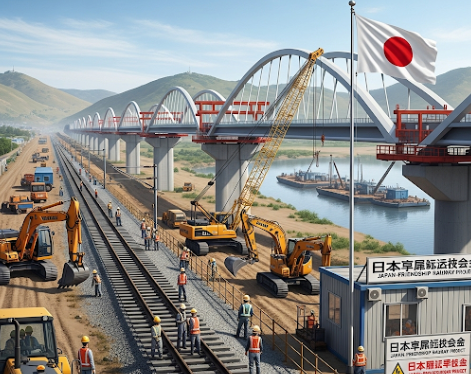
Technology Deployed in Overseas Commissions
インド新幹線事業に見る多角的発展/Multifaceted Development Seen in the Indian Bullet Train Project
現在、インドのムンバイとアーメダバード間では、日本の新幹線事業が展開されています。この大規模なインフラプロジェクトは、インドの経済発展を主たる目的としています。新幹線建設には多くの労働力が必要であり、雇用が創出されることで経済が活性化します。さらに、関連するインフラ整備も不可欠です。
Currently, Japan’s Shinkansen project is underway between Mumbai and Ahmedabad in India. This large-scale infrastructure project primarily aims to promote India’s economic development. The construction of the Shinkansen requires a large workforce, and the creation of jobs will stimulate the economy. Furthermore, related infrastructure development is also essential.
新幹線事業は、単なる交通インフラの構築に留まりません。この事業を担う若者の育成が必須となるため、技術養成学校が設立されます。インド全土から集まる若者たちが高度な技術を習得することで、国の産業基盤が強化され、さらなる経済発展に繋がるでしょう。また、多くのインド人労働者の健康管理や傷病に対応するためには、医療施設の整備も不可欠です。これに伴い、医師や看護師、その他専門職の人材が求められ、新たな雇用と経済循環が生まれます。
The Shinkansen project is not just about building transportation infrastructure. It is essential to train young people to undertake this project, so a technical training school will be established. By acquiring advanced skills, young people from all over India will strengthen the country’s industrial base, leading to further economic development. Furthermore, in order to manage the health and treat injuries and illnesses of many Indian workers, the development of medical facilities is also indispensable. Along with this, doctors, nurses, and other professionals will be needed, creating new employment and economic circulation.
インフラが整い人々が集まると、さらに多くのサービス業が展開されます。飲食、娯楽や物流、さらに行政や金融なども充実して、徐々に都市機能が形作られていきます。このように、日本の新幹線事業は、まるで心臓のように機能し、それを中心に多くの付加価値ビジネスが誕生しています。結果として、インドの発展に大きく寄与しているのです。
With infrastructure in place and people gathering, even more service industries will develop. Food and beverage, entertainment, logistics, and even administration and finance will be enhanced, gradually shaping urban functions. In this way, Japan’s Shinkansen project functions like a heart, with many value-added businesses being born around it. As a result, it is making a significant contribution to India’s development.
世界基準となる日本の「道の文化」/Japan’s “culture of the way” that will become the world standard
実際に、世界中でこのような日本企業の活躍が見られます。残念ながら、日本のマスメディアではこうした側面が十分に報道されることは少ないですが、現地では大きな話題となり、日本人に対する信頼と敬意は高まる一方です。
In reality, we see these kinds of successes from Japanese companies all over the world. Unfortunately, these aspects are rarely reported adequately in Japanese mass media, but they become major topics locally, and trust and respect for the Japanese people only continue to grow.
日本製の商品や工業製品の品質に対する信頼はもちろんのこと、高度な技術を提供するインフラ事業なども、日本への信頼をより一層深めています。製造業だけでなく、技術移転や制度設計など、多岐にわたる分野で日本の基準が世界的に認められつつあります。
The trust in the quality of Japanese products and industrial goods is a given, and infrastructure projects that provide advanced technology further deepen the trust in Japan. Not only in manufacturing but also in a wide range of fields such as technology transfer and institutional design, Japanese standards are increasingly being recognized worldwide.
近年では、AI技術の倫理的基準やクラウドサービスの適正化基準、さらには海運などの運行に関する基準など、多くの分野で日本の基準が国際的な標準となりつつあります。日本人が生み出すものの背景には、責任感、倫理観、そして哲学といった目に見えない「道の文化」が存在します。この「道の文化」こそが、製造物に対する責任を全うし、世界の発展に貢献する日本の真髄なのです。
In recent years, Japanese standards have been increasingly becoming international standards in many fields, such as ethical standards for AI technology, optimization standards for cloud services, and even standards for maritime and other transportation operations. Behind the things that Japanese people create is an invisible “culture of the Way,” encompassing a sense of responsibility, ethics, and philosophy. This “culture of the Way” is the essence of Japan, fulfilling responsibility for its products and contributing to the development of the world.
新たな力は「信頼と責任」/The new power is “trust and responsibility”.

世界をパワーバランスという視点から見ると、米国、中国、EU、そしてロシアが夫々の覇権をめぐって争っているようです。これらの国や地域は、軍事力、経済力、そして影響力を駆使して徐々に消耗し疲弊しつつある。つまりこれらの国々は弱体化しつつあり、その影響力も衰えつつあるのです。そんな中、日本は声高に叫ぶこともせず、派手なパフォーマンスも見せず、静かに着々と「我が道」を歩んできました。
Looking at the world from the perspective of the balance of power, it seems that the United States, China, the EU, and Russia are vying for their respective hegemony. These countries and regions are gradually being depleted and exhausted by wielding military power, economic power, and influence. In other words, these countries are weakening, and their influence is declining. Meanwhile, Japan has been quietly and steadily following “its own way” without shouting loudly or putting on flashy performances.
もちろん日本人に、世界の覇権を握ろうという野心など微塵もありません。しかし、ある時点で世界が気付いてみると、文化を含む日常生活の多くのものが日本基準になっているかも知れません。二十世紀は「軍事力」が物を云う時代でした。今世紀に入って「経済力」が世界を牛耳る力となりました。そして二十一世紀も四分の一が過ぎて、新たな世紀の下準備ができました。新たな世紀の世界共通の価値観(力)は「信頼と責任」になると思われます。
Of course, the Japanese have not the slightest ambition to seize world hegemony. However, at some point, the world may realize that many aspects of daily life, including culture, are based on Japanese standards. The 20th century was an era when “military power” held sway. In this century, “economic power” has become the force that dominates the world. And a quarter of the 21st century has passed, and preparations have been made for a new century. The common values (power) of the new century are likely to be “trust and responsibility.”