新渡戸稲造が執筆した『武士道』には、広く知られている英語版と、それに先んじて書かれた日本語版の、二つのバージョンが存在します。
Inazo Nitobe’s “Bushido” exists in two versions: a widely known English version and a Japanese version written before it.
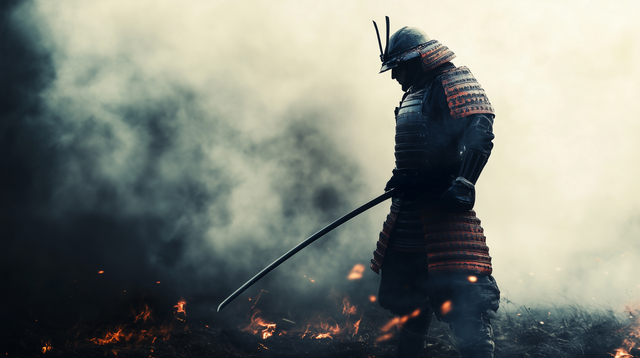
英語版(Bushido: The Soul of Japan): 1899年にアメリカで出版され、欧米で広く読まれました。これは日本の武士道精神を、キリスト教や西洋の哲学・倫理と比較しながら、外国人に理解しやすいように解説したものです。新渡戸が武士道について語る際、彼は日本の歴史や文化背景を知らない読者を念頭に置いていたため、西洋的な価値観との共通点を探りながら、日本の精神性を紹介しました。この著作は、当時の日本に対する国際的な評価を高める上で大きな役割を果たしました。
Bushido: The Soul of Japan was published in the United States in 1899 and became widely read in Europe and America. It explains the spirit of Japanese Bushido in a way that is easy for foreigners to understand, comparing it with Christianity and Western philosophy and ethics. When Nitobe discussed Bushido, he kept in mind readers who were unfamiliar with Japanese history and cultural background, and introduced Japanese spirituality while exploring common ground with Western values. This work played a significant role in enhancing the international reputation of Japan at the time.
日本語版(『武士道』): 英語版の成功を受けて、新渡戸自身が日本語に翻訳したものではなく、複数の異なる日本語版が存在します。代表的なものに、桜井鴎村による翻訳や、新渡戸自身による修正版があります。日本語版は、日本人が自国の精神性や価値観を再認識するために書かれたもので、英語版とは内容や構成が若干異なります。
Regarding the Japanese version of “Bushido”: Following the success of the English version, there isn’t a single Japanese translation by Nitobe himself, but rather multiple different Japanese versions. Notable examples include the translation by Omura Sakurai and a revised version by Nitobe himself. The Japanese version was written for Japanese people to rediscover their own spirituality and values, and its content and structure differ slightly from the English version.
GHQによる文献販売禁止/GHQ bans sale of literature
第二次世界大戦後、日本を占領したGHQ(連合国軍最高司令官総司令部)は、日本の軍国主義や国家主義の思想的基盤を解体しようとしました。この一環として、武士道に関する多くの文献が「軍国主義を助長する危険な思想」と見なされ、販売・出版が禁止されました。
After World War II, the GHQ (General Headquarters of the Allied Powers), which occupied Japan, sought to dismantle the ideological foundations of Japanese militarism and nationalism. As part of this effort, many documents related to Bushido were deemed “dangerous ideas that promote militarism,” and their sale and publication were prohibited.
GHQが特に警戒したのは、武士道が教える自己犠牲、死を恐れない精神、そして主君(国家)への絶対的な忠誠心です。これらの思想が、太平洋戦争における日本の兵士たちの命がけの抵抗や特攻隊の行動につながったとGHQは考えました。彼らの目には、こうした行動が合理性を欠くものと映り、再び同様の精神が台頭することを阻止するため、関連文献の封鎖に踏み切ったのです。
GHQ was particularly wary of the self-sacrifice, the fearless attitude towards death, and the absolute loyalty to one’s lord (nation) taught by Bushido. GHQ believed that these ideas led to the desperate resistance of Japanese soldiers and the actions of kamikaze pilots during the Pacific War. In their eyes, these actions seemed irrational, and they decided to block related literature in order to prevent the resurgence of similar spirit.
武士の育成と精神性/Warrior Training and Spirituality
武士階級の子どもたちは、幼い頃から刀剣の扱い方を体系的に教えられました。遊びで使う木刀のような模擬刀も存在しましたが、外出時には実際に刀(主に脇差)を携帯する習慣がありました。15歳で元服を迎え、法的に成人として認められると、正式に真剣と独立した行動権限が与えられました。これは、彼らにとって名誉と自覚を促す大きな節目でした。真剣を持つことは、自制心と責任感を育む要因となりました。
Children of the samurai class were systematically taught how to handle swords from a young age. While mock swords such as wooden swords were used for play, there was a custom of carrying an actual sword (mainly a short sword) when going out. Upon reaching adulthood at the age of 15 with the coming-of-age ceremony (Genpuku), they were legally recognized as adults and formally given a real sword and the authority to act independently. This was a major milestone that fostered honor and awareness in them. Possessing a real sword became a factor in cultivating self-control and a sense of responsibility.
また、武士階級の子どもたちは、日常的に切腹について話すことがあり、真剣を所有することは、死に直面する心構えを求められることでもありました。これは「剣は天国と地獄の鍵なり」という格言に象徴されるように、武士道における生と死の覚悟を示しています。つまり、武士道とは、剣の持つ力によって人生の選択と責任を負う、精神的かつ倫理的な規範だったのです。
Additionally, samurai children would often talk about seppuku on a daily basis, and owning a real sword also meant being prepared to face death. This is symbolized by the saying, “The sword is the key to heaven and hell,” which illustrates the samurai’s readiness for life and death in Bushido. In other words, Bushido was a spiritual and ethical code in which one bore the choices and responsibilities of life through the power of the sword.
刀鍛冶と武士道の神聖さ/The Sacredness of Swordsmithing and Bushido
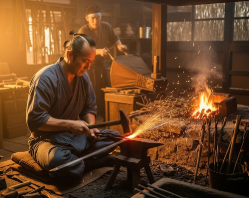
刀鍛冶は、単なる職人ではなく、霊的な存在として捉えられていました。彼らの工房は神聖な場所であり、世間から尊敬されていました。仕事に取り掛かる前には身を清め、神に祈りを捧げていました。刀鍛冶の仕事は日本の文化において神聖視されており、武士の精神的象徴である刀剣の製作を担っていたのです。当時のことわざ「その心魂を鍛える太刀の中に投じて黒鉄を鍛える」は、刀鍛冶の精神性と武士の魂が一体であることを示しています。
Swordsmiths were regarded not merely as craftsmen, but as spiritual beings. Their workshops were sacred places, and they were respected by the public. Before starting work, they purified themselves and offered prayers to the gods. The work of a swordsmith was considered sacred in Japanese culture, as they were responsible for crafting swords, which were the spiritual symbol of the samurai. The saying at the time, “Throw your heart and soul into the sword being forged, and temper the black metal,” shows that the swordsmith’s spirit and the samurai’s soul were one.
結論/Conclusion.
刀剣に関連する神聖視の思想は、西欧合理主義的観点からは把握が困難な文化的要素でした。このため、連合国軍総司令部(GHQ)は、武士道が包含するこれらの側面全般を日本の軍国主義との関連性に注目し、警戒姿勢を示したのです。
The idea of sacralization related to swords was a cultural element difficult to grasp from a Western rationalistic point of view. For this reason, the General Headquarters of the Allied Forces (GHQ) focused on the connection between these aspects included in Bushido and Japanese militarism, and showed a cautious attitude.
武士階級の生活様式および精神性を詳細に論じた諸文献は、西欧圏における価値観や思想体系との乖離ゆえ、容易には理解されず、しばしば極端なイデオロギーとして受容された可能性が高いと考えられます。戦時中の多くの日本人が武士道的思想を持っていたことは明らかです。GHQが当時の日本人を恐れ、二度と武士道精神が復活してはならないと考えたのも、このような背景を考慮すれば理解できます。
Documents detailing the lifestyle and spirituality of the samurai class are not easily understood due to their divergence from Western values and ideologies, and it is highly likely that they were often received as extreme ideologies. It is clear that many Japanese people during the war held samurai-like ideas. Considering this background, it is understandable that the GHQ feared the Japanese people of that time and thought that the spirit of Bushido must never be revived.