日本文化は世界的に関心を集めています。また、日本の工業製品は高い信頼性と独自性が評価されています。近年では、日本が将来、国際社会において重要な役割を担う可能性について言及されることがあります。これは、日本人の資源観や人的・非物質的資源の重視に基づくものと考えられます。
Japanese culture is attracting worldwide interest. In addition, Japanese industrial products are highly regarded for their reliability and originality. In recent years, there has been mention of the possibility that Japan will play an important role in the international community in the future. This is thought to be based on the Japanese people’s view of resources and their emphasis on human and non-material resources.
「覇権国家」の定義からの脱却/Breaking away from the definition of “hegemon.”
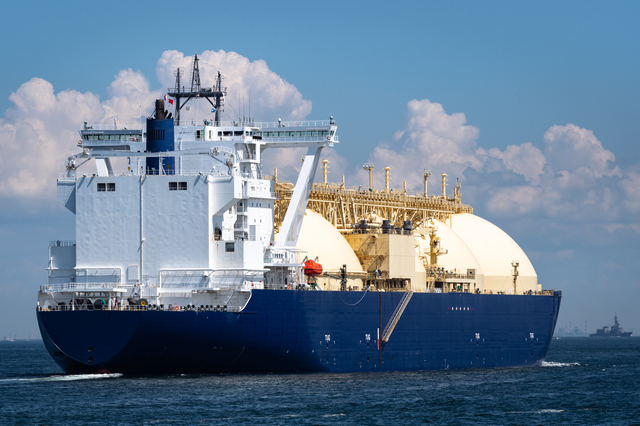
従来の覇権国家は、「広範な領土と豊富な天然資源」によって特徴づけられてきました。しかし、世界の資源が将来的に枯渇する可能性が指摘されており、これに伴い「歴史的な覇権国家の定義も変化する可能性がある」とされています。
Traditional hegemonic states have been characterized by “vast territories and abundant natural resources.” However, it has been pointed out that global resources may be depleted in the future, and it is believed that “the definition of historical hegemonic states may change accordingly.”
日本は資源小国という構造的課題を有しているものの、そのために資源外交の強化、代替エネルギー技術の開発、リサイクル技術の高度化など、多面的かつ戦略的な方策を展開しています。これらの政策は、資源枯渇時代における持続可能性の指標となり得ます。日本は資源制約の克服に関し、他国に比して顕著な先進的取り組みを行ってきたと評価できます。
Despite having the structural challenge of being a resource-poor country, Japan has been developing multifaceted and strategic measures, such as strengthening resource diplomacy, developing alternative energy technologies, and advancing recycling technologies. These policies can serve as indicators of sustainability in an era of resource depletion. It can be said that Japan has made remarkable and advanced efforts to overcome resource constraints compared to other countries.
日本独自の資源観/Japan’s unique view of resources
日本社会の独自の資源観、すなわち「資源は枯渇するものではなく、蓄積可能なものである」という理念が、世界の中心になるための最も重要な基盤となります。
Japan’s unique view of resources—the idea that resources are not something that will be depleted but rather something that can be accumulated—will be the most important foundation for becoming the center of the world.
日本では人材育成に力を注いできました。日本が従来から認識してきた「人材は最大の資源である」という考え方は、次の3つの要素を最も重要な資源として位置づけています。1.知性(Intelligence)2.教育(Education)3.信頼(Trust)。これらの資源は、物理的な天然資源とは異なり、利用しても減ることがなく、むしろ相互作用や継続的な蓄積によって価値が増していくという特性を持ちます。
In Japan, we have focused on human resource development. Japan’s traditional concept that “human resources are the greatest asset” identifies the following three elements as the most important resources: 1. Intelligence 2. Education 3. Trust. Unlike physical natural resources, these resources do not diminish with use; rather, their value increases through interaction and continuous accumulation.
このような資源観にもとづき、日本は「知性・教育・信頼」を相互に高め合う社会基盤の構築に注力してきました。個々人の知的成長や教育の深化は、社会全体の知識体系やスキルの蓄積として反映され、さらに信頼関係の醸成を通じて、協働やイノベーションが促進されます。これら非物質的資源の強化は、外的な資源獲得競争に左右されない持続的成長を可能とし、日本が国際社会において独自の価値を発信し続ける基盤となっています。
Based on this view of resources, Japan has focused on building a social infrastructure that mutually enhances “intelligence, education, and trust.” The intellectual growth and educational development of individuals are reflected as the accumulation of knowledge systems and skills for society as a whole, and furthermore, collaboration and innovation are promoted through the fostering of trust. Strengthening these non-material resources enables sustainable growth that is not influenced by external resource acquisition competition, and serves as the foundation for Japan to continue to disseminate its unique values in the international community.
「資源の争奪」からの解放/Liberation from the scramble for resources
日本人の資源に対する考え方には、国際的な資源の争奪が想定されていません。これは、将来的な資源争奪の激化が予想される世界において、対立構造から距離を置いた、平和的かつ持続的な発展モデルを提示できる可能性を意味します。
The Japanese way of thinking about resources does not assume international competition for resources. In a world where future resource competition is expected to intensify, this means that Japan can present a peaceful and sustainable development model that distances itself from confrontational structures.
「知性・教育・信頼」といった非物質的な資源を基盤とする国は、物理的資源に依存する国よりも地政学的リスクや資源の需給変動の影響を受けにくい、強靭な経済・社会構造を構築できる可能性があります。
A nation founded on intangible resources such as intellect, education, and trust can build a more resilient economic and social structure than a nation dependent on physical resources, making it less vulnerable to geopolitical risks and fluctuations in resource supply and demand.
日本が世界の中心となる可能性/The possibility of Japan becoming the center of the world
資源枯渇時代が本格化し、環境問題への対応が不可避となる中で、日本が構築する「知性・教育・信頼」を基盤とし、資源の争奪を想定しない、蓄積型の発展モデルは、世界が直面する課題を解決するための新たな指針や規範となる可能性があります。
As the era of resource depletion intensifies and addressing environmental issues becomes unavoidable, Japan’s accumulation-based development model, built on a foundation of “intelligence, education, and trust” and not predicated on resource争奪, has the potential to become a new guideline or standard for resolving the challenges facing the world.
物理的な強大さではなく、持続可能性、技術力、高い倫理観、そして国際社会の「信頼」を核とした新しい型のリーダーシップを発揮することで、日本は世界経済や社会の中心的な地位、すなわち「知恵と持続可能性の中心地」としての役割を担うことができるでしょう。
By demonstrating a new type of leadership centered on sustainability, technological prowess, a strong ethical code, and the “trust” of the international community, rather than physical strength, Japan will be able to assume a central position in the global economy and society, namely the role of a “center of wisdom and sustainability.”