国際比較プロジェクトから見えた真実/The truth seen from the international comparison project
1999年に始まった米ハーバード大学の「国際教育比較プロジェクト」で、日本の子供たちの優秀性はすでに明らかになっていました。この研究は、日本の子供たちが学習能力、問題解決能力、認知能力、社会適応能力、創造性、そして人間関係を築く能力において、他の先進国の子供たちを大きく上回っていることを証明したのです。
The “International Education Comparison Project” at Harvard University in the US, which began in 1999, had already revealed the excellence of Japanese children. This study proved that Japanese children significantly outperformed children in other developed countries in terms of learning ability, problem-solving skills, cognitive ability, social adaptability, creativity, and the ability to build relationships.
しかし、この事実は長らく公表されることはありませんでした。米国が世界に輸出する教育システムや教材は、年間数兆円規模の巨大ビジネスです。もし日本の教育が世界基準となれば、このビジネスモデルが根底から覆されてしまうため、研究結果は長い間封印されていたのです。
However, this fact was not made public for a long time. The education system and materials that the United States exports to the world is a huge business worth trillions of yen annually. If Japanese education were to become the global standard, this business model would be overturned from the foundation, so the research results were sealed for a long time.
日本の母親の教育法/Japanese mothers’ education methods
この研究を通じて、日本の母親たちが、欧米の高度な教育理論を無意識のうちに実践していることが発見されました。日本の子供たちの優れた能力の秘密は、まさにこの母親たちの伝統的な子育ての中にあったのです。長年の研究を経て、欧米の研究者たちは日本の母親たちの教育法こそが理想的な教育論であるという結論に至りました。
However, this fact was not made public for a long time. The education systems and materials that the United States exports to the world represent a massive business worth trillions of yen annually. If Japanese education were to become the global standard, this business model would be fundamentally overturned, so the research results were sealed away for many years.
この研究で特に注目されたのが、以下の点です。
The following points were particularly noteworthy in this study.
<情緒的知性(EQ)>—他人の感情を理解し、適切に対応する能力は、現代社会で最も重要視されています。日本の子供たちはこの能力において、米国の子供たちの2倍の数値を示しました。
<Emotional intelligence (EQ)>— – the ability to understand and respond appropriately to the feelings of others – is considered most important in modern society. Japanese children scored twice as high as American children in this ability.
<創造的問題解決能力>—-この能力においても日本の子供たちは非常に優秀で、「個人主義的な教育の方が優れている」という従来の価値観を覆しました。一般的に協調性と独創性は相反するものと考えられてきましたが、日本ではこの二つが両立することが証明されたのです。
<Creative problem-solving skills>— – In this area as well, Japanese children are very capable, overturning the conventional wisdom that “individualistic education is better for creativity.” Generally, cooperation and originality have been considered contradictory, but Japan has proven that these two can coexist.
<前頭葉を鍛える>—欧米では子供の要求を可能な限り満たそうとしますが、日本の母親は子供に「待つこと」、「我慢すること」を教えます。「ちょっと待ってね」、「もう少し我慢してね」といった言葉が、子供の「前頭葉」を鍛えるのです。前頭葉を鍛えることで、子供は衝動や感情をコントロールし、将来を見据えた行動をとる能力を育みます。前頭葉が鍛えられた子供は、学習能力、創造性、社会性のすべてにおいて優れた成果を示すことが分かりました。
<Training the Frontal Lobe>—- In Western countries, there’s a tendency to fulfill children’s requests as much as possible. However, Japanese mothers teach their children to “wait” and “be patient.” Phrases like “Wait a moment” and “Be patient a little longer” train the child’s frontal lobe. By training the frontal lobe, children develop the ability to control impulses and emotions, and to take actions with a view to the future. It has been found that children with well-trained frontal lobes show excellent results in learning ability, creativity, and social skills.
これらの能力は、遺伝的要因よりも環境的要因、特に家庭での子育て環境に強く依存していることが判明しました。米国で育った日系二世や三世の子供たちは、これらの能力を示しませんでした。一方で、日本で育った外国人の子供たちは、出身国や民族に関係なく、日本人の子供と同じ能力を身につけていたのです。
It has been found that these abilities are more strongly dependent on environmental factors than on genetic factors, especially on the home environment and parenting. Second- and third-generation Japanese-American children raised in the United States did not demonstrate these abilities. On the other hand, foreign children raised in Japan acquired the same abilities as Japanese children, regardless of their country of origin or ethnicity.
つまり、日本の子供たちの優秀性は血統や遺伝によるものではなく、「日本」という環境、そして特に日本の母親たちの、伝統的な子育て方法によって育まれていることが明らかになったのです。
In other words, it has become clear that the excellence of Japanese children is not due to lineage or genetics, but is fostered by the environment of “Japan,” and especially by the traditional childcare methods of Japanese mothers.
日本の母親は「察する力」を育てる/Japanese mothers foster the ability to “guess what others are thinking”.
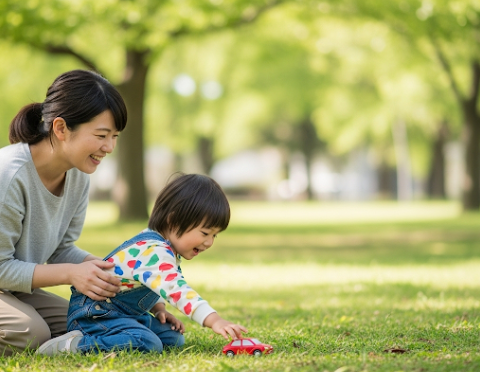
例えば、外国の母親は、疲れて帰ってきた時に「ママは疲れているから静かにしてね」と直接言葉で伝えます。そう言われた子供は「ママをそっとしておこう」と考え、母親から離れます。一方、日本の母親は、まず表情や仕草で疲労を表現し、子供がそれに気づくのを待ちます。そして、子供が母親の様子を察して気遣いの行動をとった時に「ありがとう」と感謝を伝えます。
For example, a foreign mother, when tired after coming home, directly says, “Mommy is tired, so please be quiet.” The child who is told this thinks, “I should leave Mommy alone,” and moves away from the mother. On the other hand, a Japanese mother first expresses her fatigue through facial expressions and gestures, waiting for the child to notice it. Then, when the child senses the mother’s condition and takes caring action, the mother expresses gratitude by saying, “Thank you.”
この母親の行動によって、日本の子供たちは相手の感情を読み取る能力が飛躍的に向上します。研究では、日本の6歳の子供が持つこの能力が、中学生の米国の子どもよりも高いことが実証されました。
This mother’s actions dramatically improve Japanese children’s ability to read others’ emotions. Studies have shown that this ability in Japanese 6-year-olds is higher than that of American middle school students.
このように、日本の子供たちは幼い頃から「みんなはどう思っているかな?」「今は何をする時間かな?」と常に自問自答しています。その結果、「空気を読む」「以心伝心」といった能力が育まれるのです。「空気を読む」「以心伝心」とは日本以外の国には存在しない概念です。ミステリアスな日本人の正体。それは日本の母親の子育ての中にあったと、この研究では結論付けています。
In this way, Japanese children are constantly asking themselves from a young age, “What does everyone think?” and “What time is it for now?” As a result, they develop abilities such as “reading the air” and “telepathy.” “Reading the air” and “telepathy” are concepts that do not exist in countries other than Japan. The identity of the mysterious Japanese people. This research concludes that it lies in the child-rearing practices of Japanese mothers.